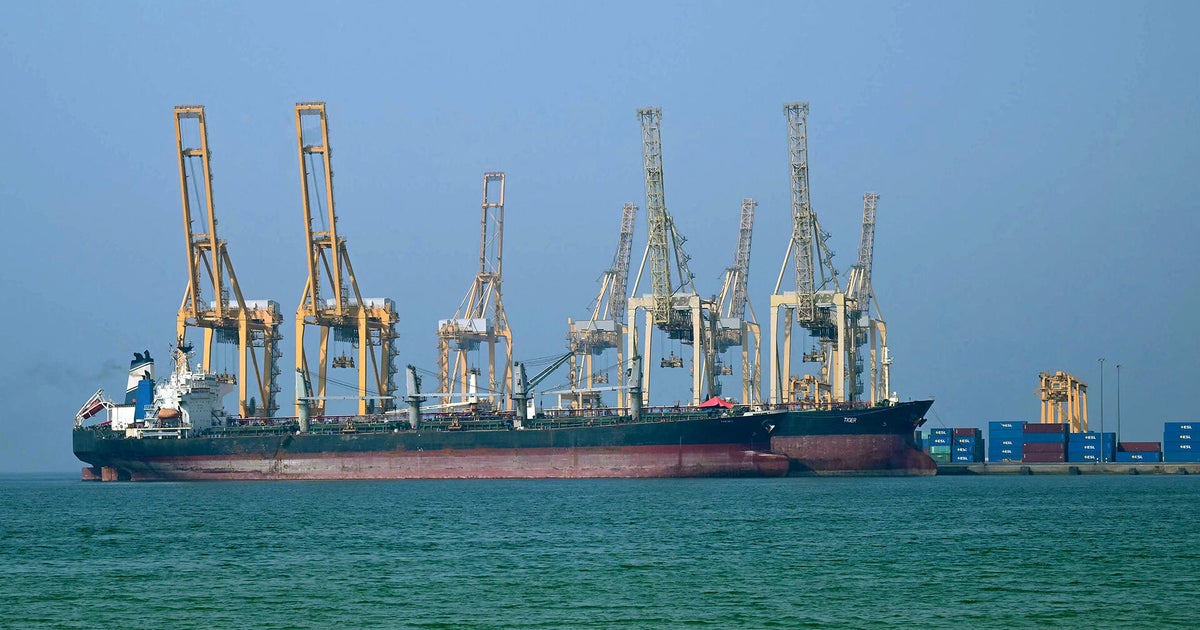
The world is rediscovering the brutal math of the Strait of Hormuz. As Brent crude surges toward the triple-digit mark, currently hovering at a 7% premium following targeted attacks on shipping vessels, the global economy is staring down a supply-side nightmare that no amount of diplomatic posturing can mask. This is not just a localized spike in energy costs. It is a fundamental breakdown of the security guarantees that have underpinned the global oil trade since the 1970s.
When tankers burn in the 21-mile-wide stretch between Oman and Iran, the market stops looking at inventory data and starts calculating the cost of a total blockade. Roughly one-fifth of the world’s daily oil consumption passes through this single chokepoint. The immediate leap to nearly $100 per barrel reflects a "fear premium" that hasn't been this palpable in years. While the International Energy Agency (IEA) has moved to calm the nerves of traders by signaling a release from strategic petroleum reserves, the move feels more like a sedative than a cure. You cannot solve a physical access problem with a financial liquidity tool.
The Strategic Reserve Illusion
The IEA’s decision to tap into emergency stockpiles is a standard play from an old playbook. It is designed to signal to the market that there is plenty of oil to go around. However, this strategy suffers from a glaring flaw in the current context. Strategic reserves are finite. They are meant to bridge the gap during temporary disruptions, not to serve as a permanent substitute for the 20 million barrels that transit Hormuz every day.
The math simply doesn't add up for a prolonged conflict. If the Strait remains a kinetic zone, the rate of reserve depletion will quickly become the new metric of market panic. Traders are already looking past the IEA's press releases. They see a global supply chain that is already stretched thin by underinvestment in new production and geopolitical shifts that have made traditional "swing producers" less willing to bail out Western consumers.
Beyond the Surface of the Attacks
To understand why $100 oil is suddenly a reality, you have to look at the sophistication of the maritime interference. These are not random acts of piracy. The precision of the strikes suggests a calculated effort to drive up insurance premiums and freight rates to the point where shipping becomes economically unviable for certain routes.
When a tanker is hit, the cost of the oil inside it is only one part of the equation. War-risk insurance surcharges can quintuple overnight. Shipowners begin to refuse charters in the region, effectively creating a "shadow blockade" where the oil is technically available but physically unmovable. This is the "how" of the current crisis. It is a war of attrition fought through Lloyd’s of London as much as through naval maneuvers.
The Fragile Resilience of Modern Supply Chains
We have spent decades building a global energy system that prioritizes efficiency and "just-in-time" delivery. This lean approach is excellent for corporate margins when the world is at peace. It is a liability when the world is at war.
The current 7% jump in Brent prices is a symptom of a system with no slack. Because refineries operate on razor-thin schedules, even a three-day delay in a tanker's arrival can cause localized fuel shortages and price spikes at the pump. The IEA’s reserve release might put barrels into the system, but those barrels aren't always in the right place or of the right grade. You cannot easily swap heavy sour crude from the Middle East for light sweet crude from a North American salt cavern without causing refinery hiccups.
The Geopolitical Chessboard
This crisis is unfolding against a backdrop of shifting alliances. In previous decades, a spike toward $100 would have triggered an immediate production increase from OPEC leaders. Today, the coordination between major exporters is more complex. There is a growing sense among producing nations that high prices are a necessary correction for years of low returns.
The incentive to "fix" the price for Western consumers has evaporated. Instead, we see a strategic silence. If the Strait of Hormuz remains a flashpoint, the leverage shifts entirely to those who can control the flow or provide alternative routes. The problem? There are no true alternatives. Pipelines that bypass the Strait exist, but their capacity is a fraction of what the world needs.
The High Cost of Energy Security
For the average consumer, the $100 barrel is a tax on everything. It increases the cost of shipping food, manufacturing plastics, and heating homes. But for the analyst, the $100 barrel is an indictment of a failed energy policy that ignored the physical reality of chokepoints.
We have relied on the idea that the oceans would always be open and that "market forces" would naturally balance supply and demand. The smoke rising over the Gulf of Oman proves otherwise. Physical security is the prerequisite for any market to function. When that security vanishes, the price of the commodity becomes secondary to the price of the risk.
The Immediate Pressure Points
- Freight Rates: Watch the cost of hiring a Very Large Crude Carrier (VLCC). If these rates continue to climb alongside the price of oil, the inflationary pressure will be baked into the system for months.
- Refinery Margins: If the price of raw crude rises faster than the price of refined gasoline, refineries may cut back on production, leading to a "product squeeze" that hurts even more than the high oil price.
- The Insurance Escalator: Keep an eye on the "Listed Areas" defined by the Joint War Committee. Any expansion of these zones means higher costs for every ship in the region.
The Failure of the Paper Market
One of the most overlooked factors in this surge is the disconnect between "paper oil" (futures contracts) and "wet oil" (actual physical barrels). For weeks leading up to the attacks, the paper market was bearish, betting on a global economic slowdown to keep prices low. The attacks forced a violent "short squeeze" as traders rushed to cover their positions.
This technical volatility exacerbates the physical reality. It creates a feedback loop where the price jumps faster than the fundamentals would suggest, leading to a self-fulfilling prophecy of triple-digit crude. The IEA cannot intervene in the futures market; they can only move physical barrels. This mismatch ensures that volatility will remain high even if the shipping lanes are technically reopened.
The Redefinition of Risk
The world is moving into an era where "geopolitical risk" is no longer a footnote in an annual report. It is the primary driver of value. The $100 barrel isn't just a number; it’s a signal that the era of cheap, safe, and easy energy is over.
Governments will continue to talk about "energy transitions" and "long-term goals," but the immediate reality is a desperate scramble for physical security. The IEA's reserve release is a temporary bandage on a severed artery. Until the fundamental security of the Strait of Hormuz is restored—or until the world finds a way to function without the 20 million barrels that flow through it—the price of oil will remain a hostage to the next drone or limpet mine.
Check the shipping manifests, not the stock tickers, to see where the price goes next.