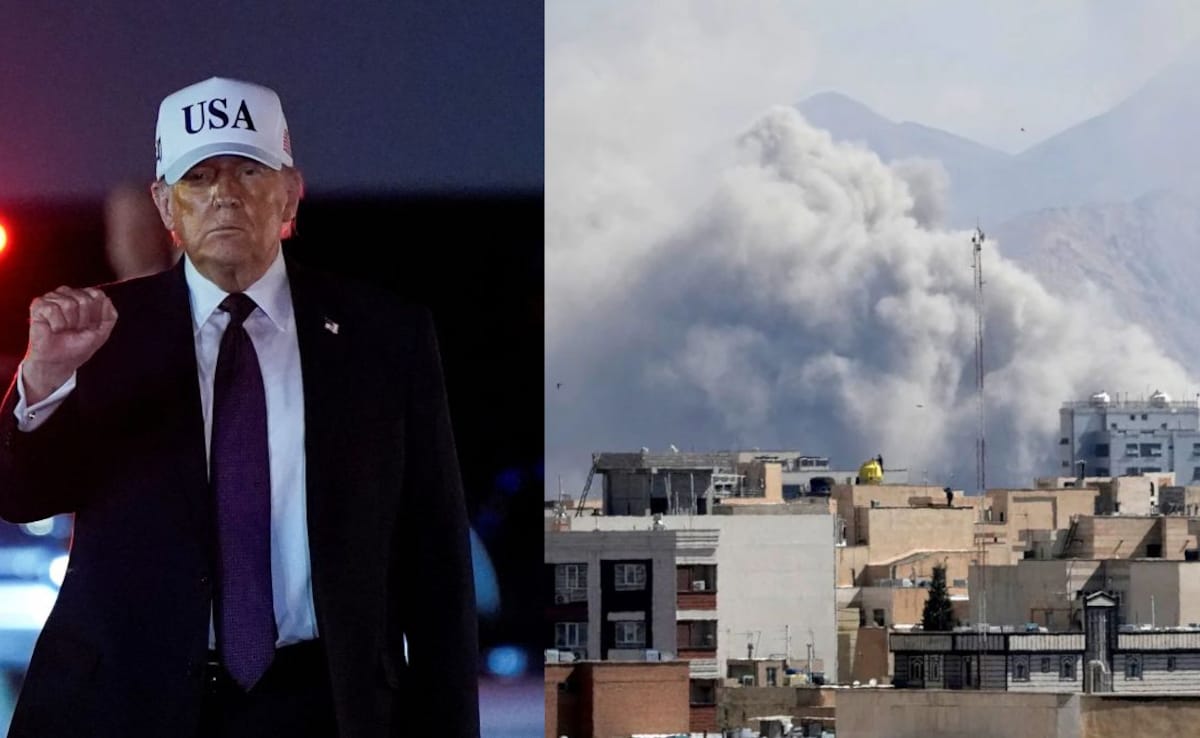
You've likely heard that the President can't just go to war forever without asking permission. There's a famous law from 1973 called the War Powers Resolution. It says the Commander-in-Chief has exactly 60 days to get Congressional approval once they send troops into "hostilities." If Congress doesn't say yes, the clock runs out and the troops have to come home. It sounds like a rock-solid check on executive power. It sounds like a hard deadline.
It isn't.
In reality, the 60-day clock is one of the most easily bypassed rules in American government. Presidents from both parties have spent decades finding ways to ignore it, redefine it, or simply wait it out. If you think a ticking clock is going to stop a modern military operation, you're looking at a version of the U.S. Constitution that hasn't existed since the Nixon era.
The definition of hostilities is a massive loophole
The biggest reason the 60-day deadline fails is a linguistic trick. The law triggers when the President introduces U.S. forces into "hostilities." But the law doesn't define what that word actually means. This leaves the door wide open for the White House to argue that whatever they're doing isn't technically a fight.
Take the 2011 intervention in Libya. The Obama administration blew right past the 60-day mark without asking Congress for a formal authorization. When critics pointed to the War Powers Resolution, the administration’s lawyers argued that U.S. forces weren't in "hostilities." They claimed that since American troops weren't on the ground and weren't being shot at, it didn't count. Even though U.S. drones and planes were dropping bombs and firing missiles, the legal team insisted the risk was too low to trigger the clock.
If the government can argue that dropping bombs doesn't equal "hostilities," the law is essentially a suggestion. It becomes a game of semantics. You can kill people from 30,000 feet and claim the clock hasn't even started.
Congress hates taking a stand
We love to blame the President for "usurping" power, but Congress is a willing partner in this. Taking a vote on a war is risky. If a Senator votes "yes" and the war turns into a disaster, they lose their job. If they vote "no" and the country gets attacked, they look weak.
The 60-day deadline is supposed to force their hand. Instead, it creates a convenient excuse for inaction. If the President ignores the deadline, Congress often just lets it happen. They might complain in press releases, but they rarely use their "power of the purse" to actually cut off funding. Money is the only real leverage they have. If they keep paying for the fuel, the bullets, and the salaries, the 60-day limit is just a piece of paper.
Usually, the House and Senate will bicker about a resolution that never actually reaches a floor vote. They prefer the "wait and see" approach. This allows them to criticize the President later if things go south without ever having their names attached to a specific "yes" or "no" on the war itself.
The clock resets too easily
Modern war doesn't always look like a massive invasion. It looks like "advise and assist" missions. It looks like special ops raids. It looks like drone strikes against shifting targets.
Presidents have mastered the art of the "short-term" deployment. If you send troops into a region for 50 days, pull them out for a week, and then send them back in, does the clock reset? Technically, the law doesn't say you can't do that. By cycling units or changing the specific "mission objective" every few months, the executive branch keeps the legal waters muddy enough to prevent a clear violation.
Why the courts won't save us
If you’re waiting for the Supreme Court to step in and enforce the 60-day limit, don't hold your breath. The judicial branch historically avoids these fights like the plague. They use something called the "political question doctrine."
Basically, the courts argue that disputes over war powers are between the President and Congress. Unless there's a total breakdown where Congress passes a law saying "STOP" and the President says "NO," the judges won't get involved. Since Congress rarely passes a clean, veto-proof "STOP" order, the courts stay on the sidelines.
This creates a vacuum. Without a referee, the person with the most immediate power—the one who controls the actual military—wins by default.
Technological shifts made the law obsolete
When the War Powers Resolution was passed in 1973, war meant boots on the ground and ships in the water. Today, we have cyber warfare and long-distance precision strikes.
If a President authorizes a massive cyberattack that cripples another country's power grid, does that trigger the 60-day clock? There are no "troops" involved. There are just people in an office in Maryland hitting "enter." The law was written for a world of bayonets and telegrams. It’s completely unequipped for a world where you can ruin a nation without ever crossing a physical border.
The executive branch knows this. They use these "grey zone" operations specifically because they don't look like the kind of war the 1973 law was meant to stop.
The ghost of the AUMF
Another reason the 60-day deadline is a ghost is the 2001 Authorization for Use of Military Force (AUMF). This was passed right after 9/11 to go after Al-Qaeda.
Since then, multiple Presidents have used that single vote to justify operations in dozens of countries against groups that didn't even exist in 2001. When you have a standing authorization that's decades old, you don't need to worry about a 60-day clock. You just claim the new mission is "linked" to the old one. It’s a legal "get out of jail free" card that has basically swallowed the War Powers Resolution whole.
What actually happens when the clock runs out
Let's say a President actually hits day 61 and hasn't asked for permission. What's the penalty?
There isn't one.
The law doesn't have a built-in punishment. There are no fines. No one goes to jail. The only "consequence" is that the troops are supposed to leave. If the President just says "no," the only way to stop them is impeachment or a total funding cutoff. Both are nuclear options that Congress is terrified to use during an active military operation.
This makes the 60-day deadline a "soft" limit. It’s a PR hurdle, not a legal wall. A President just needs a good enough speech and a few clever lawyers to keep the engines running indefinitely.
How to track this in real time
If you want to see if the law is actually being followed, don't look at the news headlines. Look at the letters. Under the law, the President is supposed to notify Congress within 48 hours of starting hostilities.
Most of the time, these letters are vague. They'll say the President is acting under his "Article II authority" as Commander-in-Chief. This is code for "I’m doing this because I can, and I don't think I need your permission."
Pay attention to how the White House describes the mission. If they use words like "non-combat," "support," or "limited duration," they’re already laying the groundwork to ignore the 60-day clock. They’re telling you that the deadline doesn't apply to them.
Stop expecting the War Powers Resolution to be a shield. It’s a relic. If you want to see executive power checked, it's going to take a Congress that's willing to actually stop the checks from clearing. Until then, the clock is just a suggestion.
Follow the money instead of the calendar. Look for the next supplemental defense spending bill. That’s where the real "war powers" live. If the funding keeps flowing, the 60-day limit is nothing more than a footnote in a history book that no one in D.C. is reading anymore.



