The air inside the model unit smells like fresh cedar and ambition. It is a tight, efficient scent. Everything about the space is designed to convince you that "enough" is actually "plenty." The countertops are quartz. The floors are a trendy, light-colored laminate that mimics wide-plank oak. To a generation of people who have watched the dream of homeownership drift further into the fog of six-figure down payments and 7% interest rates, this $70,000 price tag feels less like a real estate listing and more like a rescue boat.
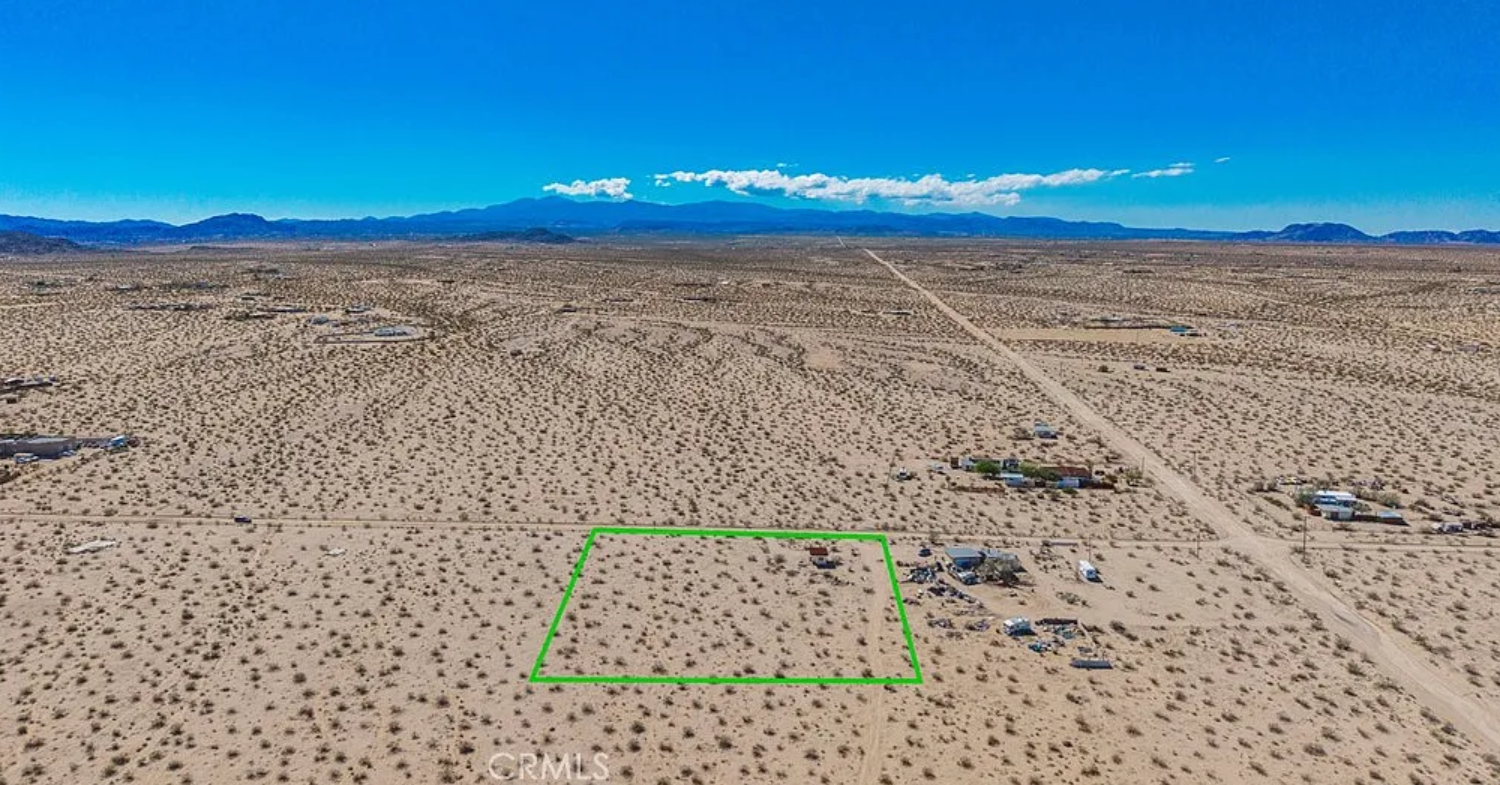
But boats require an anchor. And in the world of the ultra-cheap factory-built home, the anchor is the one thing the price tag doesn't cover: the dirt.
Consider Sarah. She is a thirty-four-year-old freelance graphic designer who has spent the last decade watching her rent eat 45% of her take-home pay. She sees an ad for a "plug-and-play" home. It is sleek. It is modern. It costs less than a well-equipped pickup truck. In her mind, she is already picking out the linen curtains for the floor-to-ceiling windows. She imagines the freedom of a life without a landlord.
The reality of these homes, however, is a complex dance between a movable asset and an immovable market. When you buy a home for $70,000, you aren't buying a piece of the American map. You are buying a high-end box.
The Concrete Disconnect
The $70,000 price is a siren song that conveniently leaves out the orchestra. Most of these units—whether they are "accessory dwelling units" (ADUs), tiny homes on wheels, or prefabricated modular pods—arrive on a flatbed truck. They are miracles of engineering, packed with clever storage and energy-efficient appliances. But once the truck pulls away, the buyer is often standing in a field of logistical landmines.
First comes the foundation. You cannot simply drop a seventy-thousand-dollar investment onto a patch of grass and hope for the best. To satisfy local building codes and ensure the structural integrity of the home, you need a slab or a pier system. That requires excavation. It requires permits. It requires a contractor who is willing to take on a small-scale job in a market where everyone is chasing luxury builds.
Then, there are the "wet" connections.
Sewage, water, and electricity do not appear by magic. If you are placing this home in a backyard, you are tapping into existing lines, which can cost anywhere from $5,000 to $15,000 depending on the distance and the local utility requirements. If you are putting it on a raw piece of land, you are looking at the soul-crushing expense of drilling a well and installing a septic system. Suddenly, that $70,000 "house" is a $110,000 project. And we haven't even talked about the land itself.
The Land Lease Trap
The most common "catch" mentioned in these cut-rate real estate deals involves the legal status of the ground beneath the floorboards. In many cases, these ultra-cheap homes are located in planned communities or "tiny home villages." On the surface, it looks like a neighborhood. Underneath, it is a commercial lease.
You own the walls. You own the roof. You own the stove. You do not own the coordinates.
This creates a precarious power dynamic. When you own both the house and the land, you have a stake in the community. When you own the house but rent the land, you are a "tenant-owner." If the owner of the land decides to sell to a developer who wants to build a shopping mall or a luxury high-rise, your $70,000 home becomes a $70,000 liability.
Moving a prefabricated home isn't like moving a suitcase. It is a violent, expensive process that can cost $10,000 or more. Many of these structures, despite their modern aesthetics, are not designed for repeated long-haul transport. Every time you move it, you risk structural racking, plumbing leaks, and window seals breaking. You are tethered to a landlord who knows exactly how much it would hurt you to leave.
The Myth of Appreciation
Traditional real estate is often described as a "wealth-building tool." This is a polite way of saying that houses usually get more expensive over time. But the $70,000 home often behaves more like a car than a colonial.
Because many of these units are classified as personal property (like an RV or a manufactured home) rather than real property (like a house on a permanent foundation), they depreciate. The moment you "drive" it off the lot and hook it up to a temporary utility pole, the value begins to slide.
Banks know this.
Trying to get a traditional thirty-year fixed-rate mortgage for a $70,000 modular unit is nearly impossible. Instead, buyers are forced into "chattel loans." These are shorter-term loans with significantly higher interest rates—often double or triple what you’d pay for a standard mortgage.
Sarah, our hypothetical designer, might find that her monthly payment for a $70,000 chattel loan is actually higher than a mortgage on a $200,000 traditional home. The lower barrier to entry hides a much steeper climb toward actual equity.
The Zoning Wall
There is a quiet war happening in the planning departments of suburban America. On one side are the innovators who see cheap, small homes as the only solution to the housing crisis. On the other side are the "Not In My Backyard" advocates who fear that $70,000 homes will lower their property values.
The "catch" is often hidden in the fine print of local ordinances. Many jurisdictions have minimum square footage requirements. Others mandate that any dwelling must be attached to a permanent foundation and meet specific aesthetic standards that these modern, boxy units simply don't match.
You might find the perfect $70,000 home, only to discover that it is illegal to live in it on any lot within fifty miles of your job. The dream of the "anywhere home" is stopped cold by a bureaucrat with a clipboard and a zoning map from 1974.
A New Definition of Home
So why do thousands of people still flock to these listings? Why do we click on the ads for the "Amazon Foldable House" or the "Eco-Pod"?
Because we are desperate for a sense of agency.
In a world where the average home price feels like a phone number, the idea of owning something outright—even something small, even something with a "catch"—is intoxicating. We are willing to overlook the lack of land ownership and the high interest rates because we want to stop asking for permission to paint the walls.
The $70,000 home isn't a scam. It's a compromise.
It represents a shift in how we view shelter. We are moving away from the idea of the "forever home" that grows in value and toward the idea of "housing as a service." It is a tool for a specific season of life—a way for a student to avoid debt, for an elderly parent to live near their children, or for a nomad to find a temporary base.
But the catch remains.
If you go into this thinking you’ve found a loophole in the laws of economics, you will be disappointed. The dirt always wins. You can build the most beautiful, efficient, affordable box in the world, but until we figure out where to put it—and who gets to keep the ground it stands on—the $70,000 home will remain a beautiful, movable dream that never quite touches the earth.
Sarah eventually closes the browser tab. She looks at the rent check sitting on her desk. She realizes that the "catch" isn't just about the land or the pipes or the zoning. The catch is the realization that in the modern economy, true security isn't something you can buy for the price of a mid-sized SUV.
She walks to her window and looks down at the street. A truck passes by, carrying a stack of lumber to a construction site for a building she will never be able to afford. She turns back to her kitchen, makes a cup of coffee, and listens to the silence of a space that belongs to someone else.