If you’ve pulled up to an Edmonton or Calgary gas station lately, you know the drill. You stare at the digital display as the numbers climb faster than a lifted truck on the Coquihalla. Gas prices have smashed through the $1.60 mark in March 2026, thanks to the mess in the Strait of Hormuz. It’s not just a "tough week" anymore. It’s a budget-breaker.
For decades, Alberta’s identity was tied to the internal combustion engine. We love our trucks. We love our road trips. But something is shifting. The old "oil is king" mentality is bumping up against the reality of a $150 fill-up. Albertans are looking at alternative travel not because they’ve suddenly gone soft, but because they’re smart with their money.
The death of the commuter's ego
People used to mock the idea of taking the bus in Calgary or Edmonton. It was seen as something you did only if your car was in the shop. That’s over. The "pride tax" of driving a 5.0L V8 to an office job downtown is getting too expensive to pay.
Calgary Transit ridership hit over 144 million in 2025. That’s not a fluke. It’s a survival strategy. When you factor in insurance, maintenance, and the skyrocketing cost of fuel, that $112 monthly pass starts looking like a genius move.
The trend isn't just about the LRT. We’re seeing a massive rise in "multi-modal" commuting. This is just a fancy way of saying people are parking their trucks at a suburban station and letting the train do the heavy lifting for the last 15 kilometers. It saves the brake pads, it saves the nerves, and most importantly, it keeps the gas needle from moving.
Why the e-bike is the new Alberta weekend warrior
If you told a Red Deer local five years ago that they’d be spending $4,000 on a bicycle, they’d have laughed you out of the room. Now? E-bikes are the fastest-growing vehicle segment in the province.
It’s easy to see why. An e-bike handles Alberta’s hills and headwinds without making you show up to work drenched in sweat. In 2025, the Canadian e-bike market grew by double digits, and Alberta’s urban centers are leading the charge.
- Distance is no longer the enemy. A 10km commute is nothing with a motor assisting you.
- Cargo bikes are replacing the second car. Families in neighborhoods like Edmonton's Strathcona are using long-tail e-bikes to haul groceries and kids.
- Zero fuel cost. Charging a bike costs pennies. Compare that to the $500 monthly fuel bill many households are currently facing.
The hurdle used to be the winter. But with better tire tech and more clear-path initiatives in the major cities, the "winter cyclist" isn't a rare breed anymore. It's just a person who doesn't want to scrape ice off a windshield for twenty minutes.
The hybrid surge over the EV hype
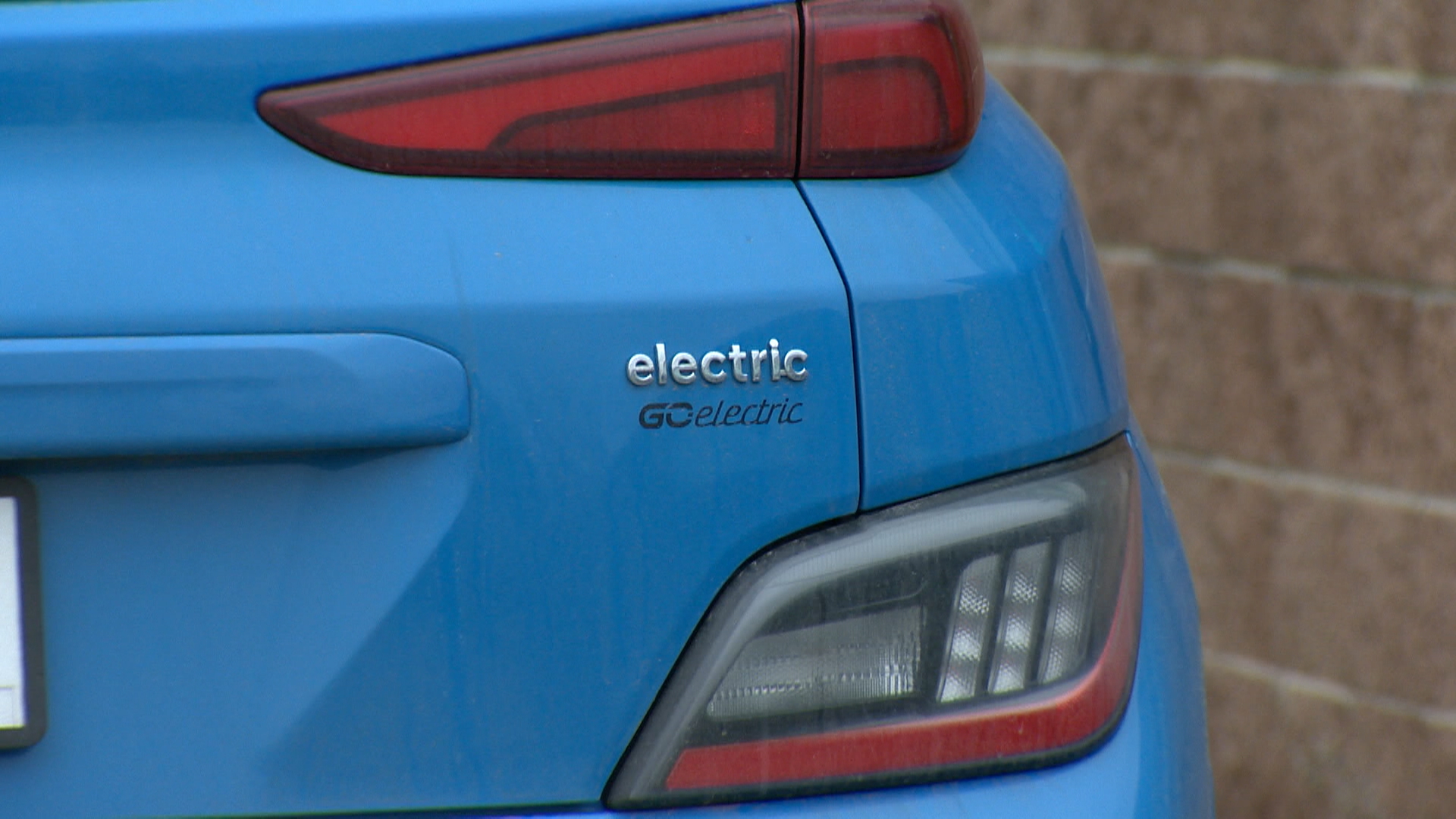
There's a lot of noise about Electric Vehicles (EVs). But if you look at the actual data from early 2026, Albertans aren't rushing to buy full-blown Teslas as fast as the headlines suggest. Instead, they’re flocking to hybrids.
According to S&P Global data, hybrids captured nearly 17% of the market share recently, dwarfing pure battery electrics. Albertans are pragmatic. We worry about charging in -30°C and we worry about range when driving to Fort McMurray. A hybrid offers the safety net of a gas tank with the efficiency of an electric motor.
It's the "Goldilocks" solution for the prairies. You get 4.5L/100km in the city, but you don't have to hunt for a functional Level 3 charger in the middle of a blizzard. It’s the perfect transition for a province that’s still figuring out its relationship with the grid.
The supply chain ripple you didn't see coming
High gas prices don't just stay at the pump. They're like a virus that infects everything else. University of Calgary economists have been sounding the alarm: when diesel goes up, your grocery bill goes up.
It costs more to move cattle. It costs more to ship grain. It costs more for the contractor to show up at your house to fix the roof. This "hidden" fuel cost is what’s really pushing Albertans toward alternative travel. If your grocery bill is up $200 a month, you have to find that money somewhere. Cutting out the solo drive to work is the easiest lever to pull.
How to actually make the switch without losing your mind
If you’re tired of being held hostage by global oil prices, don't just sell your car tomorrow. That’s a recipe for burnout. Start small and test the waters.
- Audit your "micro-trips." Half of our driving is for errands under 5km. These are the "cold starts" that kill your fuel economy. Use a bike or walk for these.
- Trial the transit. Pick one day a week—Tuesday or Wednesday—to take the bus or LRT. See how much work you can get done (or podcasts you can hear) when you aren't fighting traffic.
- Look at the "E-Option." If you're due for a new vehicle, stop looking at the displacement and start looking at the kilowatt-hours. Even a plug-in hybrid (PHEV) can handle most daily commutes without burning a drop of gas.
The era of cheap, easy driving in Alberta is hitting a wall. The conflict in the Middle East might settle, but the volatility isn't going away. Making the switch to alternative travel isn't about being an environmentalist; it’s about being an Albertan who refuses to let a gas pump dictate their bank balance.
Start by downloading your local transit app or visiting an e-bike shop for a test ride this weekend. You might find that life without the pump is actually a lot more liberating than you thought.