If you think the American military presence in Europe is a static relic of the Cold War, you haven't been paying attention to the headlines this week. As of May 2026, the chess pieces are moving. The Pentagon just announced it's pulling 5,000 troops out of Germany, a move sparked by a very public spat between President Trump and German Chancellor Friedrich Merz over the ongoing conflict in Iran. It's a reminder that while the U.S. remains the backbone of European security, that support isn't a blank check anymore.
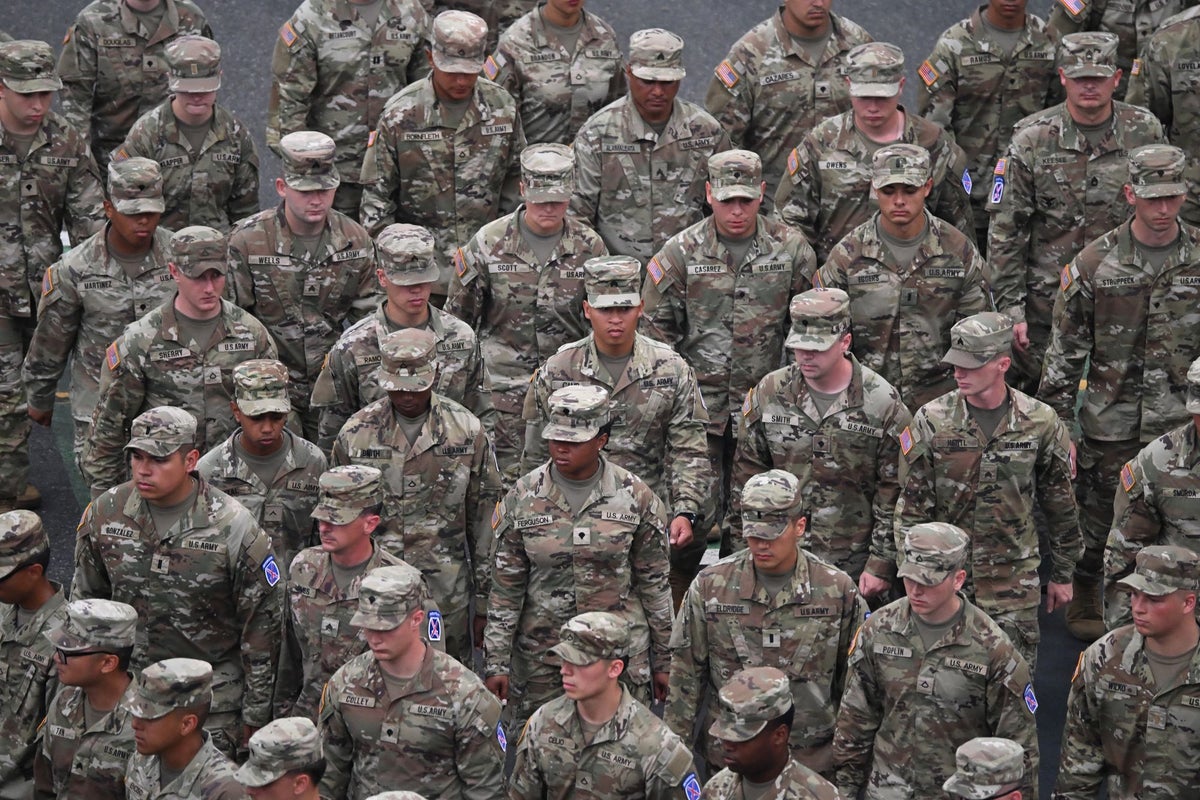
Right now, there are roughly 63,000 to 68,000 active-duty U.S. service members permanently stationed across the European continent. That number fluctuates when you factor in "rotational" forces—units that cycle in for six to nine months at a time—which can push the total closer to 100,000 during major exercises.
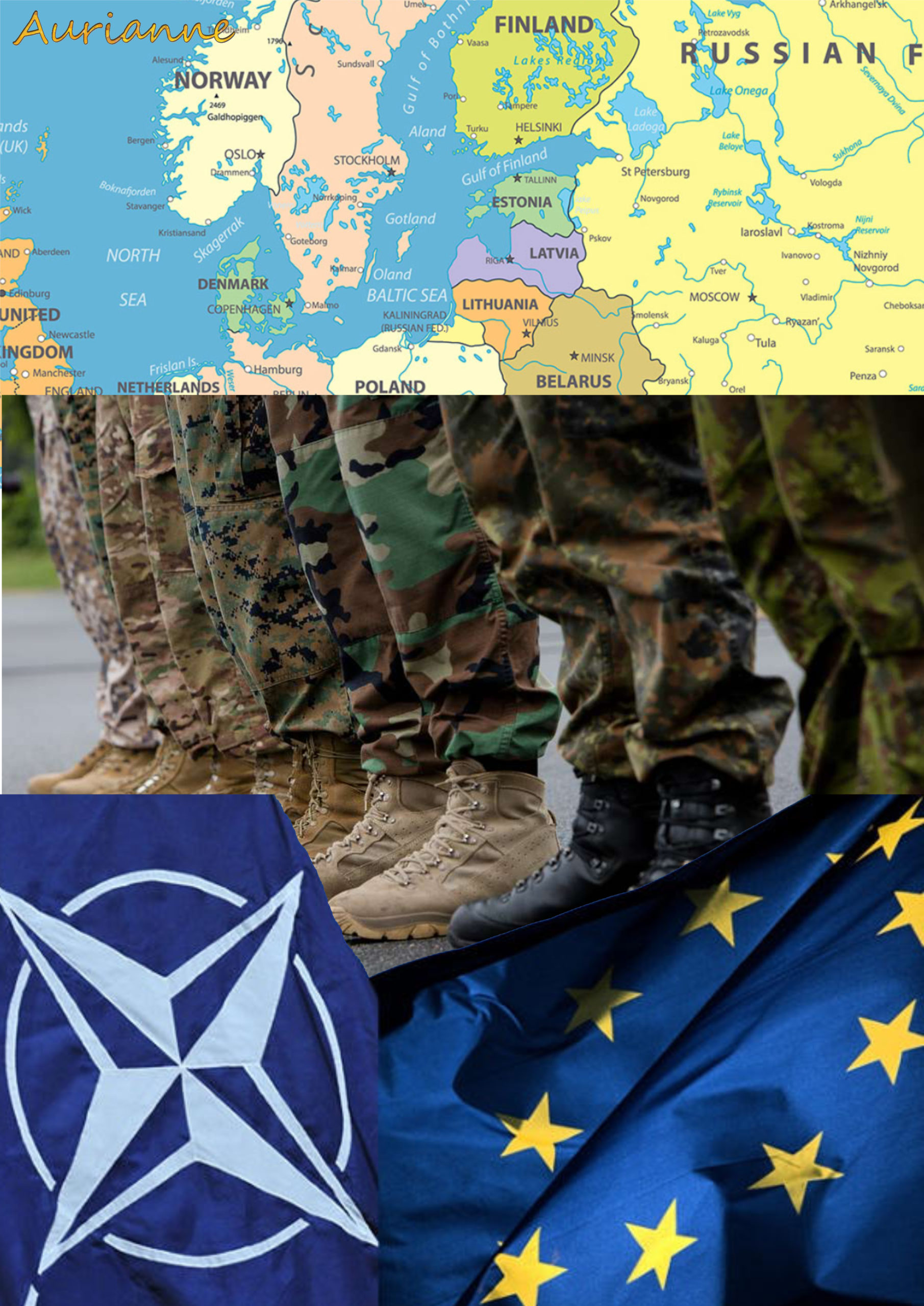
But the "where" matters just as much as the "how many." We're seeing a massive shift from the old West German heartland toward the eastern flank. While bases in the UK and Italy remain vital hubs, the real action is moving toward Poland and Romania.
The Big Three: Germany, Italy, and the UK
Even with the recent 5,000-troop drawdown, Germany is still the heavyweight champion of U.S. basing. It’s the logistics hub for everything the U.S. does in Europe, Africa, and the Middle East.
- Germany (Approx. 31,000-36,000 troops): The crown jewel is Ramstein Air Base. It's not just a runway; it’s a massive city-state that supports over 50,000 Americans when you count families and contractors. Then there’s Patch Barracks in Stuttgart, the headquarters for U.S. European Command (USEUCOM).
- Italy (Approx. 12,500 troops): Italy is the Navy’s playground. Naval Support Activity Naples is the nerve center for the Sixth Fleet, while Aviano Air Base keeps fighter jets ready for Mediterranean missions. If something goes wrong in North Africa or the Middle East, the response starts here.
- United Kingdom (Approx. 10,000 troops): The UK presence is almost entirely about airpower and intelligence. RAF Lakenheath and RAF Mildenhall host the latest F-35 stealth fighters. Honestly, the U.S. Air Force in the UK often has more advanced jets on British soil than the Royal Air Force itself.
The Shift to the East
The old strategy was about protecting the Rhine. The new strategy is about the Suwalki Gap. For years, Poland and the Baltic states have been begging for a permanent U.S. presence to deter Russia. They're finally getting it, though it looks different than the "Little Americas" built in Germany after WWII.
Poland: The New Front Line
Poland currently hosts about 10,000 personnel, but only a few hundred are "permanent." Most are rotational forces that never actually leave; they just swap patches every few months. Camp Kościuszko in Poznań is now the first permanent U.S. Army garrison on NATO’s eastern flank. It’s a clear signal: the U.S. isn't just visiting; it's staying.
Romania: The Black Sea Sentry
Romania’s Mihail Kogălniceanu Air Base (or MK to the troops) is undergoing a massive expansion. By the time it's finished, it could technically rival Ramstein in size. It’s the primary jumping-off point for operations in the Black Sea region, which has become a geopolitical tinderbox.
Why These Numbers Are Moving
It’s tempting to look at a troop withdrawal and assume the U.S. is "leaving" Europe. It isn't. But the math has changed.
The 2026 National Defense Authorization Act (NDAA) actually prevents the U.S. from dropping below 75,000 troops in Europe permanently without serious Congressional oversight. However, the current administration is using troop levels as a bargaining chip. When Chancellor Merz criticized American negotiations with Iran, the response from Washington wasn't a diplomatic cable—it was a troop reduction order.
You also have to look at the Indo-Pacific. The Pentagon is obsessed with China. Every soldier sitting in a quiet barracks in Bavaria is a soldier not stationed in Guam or the Philippines. We’re seeing a "thinning out" of the rear-area troops to keep the frontline units sharp.
Modern Basing: Not Your Grandfather’s Army
The way the U.S. stays in Europe is evolving. We’re moving away from massive, permanent bases with schools and shopping malls. Instead, the military is leaning into Cooperative Security Locations (CSLs).
These are "warm" bases—sites where the U.S. has pre-positioned tanks, ammo, and fuel, but only a skeleton crew of maintainers. If a conflict breaks out, an entire brigade can fly in from Fort Liberty, grab the gear already waiting in Poland or Norway, and be ready to fight in 48 hours. This is cheaper, more flexible, and less of a political headache than building new permanent cities.
What This Means for You
If you're tracking these movements for business, travel, or just to stay informed, here’s the reality: the U.S. presence in Europe is becoming more conditional and transactional.
The days of the U.S. providing a security umbrella regardless of European defense spending are over. Most NATO members are now scrambling to hit the 2% GDP spending target—with some, like Poland, aiming for 5%.
Expect more fluctuations in Germany and Italy as Washington uses its presence to influence European policy on trade and Iran. If you want to see where the U.S. is truly committed, look at the construction at Redzikowo in Poland (the Aegis Ashore missile defense site) and the expansion of MK in Romania. Those aren't "negotiable" sites; they're the new bedrock of the alliance.
Keep an eye on the June NATO Summit in The Hague. That's where the next round of basing agreements will be hammered out. If more troops leave Germany, don't be surprised if they end up in Warsaw or Constanța instead of heading back to the States.
The map of American power in Europe is being redrawn in real-time. It’s smaller than it used to be, but it’s arguably much more focused on where the actual threats are today.