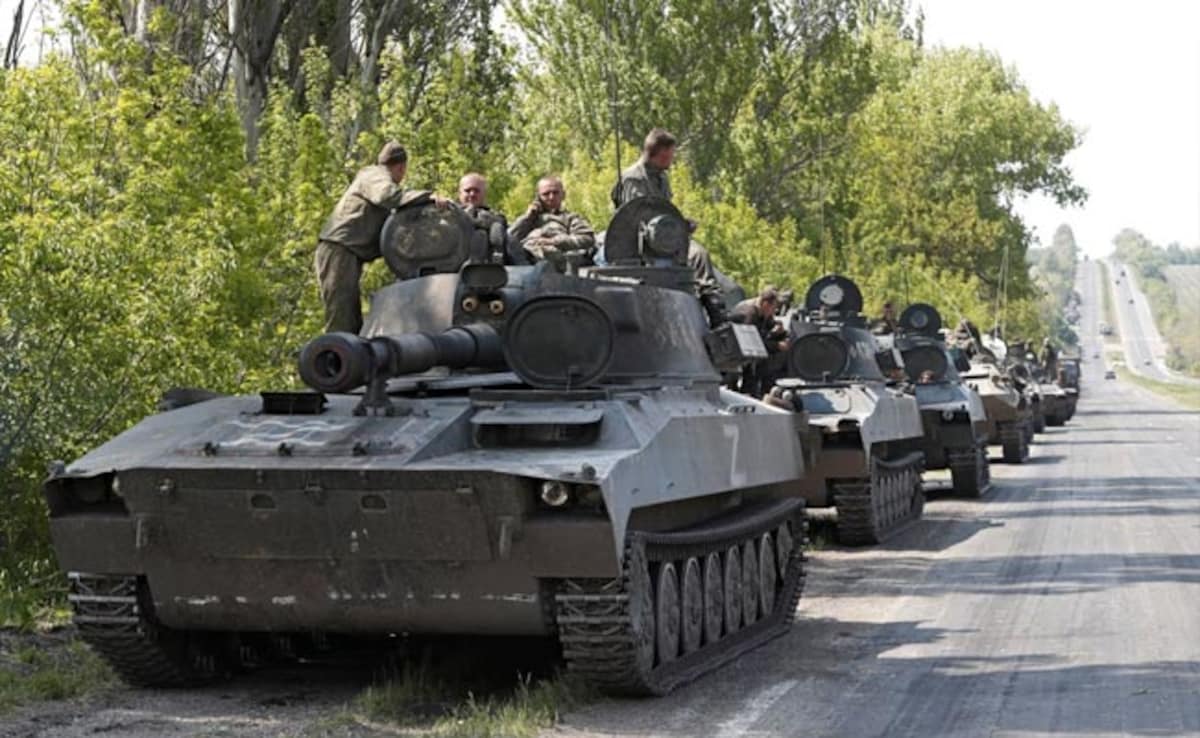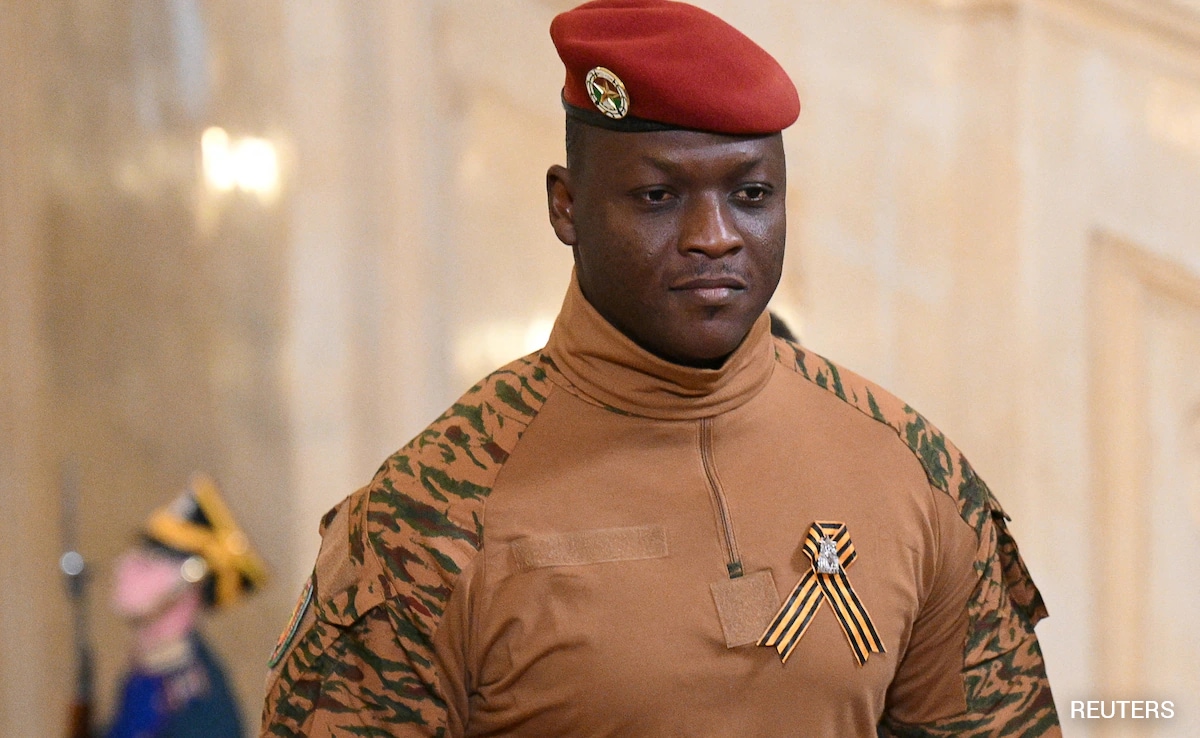
The suspension of democratic processes in Burkina Faso by Captain Ibrahim Traoré represents more than a temporary pause in governance; it is a fundamental reconfiguration of the state's value proposition from "Representative Participation" to "Total Security Provision." When Traoré signaled that elections are not a priority compared to territorial integrity, he established a new hierarchy of needs for the Burkinabe state. This shift rests on the assumption that democracy is a luxury good achievable only after the state secures a monopoly on the use of force—a condition currently absent in over 40% of the country’s territory.
The Security-Governance Trade-off Matrix
The current administration operates under a "Survival First" framework. In this model, the state views democratic infrastructure—ballot boxes, campaign cycles, and legislative debates—as resource drains that offer zero immediate utility in the kinetic struggle against insurgent groups. The logic can be broken down into three specific operational constraints: For a different perspective, read: this related article.
- Resource Allocation Bottlenecks: Organizing a national election requires significant logistical mobilization. In a state of active insurgency, diverting the Gendarmerie and Army to protect polling stations reduces the frontline combat effective strength. The state has prioritized the "VDP" (Volunteers for the Defense of the Homeland) program, which decentralizes force, over the decentralization of political power.
- Territorial Incoherence: An election conducted only in secure urban centers like Ouagadougou and Bobo-Dioulasso would lack "territorial legitimacy." By disenfranchising the millions of citizens in "red zones" controlled by JNIM or Islamic State in the Greater Sahara (ISGS), the government risks formalizing the loss of those regions.
- The Information Sovereignty Gap: The transition government views democratic discourse as a vector for foreign influence and internal division. In their strategic calculus, a unified command structure is the only mechanism capable of sustaining the high-casualty, high-attrition warfare required to reclaim the Sahelian reaches.
The Cost Function of the "Security First" Mandate
The decision to sideline democracy carries a compounding cost. While the military junta argues that security is the precursor to voting, the suspension of constitutional norms creates a "Legitimacy Deficit." This deficit manifests in specific economic and diplomatic frictions:
- Multilateral Credit Contraction: International bodies such as ECOWAS and the African Union utilize democratic benchmarks to trigger sanctions or pause development aid. The current strategy accepts these economic losses as a necessary cost of "sovereign autonomy."
- The Intelligence Paradox: Effective counter-insurgency (COIN) relies on human intelligence (HUMINT) from local populations. When a central government moves away from representative models, it risks alienating the very rural populations whose data is vital for tracking insurgent movements.
- Institutional Atrophy: By focusing exclusively on the Ministry of Defense, other vital organs of the state—Judiciary, Education, and Health—experience a degradation in operational capacity. This creates a vacuum that insurgents often fill by providing basic social services.
Structural Analysis of the Transition’s Power Dynamics
Captain Traoré's governance model utilizes a "direct-action" feedback loop. Unlike traditional administrations that rely on bureaucratic layers, the current leadership employs populist rhetoric to bypass intermediate political classes. This creates a vertical power structure where the "Volontaires pour la Défense de la Patrie" serve as both a paramilitary force and a grassroots political base. Similar analysis on this trend has been provided by Al Jazeera.
The primary mechanism for maintaining this power is the "External Threat Narrative." By framing democracy as a Western-imposed construct that has failed to provide safety, the administration pivots the national identity toward a martial ethos. This is not merely a rhetorical choice; it is a structural redesign of the Burkinabe social contract. The citizen is no longer defined by their vote, but by their contribution to the "War Effort."
The Technological Dimension of Modern Sovereignty
A critical overlooked factor in the Burkinabe pivot is the role of surveillance and hardware acquisition. The move away from Western democratic norms often coincides with a shift in defense procurement.
- Drone Integration: The use of Bayraktar TB2 and other Unmanned Aerial Vehicles (UAVs) provides the junta with a tactical "eye in the sky" that traditional democracy-promotion partners are often hesitant to provide without human rights oversight.
- Information Control: The state has increased its grip on digital infrastructure. By controlling the narrative on social platforms and restricting traditional media outlets, the administration manages the "Internal Security Environment" just as aggressively as the physical borders.
- Algorithmic Polarization: The transition has leveraged digital mobilization to identify and isolate dissent. This "Digital Sovereignty" allows the state to maintain the appearance of mass support while suppressing organized opposition.
The Logical Fallacy of Sequential Governance
The core of the "Security first, Democracy later" argument is a sequential logic: Step A (Security) must be completed before Step B (Democracy) can begin. However, historical data in the Sahel suggests that these two variables are interdependent rather than sequential.
Security without political inclusivity often leads to "Symmetric Erosion." As the military intensifies its operations, the lack of a political path for marginalized groups can inadvertently increase recruitment for insurgent factions. If the state is seen only as a provider of kinetic force rather than a provider of justice and representation, its presence in the hinterlands becomes indistinguishable from an occupying force.
The "Burkinabe Model" is currently testing whether a highly motivated, nationalist military cadre can defy the standard development arc. The state is betting that "Productive Authoritarianism"—where the focus is purely on territorial reclamation—will create its own form of legitimacy that eventually renders Western-style democracy irrelevant to the average citizen.
Forecasting the Institutional Trajectory
The transition in Burkina Faso is moving toward a "Permanent Emergency" state. This status allows for the indefinite suspension of civil liberties under the guise of the ongoing existential threat. The transition is not a bridge to a previous democratic state, but a ramp to a new form of "Garrison State" governance.
To maintain this trajectory, the administration must deliver measurable "Kinetic Milestones." If the army fails to reclaim significant territory or if the capital faces increased insecurity, the trade-off—loss of freedom for the gain of safety—collapses. The risk is a cycle of internal coups, where each successive leader promises more security than the last, further narrowing the focus of the state until it becomes a purely military entity with no civilian functionality.
The strategic play for regional observers and internal stakeholders is to monitor the "VDP Integration Rate." The degree to which these irregular forces are folded into a formal chain of command will determine if Burkina Faso stabilizes into a centralized autocracy or fragments into a series of localized militia-controlled zones. The state’s ability to transition these combatants into a productive post-conflict class remains the single greatest variable in the country’s long-term viability.
Establishing a viable state in the current Sahelian climate requires a dual-track approach: hardening the physical borders while simultaneously creating a decentralized governance framework that provides "Justice as a Service." If the administration continues to view these as mutually exclusive, the security gains will remain tactically significant but strategically hollow. The move to ignore the democratic calendar must be followed by an aggressive, non-military "Service Delivery" campaign in reclaimed areas to prevent a rapid return to insurgency. Failure to do so will result in a state that is perpetually at war with its own geography.