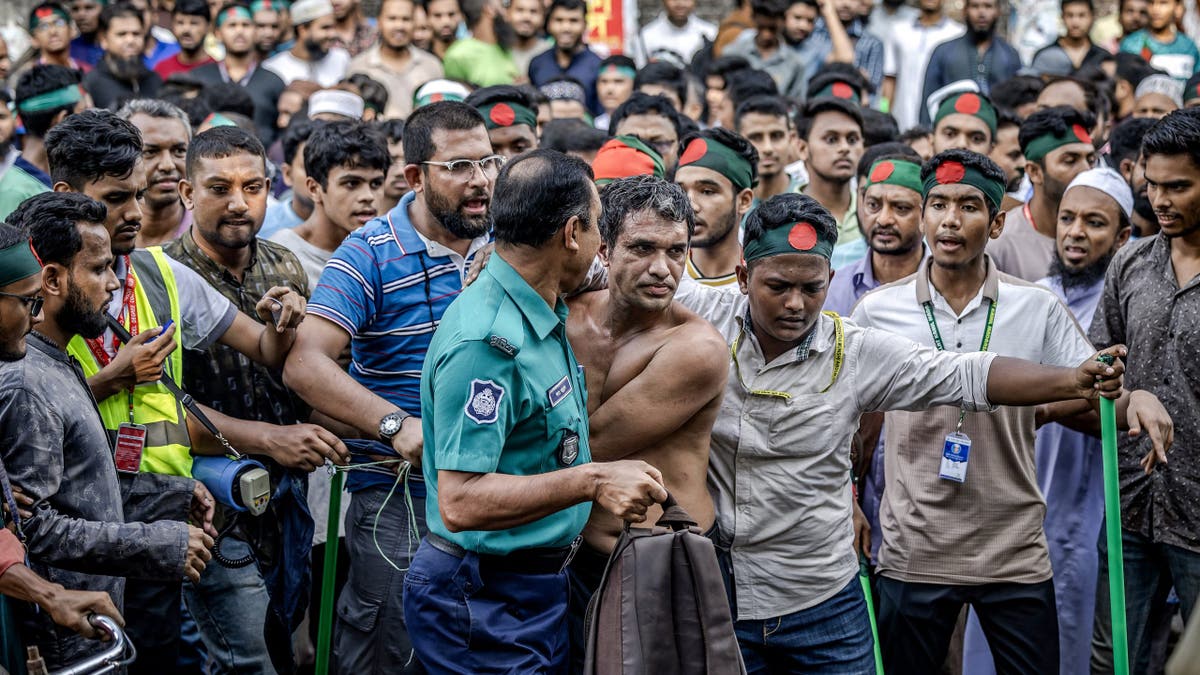
The ground shifted in Bangladesh this year. For many, it felt like liberation. For others, it’s been a season of looking over their shoulders every time they step outside. We need to talk about the surge in communal violence targeting minorities because the usual diplomatic "deep concern" isn't cutting it anymore. If you've been following the headlines, you know things are tense. If you haven't, you're missing a massive human rights crisis brewing in South Asia.
Minority communities, specifically Hindus, Christians, and Buddhists, are reporting a sharp increase in targeted attacks. These aren't just random scuffles. We’re talking about homes torched, temples vandalized, and a pervasive sense that the law won't protect you if you don't belong to the majority faith. Human rights groups have documented hundreds of incidents over the last few months alone. It’s a messy, frightening reality that goes far beyond simple political instability.
The Reality of Violence on the Ground
Data from the Bangladesh Hindu Buddhist Christian Unity Council (BHBCUC) paints a bleak picture. They’ve recorded over 2,000 incidents of violence against minorities since the political transition began. These numbers aren't just statistics. They represent families losing their livelihoods and children afraid to go to school.
Security forces often arrive too late. Or they don't arrive at all. When the police structure collapses or undergoes a massive overhaul, the most vulnerable people pay the price. You see it in the rural districts like Khulna and Rangpur more than in Dhaka, but the fear is universal. The violence usually follows a predictable, sickening pattern. A rumor starts on social media—often a fake post about insulting religion—and within hours, a mob is at someone’s door.
I’ve seen how this works. It’s fast. It’s coordinated. Most importantly, it’s effective at driving people out of their homes. We’re seeing a land grab masquerading as religious zeal. If you scare a family enough, they’ll leave. Once they leave, their property is up for grabs. It’s an old trick, but it’s being used with terrifying new frequency in this power vacuum.
Why the Current Transition Failed to Protect Minorities
The interim government says all the right things. They talk about "communal harmony" and "equal rights." But rhetoric doesn't stop a torch-bearing mob. The fundamental problem is a lack of accountability. If no one goes to jail for burning a house, more houses will burn. It's that simple.
The political shift left a vacuum. Law enforcement stayed off the streets for weeks. In that window, old grudges surfaced. Radical elements that were suppressed for years suddenly found they had room to breathe. They’re using this "new" Bangladesh to settle scores. It’s not just about religion; it’s about power and who gets to define the national identity.
Many minority leaders feel betrayed. They stood alongside students during the protests. They wanted change too. Now, they feel like they’ve been handed a version of change that excludes them. The "we are all Bangladeshis" slogan feels hollow when your temple is being boarded up for safety.
International Pressure and the Role of Global Media
International watchdogs like Amnesty International and Human Rights Watch have flagged the situation. They’re calling for independent investigations. But let’s be real. Bangladesh is currently navigating a mountain of economic and political debt. Minority rights often get pushed to the bottom of the "to-do" list when the whole country is trying to keep the lights on.
India is watching closely. The border is a tinderbox. When violence spikes in Bangladesh, it sends shockwaves across the region. It creates a refugee crisis that no one is prepared to handle. But relying on outside pressure is a double-edged sword. It can sometimes make minorities look like "foreign agents" in the eyes of extremists, which only puts a bigger target on their backs.
We need more than just statements from the UN. We need a functional judiciary that treats a crime against a Hindu or a Christian with the same urgency as a crime against a member of the majority. Right now, that’s just not happening. The legal system is clogged, biased, and, in many places, completely broken.
Breaking the Cycle of Impunity
Stop thinking this is just "clashes." That word implies two equal sides fighting. This is systemic targeting. To fix this, the government has to do three things immediately. No excuses.
- Deploy dedicated security units to known flashpoints. We know where the trouble starts. If the police can’t do it, the army must ensure every citizen is safe, regardless of their beard length or the symbols in their home.
- Fast-track prosecutions. Justice delayed is justice denied. We need special courts to handle communal violence cases. Seeing a perpetrator behind bars within weeks instead of decades would change the psychology of the mobs.
- Compensate the victims. When a shop is burned, that family's future is gone. The state must provide immediate financial relief to rebuild. It's not charity; it's a debt the state owes for failing to protect them.
Don't wait for the next big headline to care about this. The slow-motion displacement of millions of people is happening right now. It’s happening through fear, through "accidental" fires, and through a silence that is becoming deafening.
If you want to help, support local NGOs on the ground that provide legal aid to minority victims. Share the stories that don't make it to the front page of the international press. Pressure your own representatives to make human rights a condition of any diplomatic or economic support for the new administration. Bangladesh’s future depends on whether it can be a home for everyone, or just a fortress for some. The clock is ticking, and the smoke hasn't cleared yet.


