Wall Street is having a temper tantrum because Greg Abel didn't set the world on fire in ninety days. The headlines are predictable. They whine about a 4% dip. They moan about a lack of "bold moves." They treat the fourth-quarter results like a funeral for the cult of value investing.
They are completely missing the point.
If you’re selling your Berkshire shares because the new CEO didn’t announce a $50 billion acquisition or a radical pivot into AI-driven logistics, you never understood why Warren Buffett picked Abel in the first place. You’re trading on noise while the house is being built for the next century.
A 4% drop isn't a failure. It’s a clearance sale for the patient and a filtering mechanism to flush out the tourists who were only there for the Buffett nostalgia tour.
The Myth of the Bold Move
The financial press has an addiction to "bold moves." To a desk-bound analyst, a bold move is a massive, over-leveraged acquisition that generates a week of buzz and a decade of integration headaches. They want Abel to prove his "vision."
In reality, the most radical thing Greg Abel can do is nothing.
Berkshire Hathaway is not a tech startup. It is a massive, decentralized collection of cash-generating machines. When the "consensus" screams for action, they are actually screaming for a dopamine hit. They want a headline. Abel’s job is to ignore them.
The fourth-quarter results showed a dip in operating earnings? Look closer. The insurance underwriting side—the literal engine of the company—remains a fortress. If you’re spooked by a quarterly fluctuation in Geico’s margins or a slight slowdown in BNSF freight volumes during a high-interest-rate environment, you’re looking at the dashboard instead of the road.
Precision Over Performance Art
I have watched dozens of CEOs tank their companies because they felt the "weight of the throne" and tried to make a mark too early. They overpay for assets. They restructure divisions that weren't broken. They "leverage" (to use a word I despise) their reputation to buy growth that doesn't exist.
Abel is doing the opposite. He is maintaining the culture of fiduciary stoicism.
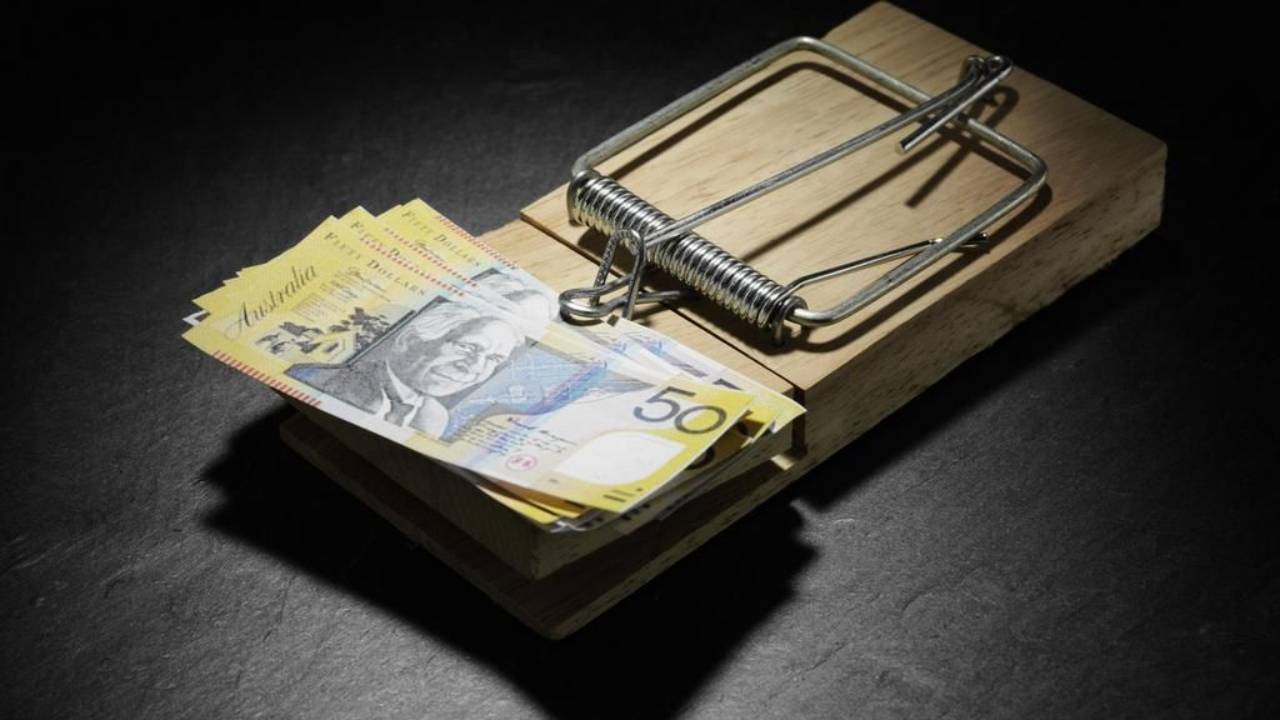
The "lazy consensus" says Berkshire is sitting on too much cash—nearly $168 billion at last count. The critics call it a "drag on returns." That is fundamentally flawed logic. That cash isn't a pile of dead money; it’s an opportunity option.
When the market eventually cracks—and it always cracks—that $168 billion allows Abel to buy entire industries while everyone else is begging for a bailout. Calling for a "bold move" now, when valuations are stretched and the S&P 500 is trading at massive multiples, is asking Abel to be a bad investor.
The Real Math of the Fourth Quarter
Let’s look at the numbers the pundits are choking on. They see a 4% share price drop and assume the intrinsic value of the company evaporated.
The reality? The book value remains a lagging indicator of a massive moat.
- Insurance Float: Still growing.
- Energy Division: Still the most stable utility play on the planet.
- Apple Stake: Still providing a massive, tax-efficient dividend stream.
If you calculate the intrinsic value using a standard Discounted Cash Flow (DCF) model, you’ll find that a 4% drop actually brings the price-to-book ratio closer to the "buyback sweet spot." Buffett used to say he’d happily buy back shares if they dropped below 1.2x book value. Abel is likely licking his chops at this dip, not sweating it.
The Succession Trap
The biggest misconception is that Abel has to be "Buffett 2.0."
He doesn't. He shouldn't.
Buffett was the Chief Psychologist. He kept the shareholders calm with folksy wisdom. Abel is the Chief Operations Officer. He is a master of the plumbing. He understands the thermal efficiency of a power plant better than Buffett ever did.
The market is punishing the stock because the "magic" is gone. Good. Magic is a terrible basis for an investment strategy. Give me a guy who understands the unit economics of a railroad over a guy who tells great stories any day of the week.
The Brutal Truth About "Poor Results"
Let’s dismantle the "poor fourth-quarter results" narrative.
Most of the "miss" came from unrealized investment losses and specific headwinds in the energy sector due to regulatory shifts in California and Utah. These are non-cash accounting items or localized political hurdles. They do not change the fact that the core subsidiaries are printing money.
Wall Street hates complexity. They want a "clean" beat. Berkshire is never clean because it’s a reflection of the global economy. If the global economy has a hiccup, Berkshire shows a bruise. If you can’t handle a bruise, you shouldn't be in the ring.
The Strategy for the Contrarian Investor
Stop asking "When will Abel make a deal?" and start asking "What is he waiting for?"
The answer is simple: he is waiting for blood.
He is waiting for the moment when a "bold" CEO at another firm realizes they overextended and needs a rescue. That is the Berkshire way. You don't buy when things are "steady." You buy when things are "broken."
If you’re a shareholder, your move isn't to sell. It’s to check your ego. Are you here for the quarterly dopamine or the multi-generational compounding?
- Ignore the P/E ratio: It's useless for a conglomerate with a massive equity portfolio.
- Watch the Float: If the insurance float keeps rising, the company is winning.
- Value the Silence: A CEO who doesn't talk to the press every five minutes is a CEO who is actually working.
The 4% drop is a gift. It’s a sanity check for your portfolio. If a minor fluctuation in a massive, diversified conglomerate causes you to question the leadership, you aren't an investor; you’re a gambler who lost his lucky charm.
Stop looking for the next "big thing." The big thing is the $168 billion war chest and a CEO who has the discipline to keep it locked until the price is right.
Abel isn't failing. He’s reloading.
Buy the dip, or get out of the way for someone who actually understands how wealth is built.