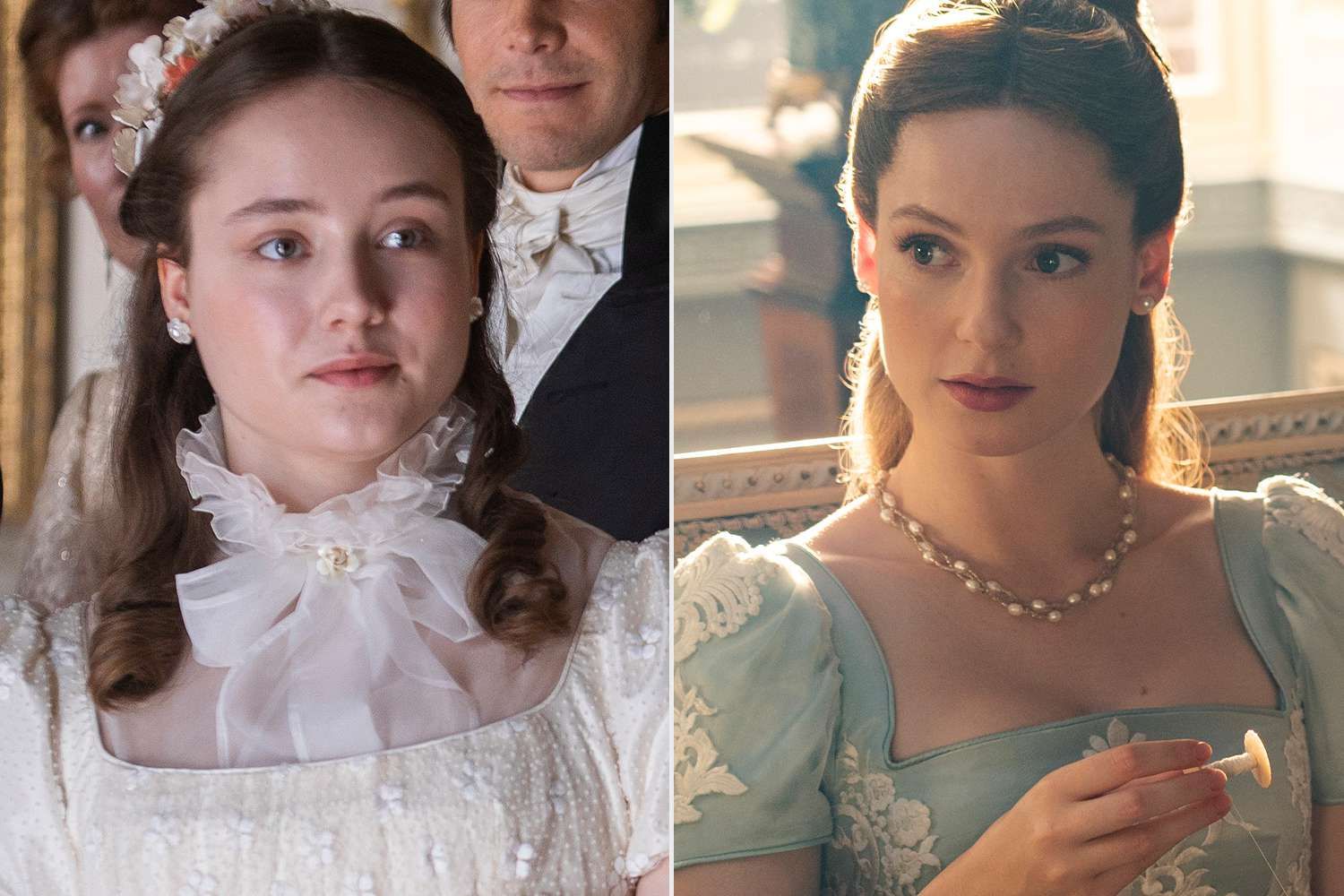
The ton is officially shaking. If you finished the third season of Bridgerton and felt a collective gasp across the internet, you aren't alone. The introduction of Michaela Stirling didn't just tweak the source material; it completely rewrote the trajectory of one of the series' most beloved books, When He Was Wicked. For fans who’ve spent years imagining a faithful adaptation of Michael Stirling’s pining, the arrival of Masali Baduza as Michaela changed everything. It’s a massive gamble for Netflix, but it’s also the most interesting thing the show has done in years.
Most viewers expected the standard Bridgerton formula. Girl meets boy, boy is a rake, they dance around their feelings until a rainy climax. Francesca’s story was always different because it deals with grief, second chances, and a very specific kind of longing. By gender-flipping the romantic lead, showrunner Jess Brownell has leaned into "sapphic yearning" in a way that feels urgent. This isn't just a background subplot anymore. It’s the main event.
The Michael versus Michaela Debate
Hardcore book purists are struggling. I get it. Michael Stirling is often cited as the "best" Bridgerton hero because he’s complicated, tortured, and intensely devoted. In the novel, Michael’s guilt stems from loving his cousin’s wife. In the show, that dynamic shifts. Now, Francesca’s story will navigate the complexities of queer identity in a Regency setting that, while inclusive in terms of race, has been relatively quiet about sexuality until now.
This change doesn't erase the themes of the book. It amplifies them. The "wickedness" Michael felt was rooted in a sense of betrayal toward John. For Michaela, that layer remains, but it's joined by the weight of a love that the society around her isn't built to acknowledge. If you’re worried about losing the steaminess the book is known for, don’t be. The chemistry in that final scene of season three was palpable. Francesca’s visible fluster—a sharp contrast to her calm demeanor with John—tells us everything we need to know. She isn't just surprised; she’s thunderstruck.
Why Francesca’s Story Needs This Shift
Francesca has always been the Bridgerton outsider. She’s quiet. She values peace. She doesn't seek the spotlight like Eloise or the social dominance of Daphne. Her initial marriage to John Stirling is beautiful because it’s grounded in companionship and silence. It’s a "slow" love.
But every Bridgerton needs a "thunderbolt" moment. By introducing Michaela now, the writers are setting up a devastatingly long burn. We have to watch Francesca be happy with John, knowing that Michaela is right there, also loving John, while secretly vibrating with an attraction she can’t act on. It’s tragic. It’s messy. It’s exactly what high-stakes drama requires.
The show has been playing it safe for a while. Let’s be real. Season three was fun, but it followed a very predictable path. Introducing a queer lead for a future season—likely season four or five—proves the creators are willing to evolve. They’re moving past the "color-blind" fantasy and starting to explore what "happily ever after" looks like for people who don’t fit the traditional mold of a 19th-century debutante.
Breaking the Regency Rules
How does a sapphic romance work in a world obsessed with heirs and titles? That’s the question that makes this upcoming season so much better than a standard adaptation. In the books, Michael eventually takes over John’s title as Earl of Kilmartin. He has to marry to produce an heir.
With Michaela, the stakes for the Kilmartin estate become a central plot point. Can a woman hold that kind of power? How do Francesca and Michaela navigate a life together when the law doesn't recognize their union? These are meaty, fascinating questions that a standard "boy meets girl" story just can't touch. We’re moving from a story about a secret crush to a story about survival and carving out a space in a world that wasn't made for you.
- The Yearning Factor: Expect plenty of lingering glances across ballrooms.
- The Grief Element: The show must still honor John Stirling’s importance. His death isn't just a plot device; it's the catalyst for Francesca’s growth.
- The Stirling Bond: The friendship between Francesca, John, and Michaela needs to be the heart of the next few episodes to make the eventual romance hit harder.
What to Watch While You Wait
The wait for more Francesca and Michaela will be long. Production cycles for this show are notoriously slow. In the meantime, you should be paying close attention to Benedict’s storyline. His exploration of fluid identity in season three wasn't a fluke. It was the groundwork. The show is widening its lens.
If you want to understand the vibe the creators are going for, look at how they handled the "quiet" moments in season three. The focus on Francesca’s piano playing and her need for solitude isn't just character flavor. It’s setting her up as someone who feels things deeply but keeps them under wraps. When she finally lets Michaela in, the explosion will be worth the wait.
The best thing you can do right now is re-watch the season three finale. Look at Francesca’s face when she meets Michaela. That isn't a "nice to meet you" smile. It’s the face of someone whose entire world just tilted off its axis. That’s the energy we’re bringing into the next chapter of the Bridgerton saga. Keep an eye on the casting news for the upcoming season, as the production team is expected to start filming in the UK soon, likely focusing on the fallout of the Stirling move to Scotland. This change of scenery will provide the perfect, isolated backdrop for the pining to begin in earnest. Read the book if you haven't, but keep an open mind. The spirit of the story is there, even if the gender of the lead has changed. Expect a lot of Scottish highlands, a lot of rain, and a lot of repressed emotion. It’s going to be glorious.