The White House just signaled that the pause in kinetic operations against Iran is not a white flag. It is a pivot. While the missiles have stopped flying for the moment, the economic strangulation of Tehran is accelerating, transforming a hot war into a cold, calculated asphyxiation of the regime’s remaining resources.
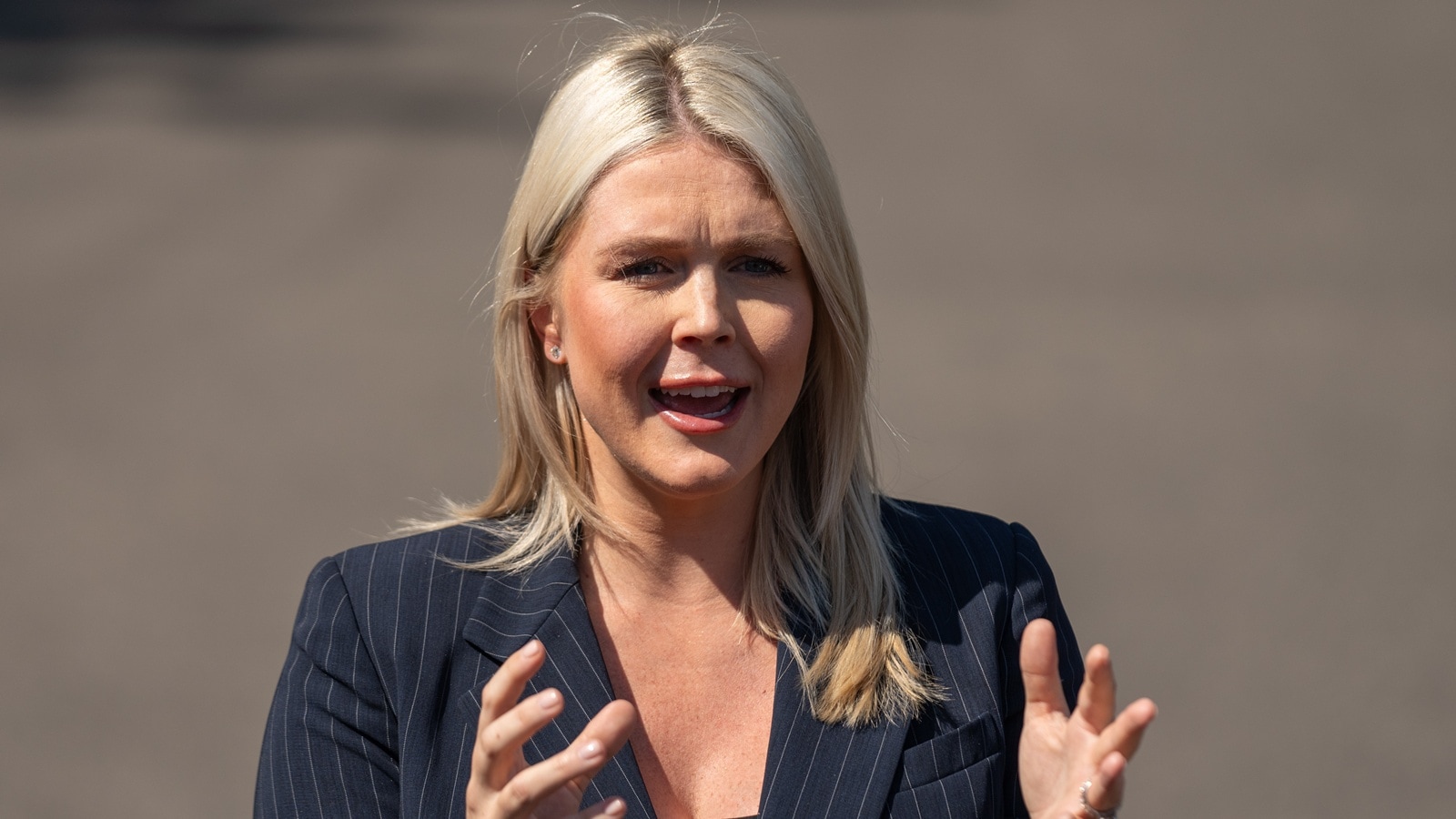
On Wednesday, Press Secretary Karoline Leavitt confirmed that while the administration is offering "flexibility" regarding a deadline for a unified peace proposal, the naval blockade of Iranian ports remains absolute. This is the central tension of the current moment. Washington is betting that by stopping the bombing but keeping the taps dry, they can force a domestic collapse or a total diplomatic surrender without the messy optics of a prolonged regional occupation.
The Blockade is the New Front Line
The April 2026 ceasefire is a misnomer for anyone living in the Strait of Hormuz. While the "strategic pause" has ended the six weeks of intensive aerial bombardment that decimated Iran's military infrastructure, the U.S. Navy and its allies have not budged from the water.
This is a maritime siege. By maintaining a total blockade on Iranian ports, the U.S. is effectively preventing the export of approximately 1.5 to 1.8 million barrels of crude oil per day. For a regime that derives the vast majority of its budget from energy exports, this is not a policy of restraint. It is a death sentence delivered in slow motion.
The strategy relies on a simple, brutal calculus.
- Infrastructure Destruction: The initial air campaign focused on refining capacity and power grids.
- Asset Freezing: The expiration of General License U on April 19 closed the last legal loophole for Iranian oil to reach international markets.
- Secondary Consequences: The 25% tariff on any nation continuing to trade with Tehran—announced earlier this year—acts as a deterrent for even the most emboldened shadow-fleet operators.
The Myth of the Unified Proposal
Inside the White House briefing room, the rhetoric focuses on a "unified proposal" from Tehran. This is a clever diplomatic trap. The U.S. knows that the Iranian leadership is currently fractured by a vicious power struggle.
On one side, you have the pragmatists like Parliament Speaker Mohammad Bagher Ghalibaf, who understand that the economy is in a freefall. Inflation is rampant, and the rial has lost nearly half its value since the conflict began in February. On the other side, the IRGC hardliners—led by Commander Major General Ahmad—view any concession as a betrayal of the revolution.
By demanding a "unified" response, the U.S. is forcing these two factions to fight it out in real-time. If they cannot agree, the blockade continues. If they do agree, it almost certainly requires a dismantling of the IRGC’s regional influence. It is a "heads I win, tails you lose" scenario for the American administration.
Global Markets and the $120 Barrel
The world is paying a high price for this economic squeeze. Brent Crude surged past $120 per barrel following the initial closure of the Strait of Hormuz in March. Even with the ceasefire, prices remain stubbornly high as markets price in the risk of a "tit-for-tat" maritime war.
On Wednesday, the UK Maritime Trade Operations reported fresh incidents of cargo vessels coming under fire west of Iran. These are not coincidental. They are the IRGC's way of reminding the world that if they cannot export oil, they will ensure no one else does so safely.
The economic pressure isn't just hitting Tehran. It’s hitting gas stations in Ohio and industrial hubs in Germany. The European Central Bank has already slashed its 2026 growth projections, warning of a "technical recession" if the maritime blockade persists through the summer. The White House is effectively gambling with the global economy to achieve a regime-shifting outcome in the Middle East.
The Cost of the Quiet War
While the press secretary emphasizes "flexibility," the human and financial cost of the conflict continues to climb. New casualty figures indicate that 13 U.S. service members have been killed and over 400 injured since the war began. These numbers, while low compared to previous conflicts, represent a significant political liability for an administration that campaigned on ending "forever wars."
In Iran, the situation is far more dire. The blockade has caused massive shortages of basic goods, medicine, and fuel. By shifting the conflict from the air to the bank account, the U.S. has moved the battlefield into the kitchens of ordinary Iranians. The bet is that the population will eventually turn their anger toward the regime rather than the blockading fleet.
History, however, suggests this is a dangerous assumption. Sanctions-led regime change is a rare bird in geopolitics. More often, it leads to a "rally around the flag" effect or a more radicalized leadership.
The Strategic End Goal
The current ceasefire is a tactical breathing room, not a peace treaty. The U.S. is using this period to redeploy assets and shore up its regional alliances, particularly with Pakistan, which has emerged as a key mediator.
The objective is no longer just "de-escalation." It is the total neutralization of Iran's ability to project power through its "Axis of Resistance." By keeping the economic pressure at a maximum while holding the military option in reserve, the U.S. is attempting to win the war without firing another shot.
Whether this works depends entirely on how long the global market can tolerate $120 oil and how long the Iranian people can tolerate an empty pantry. The "flexibility" mentioned by the White House isn't for the benefit of Tehran; it's to give the blockade time to do what the bombs couldn't: break the regime's will.
The ceasefire will hold only as long as the economic pain remains one-sided. If the IRGC decides that a quiet death by blockade is worse than a loud death by combat, the silence in the Strait of Hormuz will be short-lived.