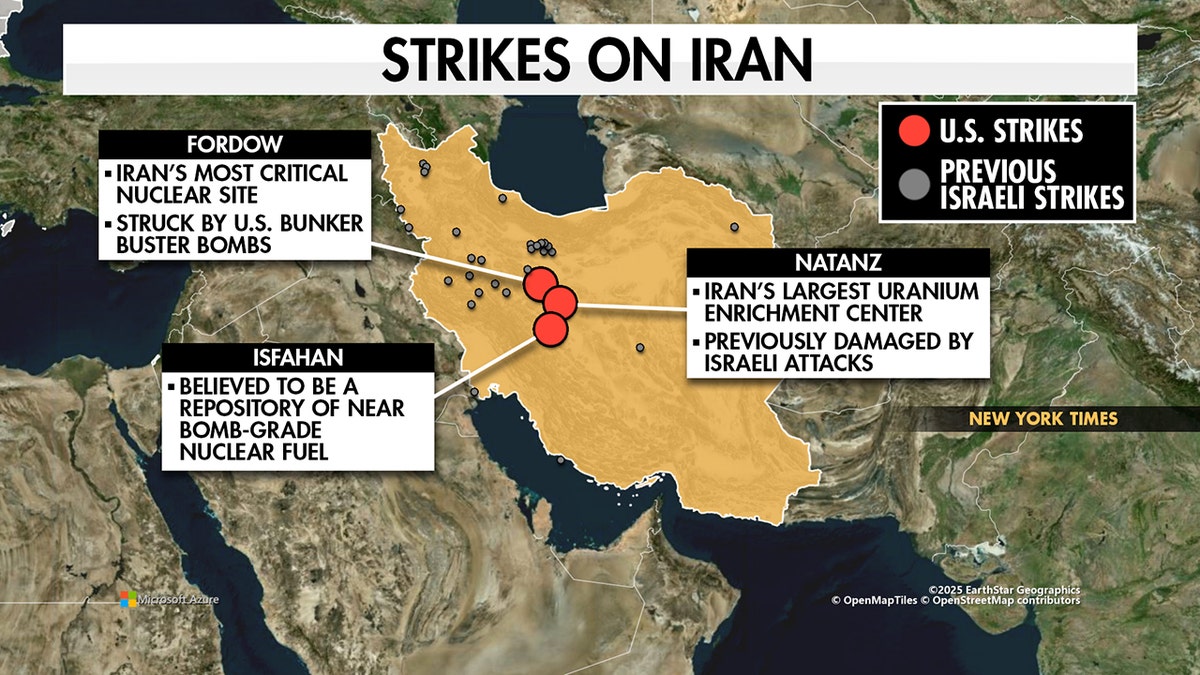
The assumption that Iran is lashing out blindly following the decapitation of its leadership is a dangerous miscalculation. While Western analysts focus on the "successor crisis" in Tehran, the reality on the ground in the Persian Gulf reveals a calculated, decentralized strategy of regional arson. Iranian projectiles are no longer just aimed at military outposts; they are systematically dismantling the illusion of safety that has fueled the Gulf’s economic rise for three decades.
By Sunday, the scale of the offensive had reached a tipping point. The United Arab Emirates reported the arrival of 189 ballistic missiles and nearly a thousand drone attacks since the conflict ignited on February 28. These aren't just "protests in the sky." They are direct hits on the nodes of global commerce. When a Shahed-type drone detonates near the Fairmont on Palm Jumeirah or a cruise missile forces the temporary shuttering of Dubai International’s Terminal 3, the message isn't for the Pentagon. It is for the boardrooms in London, New York, and Hong Kong. If you enjoyed this article, you should read: this related article.
The Assembly of Experts and the Mojtaba Gambit
In Tehran, the smoke from Israeli and American airstrikes has provided a grim backdrop for the most consequential power shift since 1979. The Assembly of Experts, meeting in emergency sessions—some conducted via encrypted links after their Qom headquarters was struck—has effectively ended the era of Ali Khamenei.
Mojtaba Khamenei, the second son of the late Supreme Leader, has emerged as the successor, though the appointment is being handled with the secrecy of a coup. My sources within the regional intelligence community suggest the Islamic Revolutionary Guard Corps (IRGC) bypassed traditional clerical vetting to force this transition. This isn't a theological appointment; it’s a wartime mobilization. Mojtaba has long been the shadow architect of the regime’s security apparatus. By placing him at the top, the IRGC is signaling that the era of diplomacy is dead. For another perspective on this story, see the recent update from USA Today.
The transition to a hereditary-style leadership marks a fundamental "shedding of skin" for the Islamic Republic. It risks alienating the remaining reformist base at home, but for the IRGC, internal dissent is currently secondary to survival. They need a commander, not a jurist.
Projectile Pacing and the Saturation Strategy
The sheer volume of fire directed at Kuwait, Qatar, and Saudi Arabia reveals a pivot in Iranian military doctrine. Historically, Tehran used its proxies to create plausible deniability. Now, the mask is off.
- Kuwait: Faced nearly 200 ballistic missiles and hundreds of drones, forcing a "precautionary" cut in crude production.
- Qatar: Intercepted ten ballistic missiles and two cruise missiles in a single 24-hour window, despite Doha’s long-standing role as a backchannel mediator.
- Saudi Arabia: Destroyed 15 drones targeting the diplomatic quarter in Riyadh, proving that even the most "neutral" zones are now in the crosshairs.
This is a saturation strategy designed to bleed the region’s air defense stocks. Even with a high interception rate—UAE officials claim to have neutralized over 90% of incoming threats—the debris alone is lethal. One civilian was killed and seven others injured near Zayed International Airport not by a direct hit, but by the kinetic rain of a successful interception.
The financial cost of this defense is staggering. Every $20,000 Iranian drone requires a multimillion-dollar interceptor to stop it. Tehran is betting that it can outlast the Gulf’s checkbooks and the West’s supply chains.
The End of Neutrality
For years, countries like Oman and Qatar attempted a delicate balancing act, hosting U.S. assets while maintaining a cordial dialogue with Tehran. That middle ground has evaporated. The strike on Oman’s Duqm port and the fire at the U.S. consulate in Dubai demonstrate that Iran no longer distinguishes between active combatants and passive hosts.
The IRGC’s "True Promise IV" operation is an attempt to turn the Gulf into a liability for the United States. If the cost of hosting American bases is the destruction of their own tourism and energy sectors, Tehran believes the GCC states will eventually buckle and demand a U.S. withdrawal.
However, this calculus may be the regime’s final error. Instead of fracturing the regional alliance, the strikes are driving the Gulf states into a desperate, unprecedented security coordination with Israel. When the "nightmare scenario" of total regional war finally arrived, the response wasn't a retreat, but a hardening.
The new leadership in Tehran is doubled down on a scorched-earth policy. Mojtaba Khamenei’s first act as leader isn't a speech; it is the sustained roar of missile engines. The Gulf is no longer a spectator to the Iran-Israel shadow war. It is the front line.
Check the status of regional flight corridors before any planned transit, as the risk of "debris showers" now extends to all major civilian hubs.