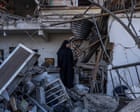
The Philippines has officially declared a national energy emergency, a move that effectively shreds the country’s ambitious decarbonization timeline to dust. While the headlines point toward the escalating conflict in the Middle East as the primary culprit, the reality is far more systemic. The war involving Iran has indeed throttled global oil supplies and sent liquefied natural gas (LNG) prices into a violent upward spiral, but this geopolitical shock only exposed a rot that has been festering within the Philippine energy grid for over a decade. Manila is now aggressively pivoting back to coal, green-lighting new plants and extending the life of aging, high-emission facilities to keep the lights on in a country where the cost of electricity is already among the highest in Southeast Asia.
This is not just a temporary detour. It is a fundamental retreat.
For years, the Department of Energy (DOE) preached a gospel of transition, promising a shift toward solar, wind, and imported LNG. But the infrastructure was never ready. The grid remained brittle. When the Strait of Hormuz became a high-stakes bottleneck, the "bridge fuel" strategy of using LNG collapsed under the weight of market volatility. Now, the government has reached for the only lever left—the one fueled by the black soot of the 20th century. By prioritizing immediate stability over long-term climate pledges, the administration is making a calculated, albeit desperate, bet that the public will prefer cheap, dirty air over expensive, intermittent blackouts.
The Myth of the Natural Gas Bridge
The central failure of the Philippine energy strategy lies in its over-reliance on imported gas. Policymakers viewed LNG as the perfect intermediary—cleaner than coal but more reliable than solar. It was a beautiful theory that ignored the brutal mechanics of global commodity markets. Unlike the Malampaya gas field, which provided a steady, domestic supply for years, imported LNG is subject to the whims of global skirmishes and shipping insurance premiums.
When the conflict in Iran intensified, the price of LNG didn't just rise; it became prohibitive for a developing economy. Philippine power producers, unable to secure long-term contracts at reasonable rates, found themselves competing with wealthy European nations for the same spot-market cargoes. The math simply stopped working.
To bridge the gap, the government has quietly bypassed the 2020 moratorium on new coal-fired power plants. They are calling it a "strategic necessity," but in the boardrooms of the nation’s largest power conglomerates, it is seen as a return to the status quo. Coal is tangible. You can stockpile it. It doesn't evaporate or require high-tech regasification terminals that haven't been built yet.
Why Solar and Wind Failed to Save the Grid
The most uncomfortable truth for environmental advocates is that the Philippine renewable sector was caught flat-footed. Despite billions in pledged investment, the actual delivery of megawatts to the grid has been sluggish. The problem isn't a lack of sun or wind; it’s a lack of transmission.
The National Grid Corporation of the Philippines (NGCP) has struggled with a massive backlog of connection projects. You can build the largest solar farm in Southeast Asia in the heart of Luzon, but if the high-voltage lines aren't there to carry that power to the industrial hubs or the mega-cities, that energy is worthless. This "curtailment" means that even on the sunniest days, the grid cannot absorb the renewable energy being produced.
Furthermore, the intermittent nature of these sources requires a massive investment in battery energy storage systems (BESS). These systems are expensive and require specialized minerals that are also seeing price hikes due to the same global supply chain disruptions affecting the oil market. Without a functional storage cushion, the grid becomes unstable every time a cloud passes over a major solar installation. For a government facing a "national emergency," the reliability of a coal turbine spinning at a constant rate is far more seductive than the fluctuating output of a wind farm during monsoon season.
The Economic Fallout of the Emergency Declaration
By declaring a national emergency, the executive branch has granted itself sweeping powers to fast-track permits and bypass environmental impact assessments. This is a double-edged sword. On one hand, it removes the bureaucratic red tape that has stalled energy projects for years. On the other, it creates a "wild west" environment where long-term environmental protections are sacrificed for short-term political survival.
Businesses are already bracing for the impact.
- Manufacturing Costs: Factories in Cavite and Laguna operate on razor-thin margins. A 15% jump in power rates, driven by the shift back to expensive, imported coal or high-priced emergency gas, could trigger a wave of layoffs.
- Foreign Investment: Global firms with strict ESG (Environmental, Social, and Governance) mandates are looking at the Philippines with increasing skepticism. If a company has pledged to be carbon-neutral by 2030, it cannot easily justify expansion in a country that is doubling down on coal.
- Consumer Inflation: The average Filipino household spends a disproportionate amount of income on utilities. When the "emergency" surcharge hits the monthly bill, it isn't just an inconvenience; it’s a choice between electricity and food.
The Geopolitical Trap
The Philippines finds itself in a geographic and economic pincer. To the west, the South China Sea remains a flashpoint, complicating any efforts to explore for domestic offshore gas. To the east, the vast Pacific offers no relief from the global shipping routes that are now under threat.
The reliance on coal also creates a new dependency—on Indonesia and Australia. While these are more stable partners than those in the Middle East, the Philippine energy security is still at the mercy of foreign export quotas and shipping lane security. The "emergency" isn't just about a lack of power; it's about a lack of sovereignty over the basic inputs required to run a modern state.
The government’s plan to "boost" coal power involves re-commissioning mothballed plants that are decades old. These units are inefficient and prone to mechanical failure. Using them as a primary source of base-load power is like trying to win a Formula 1 race with a vintage tractor. They might get you moving, but the risk of a catastrophic breakdown is omnipresent.
Beyond the Rhetoric of Transition
The official line remains that this coal surge is a "temporary measure" to navigate the current global crisis. History suggests otherwise. Once a coal plant is brought back online and integrated into the pricing structure of the wholesale electricity spot market, it becomes very difficult to switch off. The vested interests—the plant owners, the coal importers, and the local politicians who benefit from the tax revenue—will fight to keep those turbines spinning.
The real tragedy is that the Philippines had a genuine opportunity to lead the region in geothermal and hydro development, two baseload-capable renewable sources. Instead, those sectors were starved of the same level of urgency now being applied to coal.
If the government wants to move beyond this cycle of emergencies, it must stop treating the grid like a collection of isolated power plants and start treating it like a modern digital network. This means massive, state-led investment in grid hardening and decentralized micro-grids that can operate independently when the national system falters. It also requires an honest conversation with the public: the era of cheap energy is over, and the cost of the "bridge" to the future just became a lot more expensive.
The next time a global conflict erupts, the Philippines will likely find itself in the same position, clutching a lump of coal and praying for the rain to stop, unless it finally addresses the structural incompetence that turned a price spike into a national crisis.
Demand an audit of the NGCP’s delayed transmission projects to see exactly where the bottlenecks are choking the transition to cheaper power.