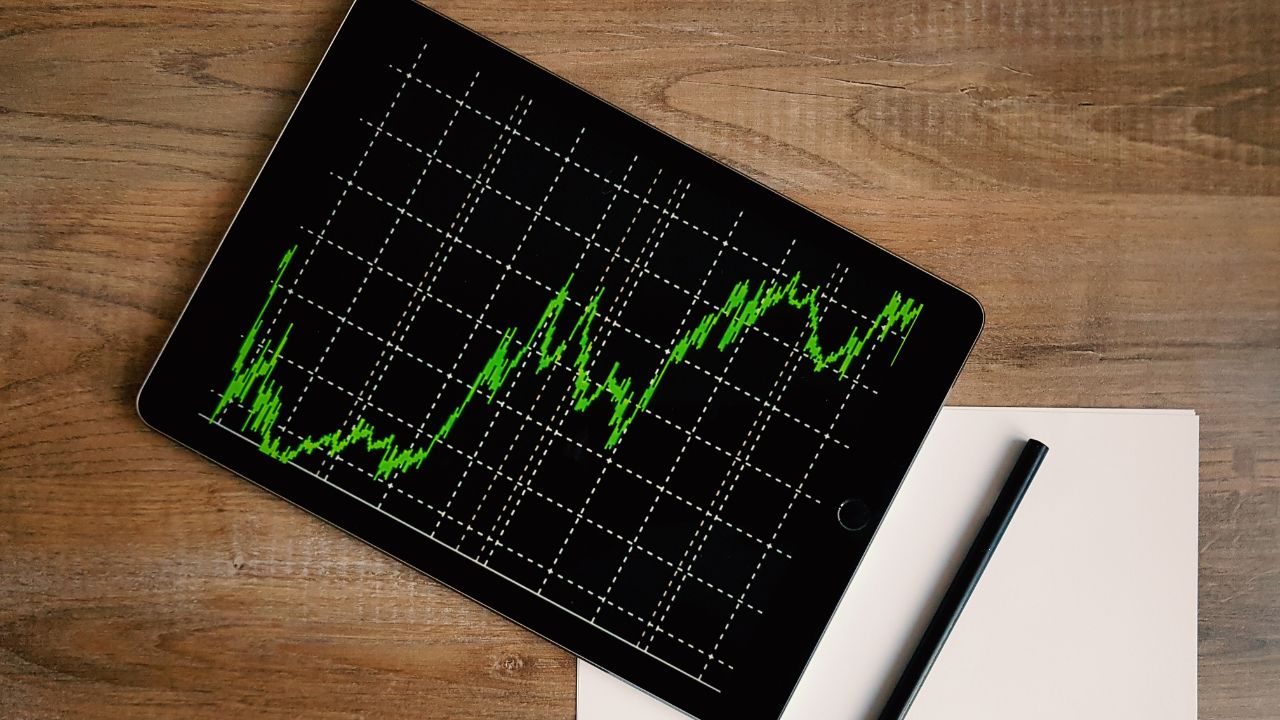
Borrowing costs just slammed the brakes on a brief period of relief for American homebuyers. After a tantalizing dip that suggested the worst of the inflation fight was over, long-term mortgage rates have surged back to levels not seen in a month, effectively erasing weeks of market progress. The average 30-year fixed rate has climbed back toward the 7% threshold, a psychological and financial barrier that continues to paralyze the housing market. This is not a random fluctuation. It is a direct reaction to a labor market that refuses to cool and a Federal Reserve that has signaled it is in no rush to rescue the economy with rate cuts.
For months, the narrative on Wall Street was simple: inflation is dying, and the Fed will pivot. That narrative just hit a wall of reality. When the latest employment data showed job growth far exceeding expectations, the bond market—which dictates mortgage pricing—went into a tailspin. Investors realized that if the economy remains this hot, the central bank cannot lower the federal funds rate without risking a secondary spike in prices. Consequently, the yield on the 10-year Treasury note, the primary benchmark for mortgage lenders, shot upward.
The Yield Curve Trap
Mortgage rates do not move in a vacuum. They are tethered to the 10-year Treasury yield, usually maintaining a spread of about 150 to 200 basis points. Currently, that spread is wider than historical norms, hovering closer to 300 basis points. This "risk premium" exists because lenders are terrified of volatility. If a bank issues a mortgage at 6.5% today and rates jump to 7.5% tomorrow, that original loan becomes a liability on their books.
The wider the spread, the more the consumer pays for the privilege of uncertainty. We are seeing a market where lenders are pricing in the worst-case scenario. They are not just tracking current inflation; they are hedging against the possibility that the Federal Reserve might have to hold rates "higher for longer" well into next year. This creates a feedback loop where even a slight beat in economic data causes a disproportionate spike in what a family in Ohio or Arizona pays for a three-bedroom home.
The Myth of the Housing Crash
Many analysts spent the last two years predicting a total collapse in home prices. They were wrong. While rates have more than doubled since 2021, prices have remained stubbornly high in most major metros. This defies traditional economic logic, which suggests that when the cost of money goes up, the price of the asset must go down.
The missing piece of the puzzle is the "lock-in effect." Roughly 80% of current mortgage holders have a rate below 5%. Nearly 60% are below 4%. For these homeowners, moving isn't just a lifestyle choice; it is a massive financial penalty. If you trade a 3% mortgage for a 7% mortgage on a similarly priced home, your monthly payment nearly doubles. Most people simply choose to stay put. This has created a historic drought in inventory. When there are no houses for sale, the few that do hit the market are met with fierce competition from those who must move—job relocators, growing families, or those with deep cash reserves. This scarcity floor prevents prices from cratering, even as affordability hits a 40-year low.
The Psychology of Seven Percent
There is nothing magical about the number seven, yet it acts as a massive deterrent in the American psyche. When rates dipped toward 6.6% last month, mortgage applications saw a measurable uptick. The moment they crossed back toward the 7% mark, that momentum evaporated.
Buyers have become sensitized to these small movements. We are no longer in a market of "if" I buy, but "when" the window opens. However, every time the window cracks open, a fresh batch of economic data slams it shut. This creates a "stop-start" economy that is exhausting for real estate agents and devastating for first-time buyers who are watching their purchasing power vanish in real-time.
Behind the Fed’s Iron Curtain
The Federal Reserve has a dual mandate: maximum employment and price stability. Usually, these two goals pull in opposite directions. To kill inflation, you usually have to break the labor market. But the labor market isn't breaking.
Consumer spending remains resilient because people still have jobs and, in many sectors, wages are finally catching up to the cost of living. This "good news" is actually "bad news" for the housing market. Jerome Powell has been clear that the Fed needs "greater confidence" that inflation is moving sustainably toward 2% before they consider a cut. The recent bounce in mortgage rates is the market's admission that this confidence is nowhere to be found.
Consider the "Wealth Effect." Despite high interest rates, the stock market has hit record highs and home equity is at an all-time peak. Even if new buyers are struggling, existing homeowners feel wealthy. They continue to spend, which keeps the services sector of the economy humming, which in turn keeps inflation sticky. The Fed is essentially trying to perform surgery with a sledgehammer, but the patient’s skin is thicker than they anticipated.
The Hidden Cost of Servicing Debt
It is not just mortgages. The rise in long-term rates ripples through every corner of the credit market. Credit card APRs are at record highs, and auto loans are becoming a secondary crisis. For the average American household, the "cost of living" now includes a massive "cost of interest."
When mortgage rates bounce back, it isn't just about the monthly payment on a new house. It signals that the era of cheap money is truly dead. We are returning to a world that looks more like the 1990s than the 2010s, but with home prices that have been inflated by a decade of near-zero interest rate policy. This misalignment is the core of the current crisis.
Regional Disparities and the New Migration
While the national average tells one story, the reality on the ground is fragmented. In the "Sun Belt" cities like Austin or Nashville, where inventory has actually increased due to a building boom, we are seeing some price softening. But in the Northeast and Midwest, where geographic constraints and aging housing stock limit new supply, the rate bounce is a death knell for affordability.
Investors are also changing their tactics. The "fix and flip" model is struggling under the weight of high carrying costs. Instead, we are seeing a rise in "Build-to-Rent" communities. Wall Street is betting that if Americans can't afford to buy, they will be forced to rent forever. This shifts the housing market from a vehicle for middle-class wealth creation into a permanent subscription service managed by institutional landlords.
The Strategy for the Stranded Buyer
If you are waiting for 3% rates to return, you are waiting for a ghost. That era was an anomaly caused by a global pandemic and a decade of unprecedented central bank intervention. It is likely gone for good.
The current bounce back to 7% levels suggests that the market is finding its "new normal." For those determined to buy, the focus has shifted from timing the rate to finding ways to circumvent it. We are seeing a massive increase in the use of adjustable-rate mortgages (ARMs), though they carry significantly more risk than they did in 2008 due to tighter lending standards. Others are looking at "rate buy-downs," where the seller pays an upfront fee to lower the buyer’s interest rate for the first few years.
The Reality of the "Soft Landing"
The Federal Reserve’s goal is a "soft landing"—bringing inflation down without causing a recession. For the housing market, this feels more like a "hard stagnation." We have avoided a mass wave of foreclosures because homeowners have so much equity and low fixed rates. But we have also killed the mobility that makes the American economy dynamic.
When people cannot move to where the jobs are because they cannot afford a new mortgage, the entire economy loses efficiency. The recent spike in rates reinforces this stagnation. It tells potential sellers to stay put and potential buyers to keep saving—or give up.
The bond market is currently pricing in a reality where the "neutral rate"—the interest rate that neither stimulates nor restrains the economy—is higher than previously thought. If the neutral rate is higher, then mortgage rates will stay higher. This isn't a temporary bounce; it is the market finally accepting that the floor has moved.
Every time a hot jobs report or a sticky inflation reading drops, the 10-year Treasury yield climbs. Until the labor market truly cracks or the consumer finally runs out of gas, there is no fundamental reason for mortgage rates to stay down. The volatility we are seeing is simply the sound of the market trying to find a bottom that doesn't exist yet.
Stop looking at the weekly fluctuations and look at the structural deficit. We are millions of homes short of demand, and the cost to build those homes is tied to the same high interest rates that are scaring away buyers. This is a supply-side crisis being fought with demand-side tools. The Fed can crush demand by making mortgages expensive, but they cannot build more houses.
The rebound in rates is a warning. It is a signal that the "easy" part of the inflation fight is over and the "grind" has begun. For anyone sitting on the sidelines hoping for a quick return to 2021, the math is increasingly clear: the exit ramp is closed. You are either in the market at these prices, or you are out of the market for the foreseeable future. The volatility is the only thing you can count on.