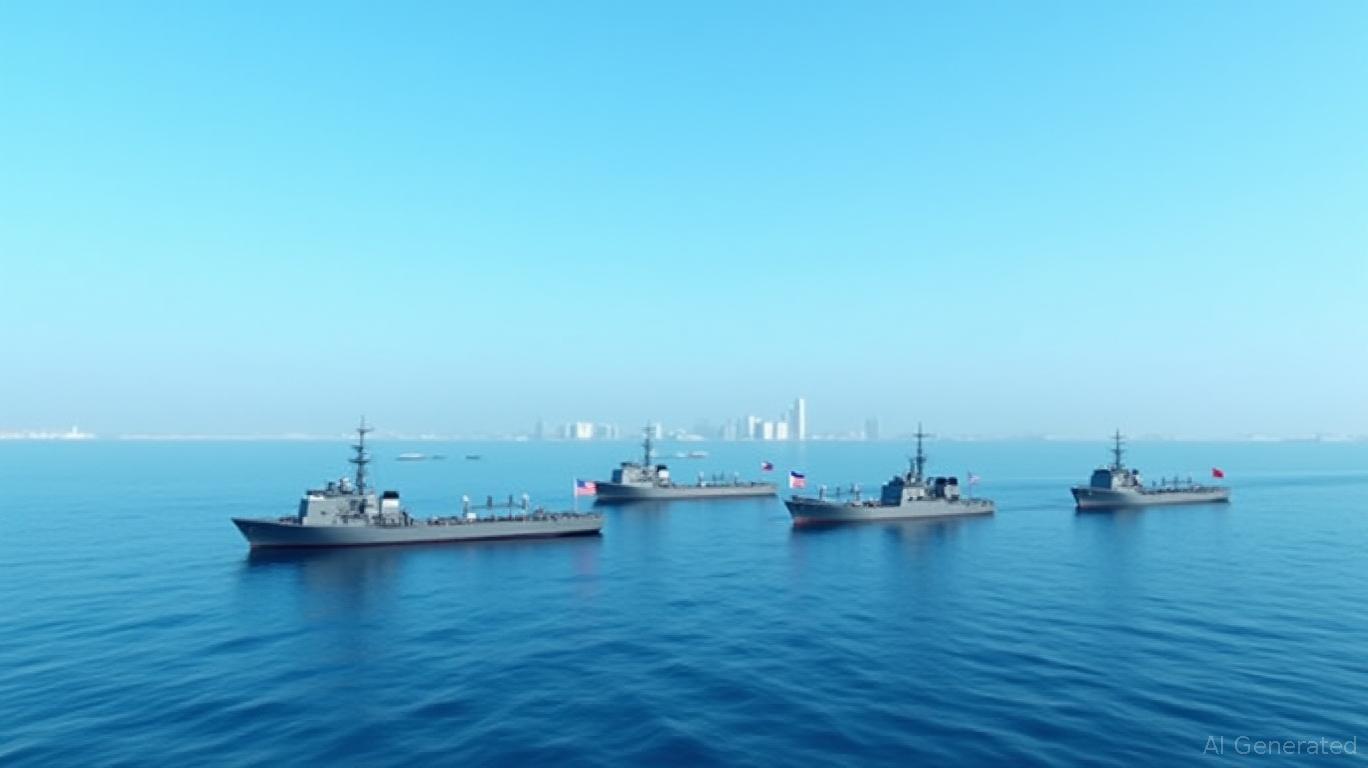
The seizure of the Iranian container ship Touska by U.S. forces in the Gulf of Oman has effectively scorched the earth for upcoming peace talks in Islamabad. Iran announced Monday it has no plans for negotiation, a direct response to what it terms "armed piracy" after the USS Spruance disabled the vessel's engine room with kinetic fire. This was not a routine boarding. By targeting the mechanical heart of a 900-foot commercial vessel, the U.S. signaled that the current naval blockade is no longer about observation, but about total maritime interdiction.
The immediate fallout is the collapse of a fragile two-week ceasefire scheduled to expire this Wednesday. While Washington initially framed the capture as a standard enforcement of Treasury sanctions, the timing suggests a deeper tactical play. Moving against a high-value asset like the Touska just hours before negotiators were set to meet in Pakistan has forced Tehran into a corner where domestic optics make diplomacy look like surrender. Discover more on a similar topic: this related article.
Beyond the Blockade
The official narrative from the White House focuses on the Touska’s history of "illegal activity" and its attempt to breach the naval blockade near the Strait of Hormuz. However, the use of a guided-missile destroyer to "blow a hole in the engine room" is a massive escalation in the rules of engagement. For years, maritime disputes in these waters involved "shadow war" tactics—limpet mines, drone strikes, or brief detentions. Now, the U.S. is using direct, disabling fire against civilian-flagged hulls.
This shift suggests that the U.S. is no longer interested in the "freeze-for-freeze" strategy that defined previous diplomatic efforts. By physically taking custody of the ship and its cargo, the U.S. has acquired a bargaining chip that it likely intends to use to force concessions on Iran’s regional missile program. But the strategy assumes Tehran will value the ship over its revolutionary posture. History suggests otherwise. Additional analysis by TIME delves into comparable perspectives on the subject.
The Islamabad Ghost Town
Pakistan’s Army Chief Asim Munir had spent weeks carving out a role as the middleman for this week's summit. Those efforts are now in tatters. The Iranian Supreme National Security Council has made it clear that they view the seizure as a ceasefire violation. When a nation’s merchant fleet is targeted with 5-inch naval guns, the "field of diplomacy" mentioned by Parliament Speaker Mohammed Bagher Qalibaf over the weekend narrows to a razor’s edge.
The U.S. negotiators heading to Islamabad will likely find themselves in empty rooms. Tehran’s refusal to attend is a calculated move to show that they will not negotiate under the "maximum pressure" of a kinetic blockade. It leaves the region in a dangerous vacuum where the only remaining language is military force.
The Economic Aftershock
Global markets reacted with predictable volatility. Oil prices, which had seen a brief respite after a temporary reopening of the Strait of Hormuz last Friday, surged on Monday morning. The closure of the waterway is once again a reality, and the "war risk" premiums for maritime insurance are reaching levels not seen since the tanker wars of the 1980s.
Shipping companies are now faced with a grim choice. They can risk the gauntlet of the Gulf of Oman, where U.S. destroyers and Iranian fast-attack boats are playing a lethal game of chicken, or they can reroute around the Cape of Good Hope. The latter adds 14 days to transit times and millions in fuel costs, a burden that will eventually land on the desks of global consumers already struggling with an energy crisis.
Retaliation is the Only Certainty
The Khatam Al-Anbiya central command has already vowed a "swift response." In the parlance of the Islamic Revolutionary Guard Corps (IRGC), this rarely means a formal legal challenge. It likely means asymmetric strikes. We should expect an increase in loitering munition attacks on regional energy infrastructure or the boarding of Western-linked tankers in the Persian Gulf.
The U.S. claims the Touska was a sanctioned vessel with a history of evading international restrictions. While technically true, the decision to engage it with live fire during a ceasefire window is a choice that prioritizes tactical dominance over strategic stability. It ignores the reality that in this region, every action triggers a mirrored reaction.
A Failed Roadmap
The roadmap for peace in 2026 was supposed to be built on mutual exhaustion. Both nations have suffered significant losses—over 3,000 dead in Iran and 13 U.S. service members killed in recent skirmishes. But exhaustion has not bred caution. Instead, it has led to a desperate attempt by both sides to land a decisive blow before the clock runs out on the current administration's patience.
The capture of the Touska isn't just a win for the U.S. Treasury or a loss for Iranian logistics. It is the definitive end of the current diplomatic cycle. By choosing the gun over the table, the participants have ensured that the next few months will be defined by smoke and saltwater rather than ink and paper. The ceasefire is dead in everything but name.
Prepare for a long, hot summer in the Arabian Sea.