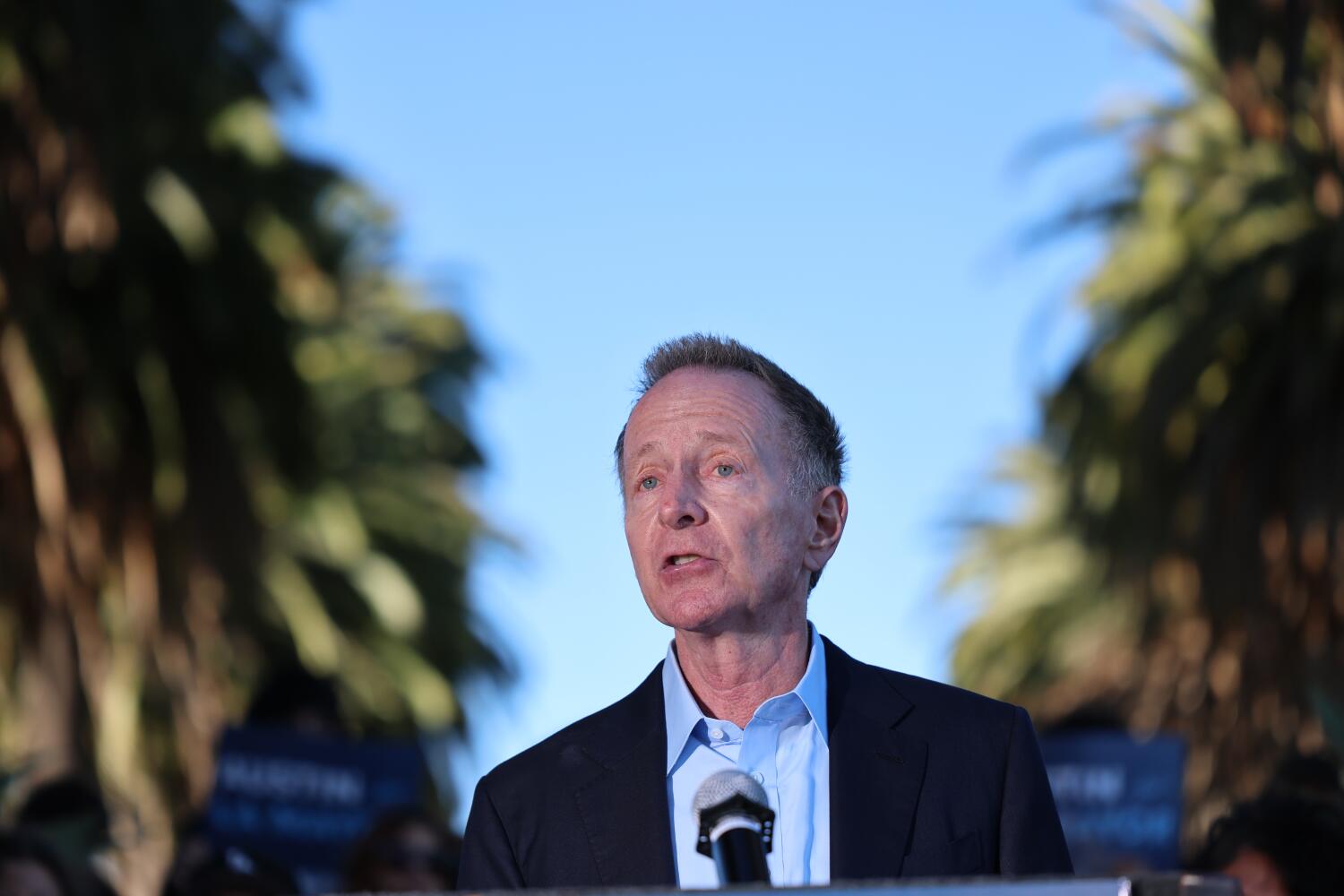
The upcoming California gubernatorial debate at USC was supposed to be the moment voters finally got a look at the field. Instead, it’s turning into a PR nightmare that exposes the messy underbelly of political "viability." Four major Democratic candidates—Xavier Becerra, Antonio Villaraigosa, Betty Yee, and Tony Thurmond—just got bunted to the sidelines. Their response? A call for a total boycott.
It’s a bold move. They’re asking their rivals, including front-runners like Katie Porter and Tom Steyer, to refuse to take the stage on March 24. Honestly, it’s not just about hurt feelings. It’s about a "viability formula" that feels more like a gated community than a democratic process.
Why the USC Debate Lineup Is Breaking California Politics
The controversy centers on a specific math problem. To trim the crowded field, USC and its media partners (ABC7 and Univision 34) used a custom formula. It weighed fundraising and polling to decide who’s "real" enough to talk to you on TV. The result? A stage featuring six candidates: Katie Porter (D), Tom Steyer (D), Matt Mahan (D), Eric Swalwell (D), Steve Hilton (R), and Chad Bianco (R).
Notice a pattern? Every single candidate of color was cut.
Becerra, a former U.S. Health Secretary and California Attorney General, isn't holding back. He sent a blistering letter to USC President Beong-Soo Kim calling the criteria "patently arbitrary." He's got a point. When you look at the numbers, the math starts to look a bit fuzzy. For instance, San Jose Mayor Matt Mahan made the cut despite being a late entry with lower polling than some of the excluded veterans. Mahan’s secret sauce? Millions in Silicon Valley cash.
The Wealth Gap in Political Viability
If you're running for governor in 2026, the message from USC seems to be: show us the money or stay home. By weighting fundraising so heavily, the debate organizers essentially handed a microphone to the candidates with the deepest donor networks.
- Tom Steyer is a billionaire.
- Matt Mahan has the backing of tech titans.
- Katie Porter is a fundraising machine.
Meanwhile, candidates like Betty Yee and Tony Thurmond, who have spent years in statewide office, are being told their experience doesn't outweigh a light bank account. Villaraigosa’s team even pointed out that he actually leads some of the "invited" candidates in recent polling and total fundraising through mid-February. If the goal was to show voters the most qualified leaders, the "viability" metric failed the smell test.
A Boycott Only Works if the Big Names Jump
Will Porter or Steyer actually skip the debate? Probably not. Politics is a game of leverage, and the front-runners rarely give up a televised podium out of the goodness of their hearts. However, the optics are getting uglier by the hour.
Mahan, to his credit, issued a statement saying everyone should be included, but he hasn't pulled out yet. If the stage remains all-white in one of the most diverse states in the union, the "winner" of the debate might end up losing the optics war before they even say a word.
This isn't just a spat between politicians. It’s a preview of how the primary will be fought. If the establishment can successfully "formula" away candidates of color before the first vote is cast, it changes the entire trajectory of the race.
What You Should Watch For Next
The clock is ticking toward the March 24 broadcast. If you care about who runs this state, keep an eye on these specific developments:
- Pressure on Univision: Since Univision 34 is the Spanish-language partner, the exclusion of Latino heavyweights like Becerra and Villaraigosa is a massive blow to their core audience. Expect intense community pressure on the network to demand a format change.
- The "Underdog" Forum: Watch for the excluded four to host their own counter-event. If they can pull a decent audience online, they might prove the "viability" formula was wrong from the start.
- The Porter Factor: As the perceived Democratic front-runner, Katie Porter’s silence or support for the boycott will define her "progressive" credentials for the rest of the cycle.
If you want a truly representative government, pay attention to who isn't being allowed to speak. You should check the updated polling data from the Public Policy Institute of California (PPIC) to see if these "excluded" candidates are actually as "unviable" as the debate organizers claim.