The era of one or two nations calling the shots for everyone else is over. If you look at the map of 1945, you see a world that doesn't exist anymore. Back then, India was a colony. China was ravaged by war. The United States was the only industrial power left standing. Today, the reality is flipped. India is the most populous nation on earth. China's economy rivals the US in every meaningful metric. Yet, our global institutions act like it’s still the middle of the last century.
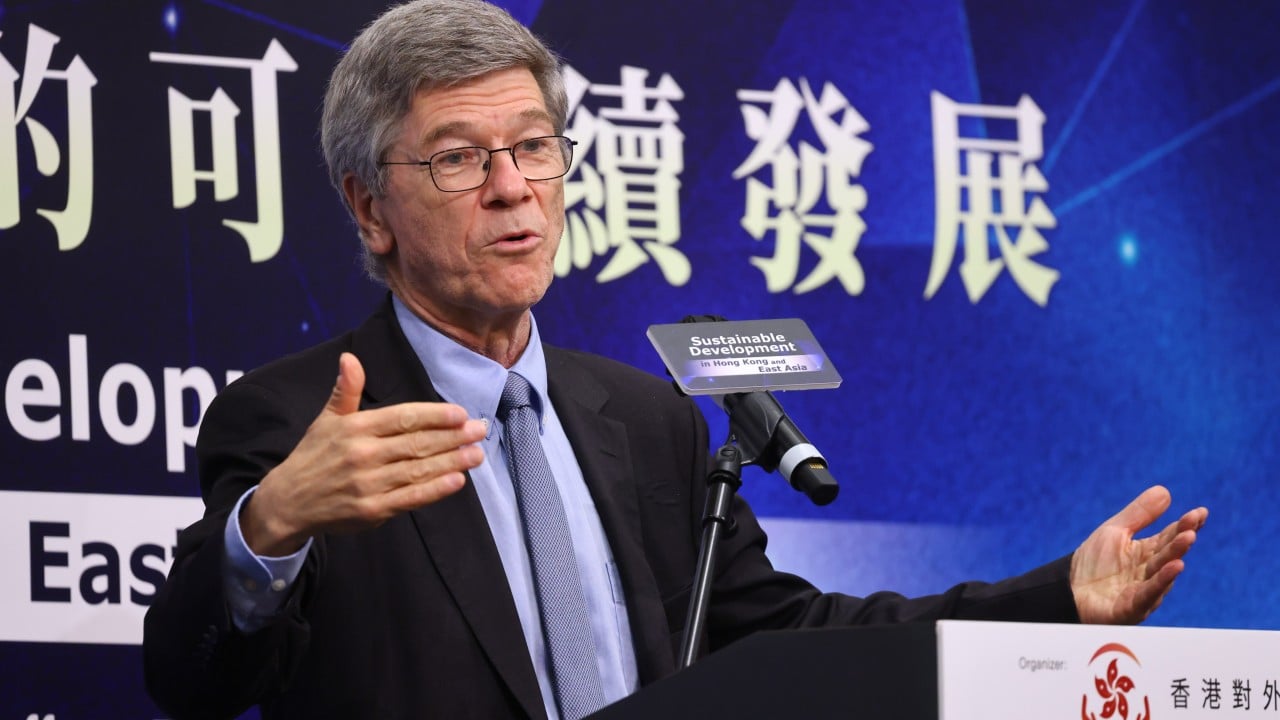
Jeffrey Sachs, the Columbia University economist and long-time UN advisor, isn't just complaining about this. He's sounding an alarm. He argues that the United States needs to stop trying to run the world through "regime change" and start making the United Nations functional again. It isn't about charity. It's about survival in a world that has become multipolar whether Washington likes it or not.
The Global South is No Longer an Afterthought
For decades, the "Global South" was a term used for countries that received aid. Now, these nations are the ones driving growth. India has overtaken China in population and is consistently the fastest-growing major economy. China has built a technological infrastructure that the West is now frantically trying to keep up with.
Sachs points out a glaring hypocrisy in how the UN Security Council is structured. You have five permanent members—the US, UK, France, Russia, and China—who hold veto power. This "P5" club was a snapshot of the victors of World War II. But where is India? Where is Brazil? Where is the African Union?
Giving India a permanent seat isn't just a nice gesture. It’s a requirement for the UN to stay relevant. If 1.4 billion people aren't represented at the top table, they’ll simply build their own tables. We’re already seeing this with the expansion of BRICS and the rise of regional trade blocs that bypass the US dollar.
Why the US Strategy of Isolation is Failing
Lately, the US has leaned heavily into tariffs and sanctions. We've seen 25% to 50% tariffs slapped on Indian goods over oil imports from Russia. Sachs calls these moves "stupid as could be." Why? Because they don't actually change the behavior of these large nations. They just alienate allies and push them closer to competitors.
The US often treats India as a pawn to use against China. But India isn't interested in being anyone's junior partner. Its leaders follow a policy of strategic autonomy. They want to trade with the US, yes, but they also want to cooperate with China on green energy and AI.
The real danger, according to Sachs, is the "divide and conquer" mentality. Washington often tries to pit neighbors against each other to maintain a foothold in a region. We see this in the South China Sea and in the Himalayas. Sachs’s advice to India and China is simple: get along. The biggest threat to their stability isn't each other; it’s the external pressure trying to force them into opposing camps.
The Push for UN 2.0
What does a "Great" United Nations actually look like? Sachs isn't talking about the current version where the US can veto any resolution it doesn't like. He’s calling for "UN 2.0."
- Reform the Security Council: Add India, Japan, Germany, and representatives from Africa and Latin America.
- End Unilateral Sanctions: Move toward a system where economic measures require broad international consensus, not just the signature of one president.
- Regional Cooperation: Focus on "neighborhood" issues—shared rivers, shared power grids, and shared ecosystems.
The US has spent decades involved in what Sachs estimates are nearly 100 attempted regime changes. From Venezuela to the Middle East, these interventions almost always lead to chaos. A functional UN would act as a check on this kind of unilateralism. It would force nations to use law instead of bombs.
Moving Toward a Multi-Currency World
The "exorbitant privilege" of the US dollar is fading. When the US uses the dollar as a weapon—cutting countries off from the SWIFT system or freezing central bank reserves—other nations take notice. They start looking for alternatives.
We are heading toward a multi-currency world. Digital currencies and new payment systems are making it easier for India and China to trade in rupees or yuan. The IMF, which has long been dominated by the US, will have to adapt. It needs to become a multi-centered institution that doesn't just "call the shots" from Washington.
How to Navigate This Shift
If you’re a business leader or a policymaker, you can't ignore these shifts. The old "West vs. East" binary is dead.
- Diversify Partnerships: Don't bet everything on US-led supply chains. Look toward ASEAN, Africa, and the growing BRICS network.
- Focus on Technology Collaboration: The next breakthroughs in solar, battery tech, and AI are likely to come out of the India-China corridor.
- Support Multilateralism: Advocate for international standards and laws over trade wars.
The goal shouldn't be for one nation to "win." It should be to build a system where the world’s biggest players can coexist without blowing each other up. Making the UN "great" again is the only way to ensure that the next century isn't defined by a series of avoidable catastrophes.
Start by looking at your own supply chains and international partnerships. If they're heavily weighted toward one geopolitical bloc, it's time to rebalance. Focus on building ties in the Global South, especially in India and Southeast Asia, where the real growth is happening.