The recent escalation in the Middle East has done more than just spike oil prices—it’s effectively handed the keys to the global energy future to China. While Western analysts focus on the $100 barrel, the real story is happening in the battery gigafactories of Ningde and Changzhou. As the Iran conflict shuts down the Strait of Hormuz and sends LNG prices into a tailspin, the world isn't just looking for new oil. It’s looking for a way out of the fossil fuel trap entirely.
Fitch Ratings recently pointed out something that should make every Western policymaker lose sleep. China’s battery giants, led by CATL and BYD, are the primary beneficiaries of this chaos. It’s not just about selling cars anymore. The demand for massive, grid-scale Battery Energy Storage Systems (BESS) is exploding because energy security is no longer a "nice to have" environmental goal. It’s a survival strategy.
The Death of the Fossil Fuel Safety Net
For decades, gas-fired "peaker" plants were the insurance policy for the world's electricity grids. If wind or solar dropped off, you just cranked up the gas. That plan falls apart when your gas supply is tied to a shipping lane that’s currently a combat zone.
Since the strikes in late February 2026, we’ve seen a massive shift in how countries think about their power mix. Natural gas imports to East Asia fell by 11% in March alone. If you're Japan, Taiwan, or South Korea, you can't just drill more. You have to store what you have and capture every electron from your renewables. This is where China’s dominance in Lithium Iron Phosphate (LFP) technology becomes a geopolitical weapon.
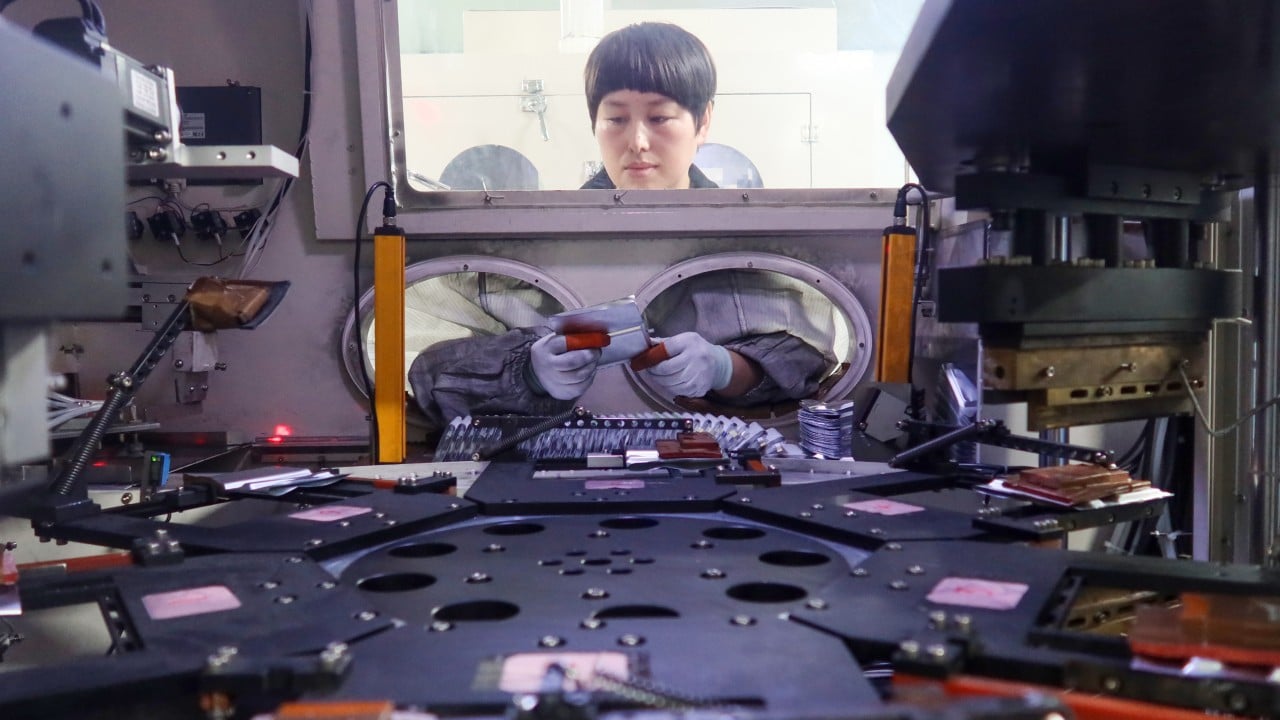
LFP batteries are the workhorse of energy storage. They don't use cobalt, they’re harder to set on fire, and they’re significantly cheaper than the nickel-based batteries found in high-end EVs. China owns this supply chain. They don't just make the batteries; they refine the materials and build the integrated systems. While the West tries to de-risk, the sheer math of the Iran conflict is forcing a re-coupling with Chinese tech.
Why Oil Stocks are Losing to Battery Makers
The market isn't stupid. Since the conflict began, share prices for Chinese battery firms have left Big Oil in the dust. While companies like Shell and BP saw modest gains from rising crude prices, CATL and Sungrow surged by nearly 20% in a matter of weeks.
Investors are betting that this isn't a temporary spike. Even if a ceasefire happened tomorrow, the psychological damage is done. The volatility of the last few months proved that relying on "just-in-time" energy from the Middle East is a gamble that most economies can't afford to take.
The Numbers Behind the Surge
- 178 GWh: China's total battery output in March 2026, a 50% jump year-on-year.
- 130%: The increase in Chinese large-scale storage exports in the first quarter of 2026.
- $70 Billion: The approximate market cap added by China’s top battery players since the start of the conflict.
This isn't just "incremental growth." It’s a total reshaping of the demand curve. Companies like Guangzhou Great Power are reporting that their export production lines are running at full capacity just to handle the overflow of orders from Europe and Australia.
The AI Factor No One is Talking About
There’s a hidden driver here: the AI boom. You can’t run a massive data center on "maybe" power. These facilities need backup power that can kick in within milliseconds. The Iran conflict has made the grid less stable globally, making these data centers even more desperate for localized storage.
China is already moving to capitalize on this. CATL is patenting sulphide-based solid-state batteries with energy densities of 500 Wh/kg. They aren't just building bigger batteries; they’re building smarter, more dense ones that fit the specific needs of the tech sector. By the time Western startups scale up their solid-state production in the 2030s, China will likely have already locked up the long-term contracts for the world's largest data hubs.
The Protectionist Wall is Cracking
Governments in the US and EU have spent the last two years trying to build walls around their battery industries. They’ve used tariffs, "battery passports," and local content requirements to slow China down. But when your industry is facing a 400% surge in thermal power costs because of a war, those "Made in Europe" requirements start to look like an expensive luxury.
Fitch notes that while trade fragmentation is a constraint, it’s also pushing Chinese firms to be more aggressive with Foreign Direct Investment (FDI). They aren't just shipping crates from Shanghai anymore. They’re building plants in Southeast Asia and even Europe to bypass the very tariffs designed to stop them.
What Happens When the Rebates Stop?
There’s a ticking clock here. China plans to phase out export tax rebates for battery systems at the end of 2026. Usually, that would cause a slump in exports. However, the energy security panic has created such a massive backlog of demand that the "cliff" everyone expected is effectively being filled in.
If you’re a buyer, the move is clear: you lock in your storage capacity now. The economic case for "solar-plus-storage" has finally crossed the line where it’s cheaper than fossil fuels in almost every emerging market.
Moving Fast in a Volatile Market
If you're waiting for battery prices to drop further or for a "safer" supply chain to emerge, you're missing the window. The Middle East crisis has accelerated the timeline by at least five years.
- Stop viewing storage as a luxury. It’s now a core infrastructure requirement for any commercial or industrial operation that wants to survive the next decade of energy volatility.
- Diversify your tech, not just your supplier. Look into LFP for cost-effective mass storage, but keep an eye on the solid-state patents coming out of China for your high-performance needs.
- Front-load your procurement. With the Chinese tax rebate phase-out approaching and raw material costs likely to rebound as demand peaks, the cheapest time to buy is yesterday.
The reality is uncomfortable, but it's simple. The war in the Middle East didn't just break the energy market; it fixed the spotlight on who actually controls the future of power. Right now, that’s China.