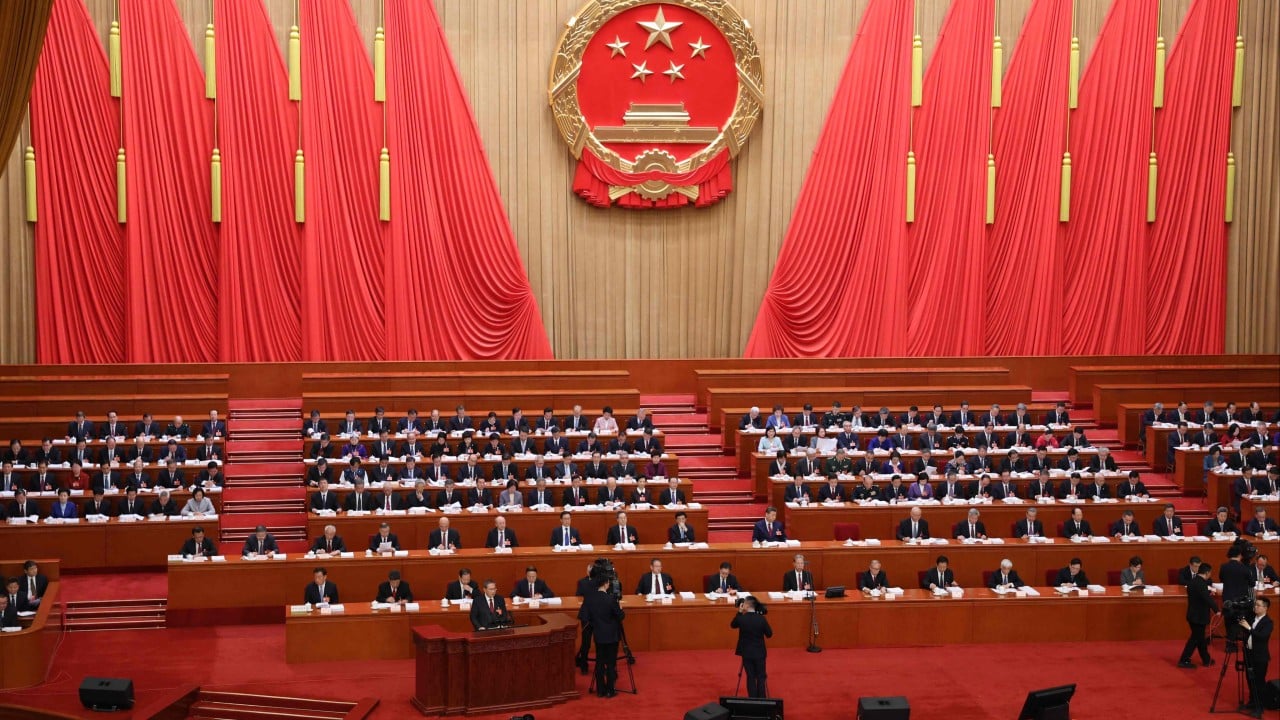
The 14th Five-Year Plan (FYP) represents a departure from the historical obsession with headline GDP expansion, replacing it with a sophisticated matrix of 20 primary indicators designed to re-engineer the Chinese economy. While international observers often focus on the absence of a hard GDP target for the 2021–2025 period, the plan actually introduces a more rigid set of constraints. By shifting from a volume-based growth model to a quality-based constraint model, Beijing is attempting to solve the "middle-income trap" through state-led technological self-reliance and aggressive decarbonization. The success of this transition depends on three systemic shifts: the transition of R&D from application to fundamental science, the institutionalization of "common prosperity" as a consumption driver, and the integration of carbon intensity into the evaluation of provincial officials.
The Taxonomy of the 20 Binding and Anticipatory Targets
The 14th FYP categorizes its objectives into five distinct domains: economic development, innovation-driven development, social welfare, environmental sustainability, and security. Understanding the distinction between "binding" (obligatory) and "anticipatory" (expected) targets is critical for assessing where the central government will deploy its ultimate political capital.
Economic and Innovation Efficiency
The 14th FYP does not ignore growth; it recalibrates the inputs of growth. The plan mandates that Research and Development (R&D) expenditure must increase by more than 7% annually. More importantly, it specifies that basic research must reach 8% of total R&D spending. This is a direct response to the "chokepoint" technologies—semiconductors, aviation engines, and biotechnology—where China remains dependent on Western intellectual property.
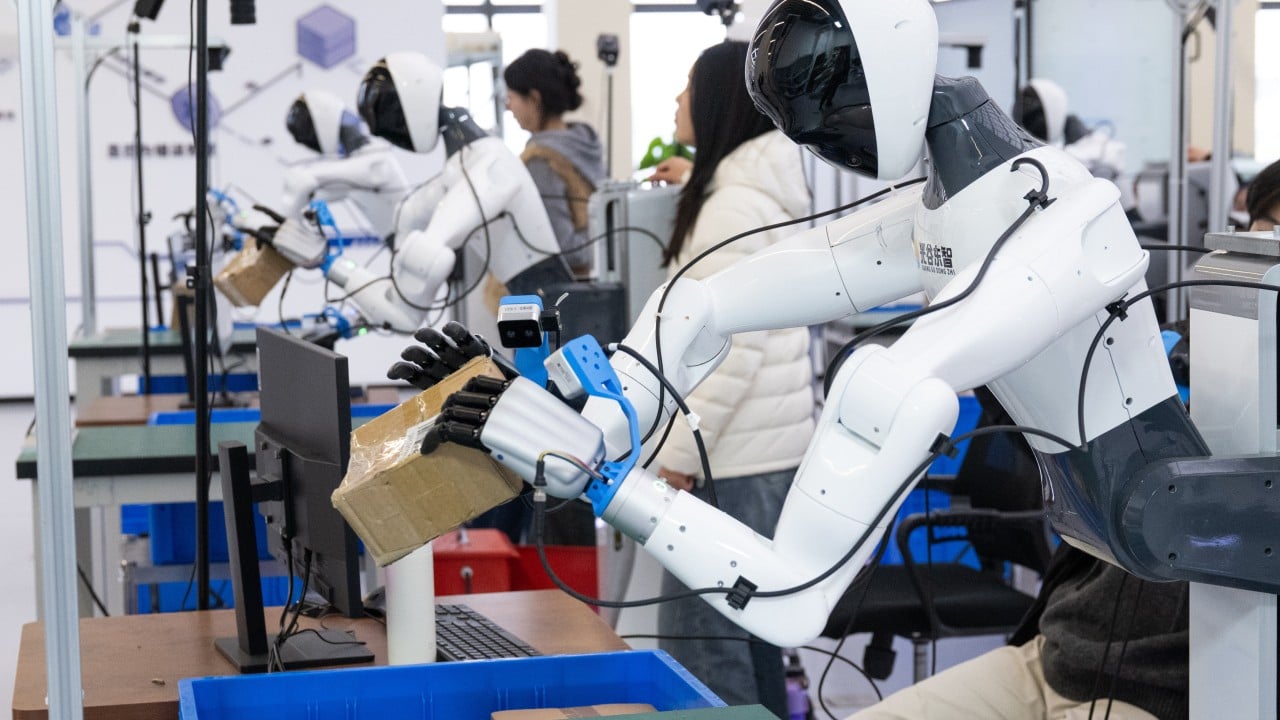
Labor productivity is set to grow faster than GDP, signaling a move away from the "demographic dividend" which has largely exhausted its potential. As the working-age population shrinks, the state is betting on "digitalization of industry" to maintain output. The target for the "value-added of core digital economy industries" to reach 10% of GDP by 2025 serves as the primary metric for this transition.
The Decarbonization Constraint Function
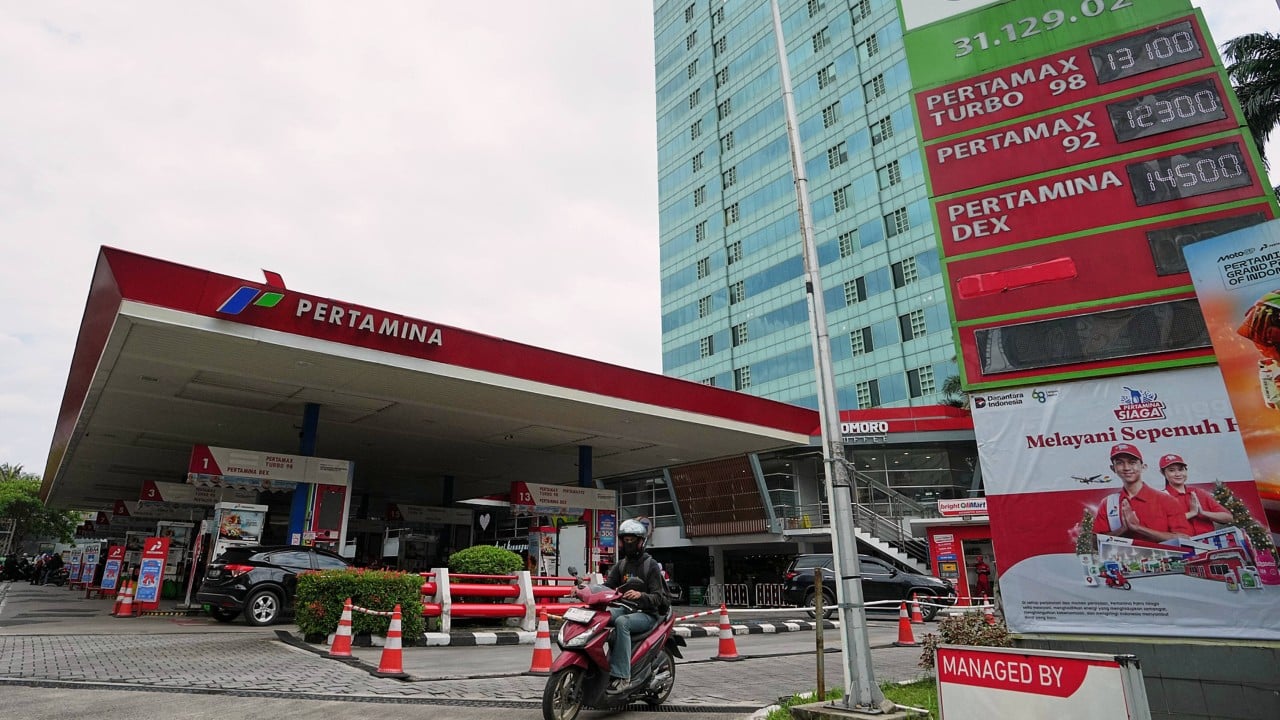
Environmental targets are the most rigid "binding" elements of the plan. Beijing has committed to an 18% reduction in CO2 intensity (carbon emissions per unit of GDP) and a 13.5% reduction in energy intensity. Unlike the GDP growth target, which is now described as "within a reasonable range," these environmental figures are hard caps.
This creates a new operational reality for heavy industry. Local governments are no longer rewarded solely for building factories; they are penalized if those factories exceed the localized energy quota. This "Dual Control" system—controlling both total energy consumption and energy intensity—functions as a de facto shadow price on carbon, forcing capital toward higher-efficiency sectors.
The Logic of Endogenous Growth and Dual Circulation
The "Dual Circulation" strategy is the theoretical foundation of the 14th FYP. It posits that "Internal Circulation" (domestic production and consumption) must become the primary engine of growth, while "External Circulation" (foreign trade and investment) remains a secondary, reinforcing element.
Resolving the Consumption Bottleneck
For Internal Circulation to function, China must address its chronically low household consumption, which sits at roughly 38% of GDP—significantly lower than the global average of 60%. The 14th FYP attempts to solve this through the "Common Prosperity" framework, which focuses on:
- Income Distribution: Narrowing the gap between urban and rural residents through "tertiary distribution" (philanthropy) and tax reform.
- Social Safety Nets: Expanding the "binding" target for basic pension insurance participation to 95%. By reducing the need for "precautionary savings" among the middle and lower classes, the state hopes to unlock liquid capital for domestic consumption.
- Urbanization 2.0: The target of 65% urbanization is no longer just about moving people to cities; it is about the "hukou" (household registration) reform, granting migrant workers equal access to urban services, thereby normalizing their consumption patterns with those of established urbanites.
The Security-Development Nexus
Security has been elevated to a standalone pillar, reflecting an assessment of high geopolitical volatility. This is quantified through "Grain Security" and "Energy Security." The plan sets a binding target for grain production capacity to remain above 650 million tonnes annually. In energy, the focus is on a "diversified supply system," increasing the non-fossil fuel share of primary energy consumption to approximately 20%. These are defensive measures intended to insulate the domestic economy from supply chain weaponization or maritime blockades.
Structural Challenges to Implementation
The transition outlined in the 14th FYP faces three primary friction points that could derail the planned trajectory.
The Local Government Debt Overhang
The 14th FYP requires massive investment in "New Infrastructure" (5G, AI, data centers). However, the traditional vehicle for Chinese infrastructure investment—Local Government Financing Vehicles (LGFVs)—is burdened with debt levels exceeding 50 trillion RMB. The central government’s insistence on deleuraging the property sector (the "Three Red Lines" policy) has simultaneously stripped local governments of land-sale revenue, their primary source of debt servicing. This creates a liquidity trap where the state mandates high-tech investment while removing the fiscal tools previously used to fund it.
The Basic Research Lag
Transitioning from 6% to 8% of R&D spent on basic research sounds incremental, but it requires a fundamental shift in the nation's educational and corporate culture. Chinese innovation has historically excelled at "iterative innovation"—improving existing processes or business models (e.g., mobile payments, high-speed rail). Fundamental science requires a tolerance for long-term failure and decentralized inquiry, which often sits in tension with the 14th FYP’s preference for "concentrating resources to do big things" (the "New Whole-of-Nation System").
Demographic Headwinds
The 14th FYP was drafted just as China’s population began its absolute decline. While the plan focuses on increasing the "retirement age" gradually, the political sensitivity of this move has slowed implementation. The dependency ratio—the number of retirees supported by the working-age population—is shifting faster than the productivity gains can currently offset. This places an immense burden on the "social welfare" targets of the plan, potentially cannibalizing funds intended for high-tech R&D.
Strategic Realignment for Market Participants
The 14th FYP signals a permanent shift in how capital should be allocated within the Chinese market. The era of "blind expansion" in consumer internet, private tutoring, and real estate is over, as these sectors are now viewed as "disorderly expansion of capital" that contributes little to the core strategic goals of the state.
Identifying the Policy Tailwind
Investors and corporate strategists must align with the "Binding" indicators. Firms operating in the "Green Transition" (EV supply chains, hydrogen, carbon capture) and "Industrial Upgrading" (industrial software, high-end CNC machines, new materials) are the primary beneficiaries of the 14th FYP’s credit allocation. State-owned banks have been directed to prioritize "Manufacturing Medium-to-Long Term Loans," effectively subsidizing the CAPEX of companies that help hit the plan’s innovation targets.
Navigating the Regulatory Frontier
The regulatory crackdown seen in 2021-2023 was not an isolated event but a structural alignment with the 14th FYP. Data security and anti-monopoly measures are the tools used to ensure that the "Digital Economy" serves the manufacturing base rather than just facilitating rent-seeking in the service sector. Companies must now quantify their contribution to "Common Prosperity"—whether through rural revitalization programs or improved labor protections for "gig economy" workers—to maintain their social license to operate.
The 14th Five-Year Plan is a blueprint for a "fortress economy"—one that is technologically independent, socially stable, and ecologically sustainable. It accepts slower growth as a necessary trade-off for systemic resilience. The primary risk remains whether the state’s top-down allocation of capital can generate the "total factor productivity" gains required to outrun the looming demographic and debt crises.
To operate successfully under this regime, move capital away from sectors that rely on high leverage or consumer data exploitation. Instead, pivot toward "hard tech" manufacturing and specialized services that address the 18% carbon intensity reduction target. The most valuable assets in the 2021–2025 period are those that sit at the intersection of "industrial digitalization" and "import substitution."