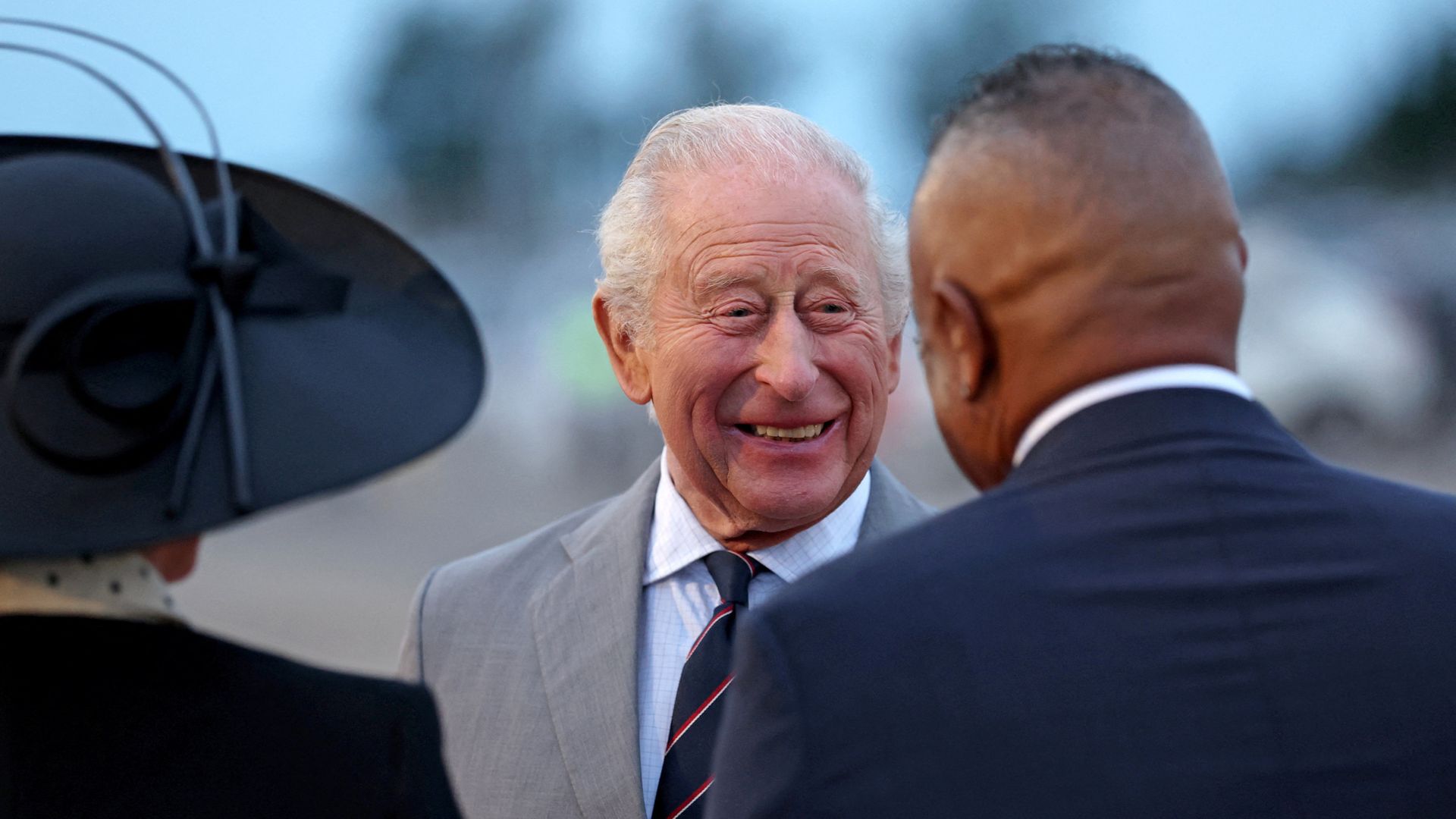
The King landed in Bermuda, the cameras flashed, and the press corps dutifully churned out the same tired narrative of "strengthening ties" and "diplomatic continuity." They want you to believe this is a strategic chess move following a high-stakes US state visit. It isn't. It is an expensive, taxpayer-funded victory lap for a brand that is rapidly losing its market share in the modern geopolitical arena.
While the mainstream media obsesses over the shade of the carpet or the precision of the military honors, they miss the cold, hard reality: Bermuda isn’t a strategic stopover. It is a fragile relic of an empire that no longer exists, and this visit is a desperate attempt to ignore the looming threat of republicanism that is currently sweeping the Caribbean.
The Sovereignty Myth
The "lazy consensus" suggests these visits bolster the Commonwealth. I’ve sat in rooms with policy advisors who admit, behind closed doors, that these tours often have the opposite effect. They act as a catalyst for local sovereignty movements. Every time a royal foot touches the tarmac in a British Overseas Territory, it serves as a glaring reminder of a colonial hierarchy that feels increasingly dissonant in 2026.
Look at the data the tabloids ignore. Support for the monarchy across the remaining territories is not a static monolith. It is a decaying asset. By showing up with the pomp and pageantry of the 1950s, the Crown isn't "honoring" the local population; it’s providing a visual centerpiece for protestors who are quite rightly asking why a billionaire from London is the symbolic head of their internal affairs.
The State Visit Fallacy
The press frames the jump from Washington to Hamilton as a seamless transition of power and influence. It’s a category error. A US state visit is about hard power—trade deals, defense pacts, and the brutal reality of realpolitik. A visit to Bermuda is about soft power that has gone soft.
- The US Visit: Focuses on AI regulation, NATO obligations, and economic blocs.
- The Bermuda Stop: Focuses on tree planting, plaque unveiling, and handshaking.
To equate the two is to fundamentally misunderstand how global influence works today. The King is not a diplomat; he is a historical mascot. When we pretend this itinerary has a cohesive geopolitical goal, we are participating in a collective delusion. The "special relationship" with the US doesn't need a royal intermediary, and Bermuda’s economic survival depends more on international tax compliance and insurance markets than it does on a royal warrant.
The Cost of the Performance
Let’s talk about the money. Not the "estimated" costs provided by the Palace, but the actual operational drain on local resources. Having managed large-scale logistics for high-profile events, I can tell you that the security overhead alone for a royal visit can gut a small territory's quarterly discretionary budget.
We are talking about:
- Massive police overtime that pulls officers off actual crime prevention.
- Infrastructure "beautification" that ignores the long-term needs of the locals.
- The disruption of commerce in the capital to accommodate a motorcade.
Imagine a scenario where the millions spent on this three-day photo op were instead injected directly into Bermuda's renewable energy grid or coral reef preservation. The tangible benefit to the island would be measurable. Instead, the "benefit" is a set of high-resolution photos that will be forgotten by the next news cycle. It is a classic case of prioritizing optics over outcomes.
Bermuda as a Tax Haven, Not a Throne Room
The elephant in the room that the competitor's article failed to mention is Bermuda’s status as a global financial hub. The King's presence provides a "respectability" wash for an island that is often under fire for its tax structures. This isn't just a friendly visit; it’s a branding exercise.
The Crown provides a veneer of British legal stability that attracts offshore capital. But this is a double-edged sword. As the UK government faces increasing pressure to force transparency on its overseas territories, the King's visit looks less like a gesture of friendship and more like a landlord checking on his most controversial property.
If you want to understand the true intent of this visit, stop looking at the King. Look at the entourage of business interests following in his wake. The monarchy is the ultimate loss leader for British financial influence.
The Republic is Inevitable
The "People Also Ask" sections of the web are filled with questions about whether Bermuda will stay British. The honest answer is that the current arrangement is on life support. Barbados broke away. Jamaica is signaling the exit. Bermuda’s unique economic position makes its path more complex, but the momentum is moving in only one direction.
The mistake most analysts make is thinking that royal visits delay this process. They don’t. They accelerate the conversation. When the King speaks of "shared history," the locals hear "unpaid debts." When he speaks of "common futures," they hear "limited autonomy."
The contrarian truth? This visit isn't the start of a new chapter. It’s the epilogue. The King knows it, the Bermudian government knows it, and the only people who don't seem to get it are the journalists writing fluff pieces about royal fashion and formal dinners.
Stop Buying the Fairytale
If you are reading the news to understand the world, you have to strip away the sentimentality. The King landing in Bermuda is a logistical feat, a PR exercise, and a historical curiosity. It is not a significant diplomatic event.
We need to stop evaluating these visits based on how many people waved flags and start looking at the shifting legal and economic ties that actually dictate the lives of the people in these territories. The monarchy is a business in the middle of a radical restructuring. These tours are the equivalent of a failing retail chain spending its last remaining cash on a shiny new storefront while the warehouse is empty.
The real story isn't that the King arrived. The real story is that he still feels he has to.
Pack up the flags. Stop the fawning coverage. The crown is heavy, but the weight isn't from the gold—it's from the irrelevance.