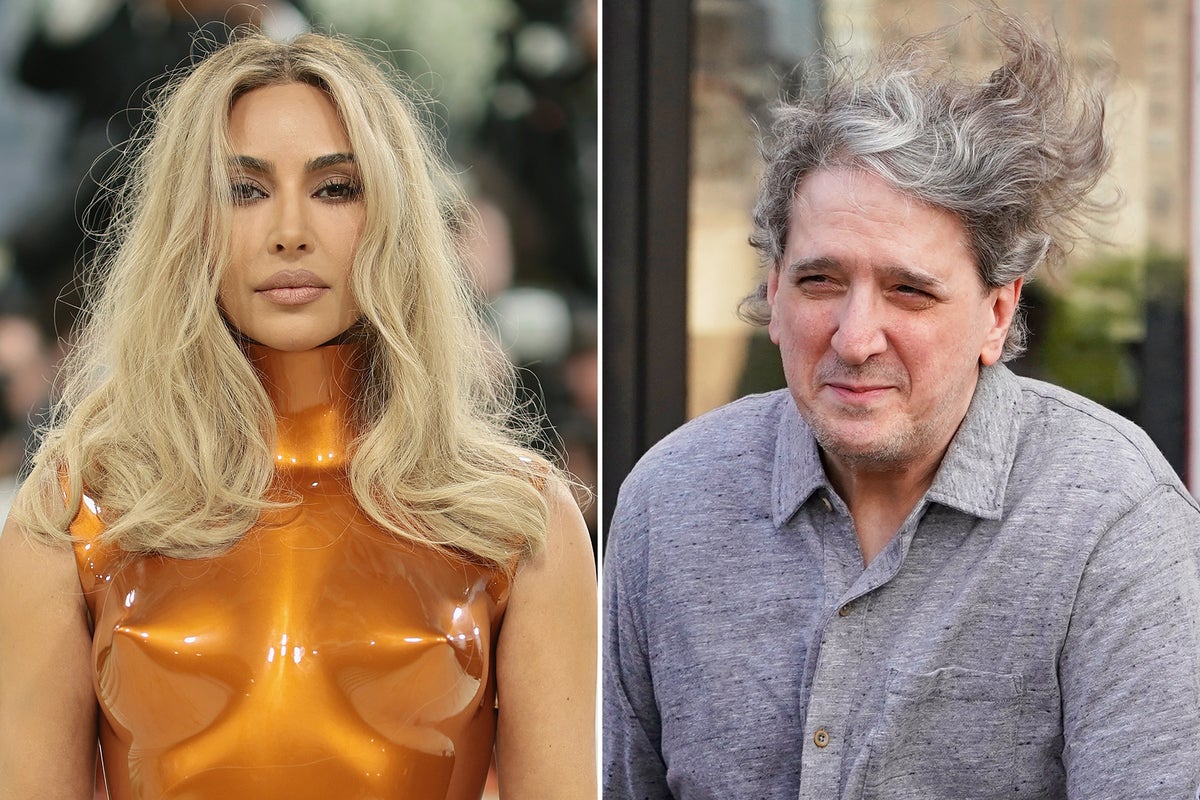
The announcement that Ciara Miller and Maura Higgins are joining the Dancing With the Stars (DWTS) roster isn’t the casting coup the trade rags want you to believe it is. It’s a white flag. It’s a loud, glittery admission that the pipeline for genuine celebrity has run dry, replaced by a circular economy of reality TV leftovers who specialize in being famous for being nearby.
For years, the "industry consensus" has framed these casting moves as a brilliant play for younger demographics. The logic is lazy: Love Island and Summer House have cult followings; therefore, casting their breakout stars guarantees a fresh audience. This is a fundamental misunderstanding of how digital-native fandom works. You aren't "capturing" an audience; you’re renting a fleeting spike in social media engagement that never translates into long-term viewership.
The Reality TV Ouroboros
We have entered the era of the Reality TV Ouroboros—the snake eating its own tail. In the old world, DWTS was a career resuscitator for fading A-listers or a victory lap for Olympic gold medalists. There was a hierarchy. You did the work, you earned the fame, and eventually, you did the Paso Doble for a paycheck.
Now, the barrier to entry hasn't just been lowered; it’s been demolished. Ciara Miller and Maura Higgins represent a specific brand of "professional cast member." They are incredibly good at what they do—which is navigating the manufactured drama of unscripted television—but they are products of a niche ecosystem.
When you cast from the Bravo or ITV stable, you aren't expanding the brand. You are preaching to a shrinking choir. The "crossover" appeal is a myth sold by talent agents to network executives who are terrified of a world where TikTok metrics mean more than Nielsen ratings.
The Myth of the "Voter Base"
The most egregious error in the current DWTS strategy is the assumption of "voter loyalty." Industry insiders love to point to the massive Instagram followings of stars like Higgins. They see 3.8 million followers and see a guaranteed winner.
I’ve seen networks burn through eight-figure marketing budgets chasing these "built-in audiences," only to find that double-tapping a bikini photo on a phone screen requires significantly less effort than actually tuning into a linear broadcast and voting. There is a massive disconnect between passive consumption and active participation.
- Passive Consumption: Scrolling through Maura Higgins' grid while waiting for a latte.
- Active Participation: Investing two hours a night in a ballroom competition and navigating the voting portal.
The data suggests that reality TV fans are loyal to the chaos, not necessarily the person. When you strip a reality star of their natural habitat—the villa, the Hamptons house, the wine-throwing dinner party—and put them in a spandex outfit doing a synchronized Jive, the magic evaporates. You’re left with a contestant who lacks the technical skill of an athlete and the name recognition of a legacy star.
The Professionalization of Being "Real"
Let’s talk about the "personality" trap. The standard defense for casting Miller or Higgins is that they "bring the drama." This is a fundamental misunderstanding of the DWTS format. The show isn't built for drama; it's built for the Narrative of the Journey.
Reality stars are too polished for the "Journey." They already know their angles. They know how to give a confessional that sounds authentic but is actually a rehearsed soundbite. When Ciara Miller talks about the "challenge" of learning a Waltz, she’s doing it with the practiced ease of someone who has spent years performing for cameras.
The audience can smell the artifice. The most successful contestants in the history of this show have been the ones who were genuinely out of their element—the retired NFL players or the 80s sitcom stars who had something to prove. You cannot "prove" anything when your entire career is a series of choreographed appearances.
The Devaluation of the Mirrorball
By leaning so heavily into the reality star archetype, the show is devaluing its own currency. If anyone with a high enough engagement rate on a dating show can get a spot, then the spot ceases to be prestigious.
This isn't just about DWTS. This is a systemic issue across the entertainment industry. We are substituting influence for talent, and the two are not interchangeable. Influence is a commodity; talent is a resource. You can buy influence by casting a reality star, but you can’t use it to build a lasting piece of entertainment.
Consider the technical mechanics of the show. The scoring system—a mix of judge points and fan votes—is increasingly skewed. When you have "professional fans" from the Love Island universe flooding the lines, the actual quality of the dance becomes secondary. This turns the competition into a popularity contest for people who are already professionally popular. It’s redundant.
Stop Chasing the "Influencer" Ghost
The unconventional advice for network execs? Stop. Just stop.
Stop looking at the follower count. Start looking at the friction. The best television comes from friction—the resistance of a person against a difficult task. Reality stars are designed to be frictionless. They slide into any format, deliver their lines, and move on to the next brand deal.
If you want to save the "variety" format, you need to find people who have something at stake. A reality star has nothing at stake because their "brand" is indestructible as long as they stay relevant. A bad score on a Tuesday night doesn't hurt a clothing line launch on Wednesday.
Imagine a version of this show where the contestants weren't selected based on their "reach," but on their potential for a genuine arc. Imagine casting a disgraced CEO, a retired high court judge, or a scientist. That is where the tension lives. Not in the predictable casting of two women who have already spent the last three years in front of a lens.
The Reality Check
The industry is obsessed with "safe" bets. Casting Miller and Higgins is the ultimate safe bet. It satisfies the social media managers, it keeps the sponsors happy because they know exactly what they’re getting, and it fills a slot.
But "safe" is the slow death of broadcast television. Every time a show chooses a reality star over a "real" star—or even a compelling "nobody"—it chips away at the reason people watch. We watch to see something extraordinary happen to someone we either admire or find fascinatingly out of place.
Watching a reality star on a reality show is like watching a fish in a slightly different tank. It’s not a spectacle; it’s a lateral move.
The Mirrorball Trophy used to mean you were the best of the best in a field you never belonged in. Now, it’s just another accessory for an Instagram story, right next to the sponsored hair vitamins and the fast-fashion discount code.
The show hasn't evolved. It has surrendered.