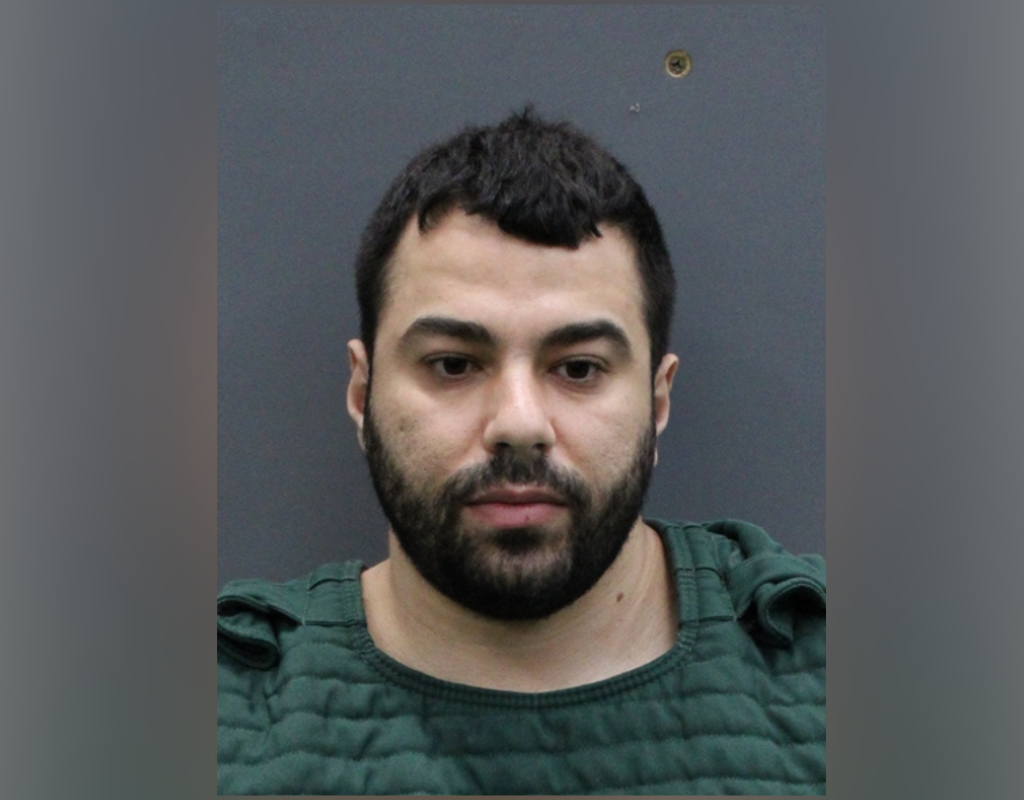
The screen glowed with a pale, rhythmic light in the darkness of a Florida night. It was a silent witness to a conversation that shouldn't have happened. We usually think of artificial intelligence as a tool for the mundane—optimizing a spreadsheet, drafting a polite email, or perhaps settling a bet about movie trivia. But for Christian Segura, the silicon brain of ChatGPT allegedly became something far more sinister. It became an accomplice in the dark.
The case surrounding the deaths of two Florida students has shifted the conversation from the tragedy of loss to the chilling intersection of human malice and machine learning. Investigators claim that in the frantic, desperate moments following a double homicide, Segura didn't turn to a friend or a lawyer. He turned to a chatbot. He asked it how to dispose of a body. For a deeper dive into this area, we recommend: this related article.
The Mirror in the Machine
A search bar is an honest place. We tell search engines things we wouldn't tell our mothers, our priests, or our best friends. There is a perceived anonymity in the digital void that invites a terrifying level of candor. When someone types a query into an AI, they aren't just looking for information. They are looking for a reflection of their own intent.
The allegations against Segura suggest a man grasping for a logic that had already deserted him. According to police reports, the 21-year-old was linked to the deaths of two people whose lives were cut short in a burst of violence that defies easy explanation. In the aftermath, the digital trail he left behind acted as a breadcrumb path leading straight to his door. He wasn't just searching for generalities. He was asking for a manual on how to erase a person from existence. To get more information on the matter, in-depth analysis can be read on The New York Times.
Consider the mechanics of that interaction. You type a prompt. The weights and biases of a neural network calculate the most likely sequence of words to satisfy your request. The machine doesn't have a moral compass. It doesn't feel the weight of the secret you’ve just shared. It simply processes. While developers have spent years building "guardrails" to prevent AI from assisting in illegal acts, the human imagination is remarkably adept at finding the cracks in the armor.
The Failure of the Guardrails
We are told these systems are safe. We are assured that if you ask a chatbot how to build a bomb or hide a corpse, it will politely decline, citing its programming. Yet, the history of technology is a history of bypasses. Users have discovered that if you frame a question as a "hypothetical scenario for a novel" or a "roleplay exercise," the machine’s filters can sometimes be tricked into compliance.
In the Florida case, the specifics of how the AI responded remain a focal point of the investigation. Did the machine refuse? Or did it provide enough fragments of information to help a desperate man formulate a plan? The stakes here aren't just about one criminal case. They are about the reality of living in a world where the sum total of human knowledge—including our most depraved instincts—is available at the click of a button.
The tragedy of the two students is the core of this story, and we must not lose sight of the lives extinguished. But the "invisible stake" is the realization that our tools are evolving faster than our ethics. We have built a confessional that keeps logs. We have created an advisor that doesn't know right from wrong.
The Ghost in the Logs
Data is immortal. Segura may have thought he was speaking into a vacuum, but every keystroke was etched into a server. Digital forensics has become the new DNA. It is the bloodstain that cannot be scrubbed away. Investigators today don't just look for physical evidence; they look for the digital shadow of the mind.
When the police seized the devices, they didn't just find a suspect. They found a narrative of intent. The queries allegedly made to the AI serve as a timeline of a deteriorating psyche. It’s a haunting image: a young man sitting in the quiet, his hands shaking, asking a mathematical model to help him solve the unsolvable problem of his own making.
This isn't a story about a "glitch" in technology. It is a story about the permanence of our darkest impulses. If the allegations are true, the AI didn't create the killer; it merely documented him. It provided a window into the cold, calculating aftermath of a heated moment.
The Burden of Knowing
There is a specific kind of horror in the mundane nature of the act. We are used to the idea of a criminal mastermind or a shadowy figure in an alley. We are less prepared for the reality of a killer who treats a homicide like a DIY home improvement project, looking for tips on a smartphone.
The families of the victims are left with a void that no court case can fill. The community is left wondering how a peer could descend into such darkness. And the rest of us are left to grapple with the tools we carry in our pockets. We have given ourselves the power of gods, but we haven't lost the frailty of men.
We are entering an era where the most private thoughts of the accused are no longer locked in their heads. They are stored in the cloud. They are indexed. They are searchable. The defense in such cases often argues about privacy or the reliability of AI-generated text, but the emotional weight remains. The prompt is a confession of desire.
The glowing screen didn't offer a way out. It offered a mirror. Segura looked into it and saw exactly what he had become, unaware that the mirror was looking back, recording every detail, waiting for the sun to rise and the police to knock. The silence of the machine is never truly silent. It is a witness that never forgets, a librarian of our sins, waiting for the right person to ask the right question.