The federal justice system just hit a massive, jarring speed bump. We’re seeing a pattern that should make anyone interested in the rule of law stop and think. Another individual who received a pardon for their actions during the January 6 Capitol riot is now back in the legal crosshairs for something far more stomach-turning than civil disorder. This isn’t a one-off fluke. It’s a systemic mess.
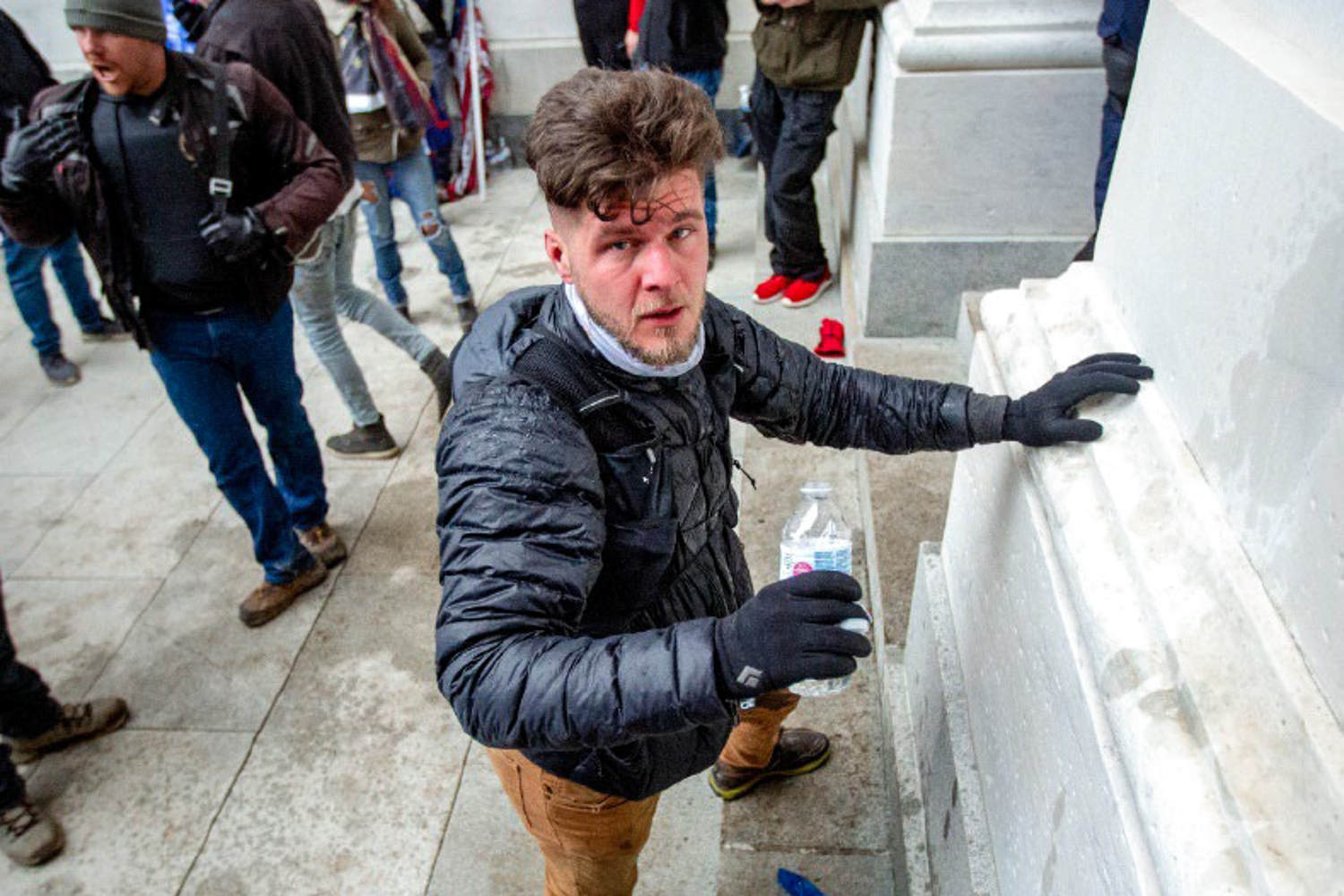
Recent court filings show that a pardoned rioter is preparing to admit guilt in a case involving the sexual abuse of a child. It’s a heavy, dark development. When a person gets a clean slate for a political crime, the public expects them to live a quiet life. Instead, we’re finding that the same individuals receiving executive clemency are sometimes carrying baggage that should stay under a microscope.
This specific case involving child sexual abuse charges isn't just about one man’s crimes. It raises massive questions about the vetting process for presidential pardons. When you hand out a pardon like a party favor, you risk ignoring the underlying character of the person you're "saving."
Why the Vetting Process Failed So Spectactularly
Pardons used to be a surgical tool. They were meant to correct gross injustices or show mercy after decades of rehabilitation. That’s not what happened here. The January 6 pardons were largely symbolic and political. Because they were rushed or motivated by optics, the background checks weren't what they should've been.
If you’re a prosecutor, you’re looking at this with pure frustration. You spend months or years building a case, only for an executive order to wipe it away. But the pardon only covers the federal offenses related to the Capitol. It doesn't give a person a "get out of jail free" card for the rest of their life, especially for state-level crimes or unrelated federal felonies.
Most people don't realize how limited a pardon actually is. It's a specific eraser. It erases the conviction for the crime named in the document. It doesn't make the person a saint. It doesn't mean they didn't do it. In fact, accepting a pardon historically carries an imputation of guilt. You’re essentially saying, "I did it, but I’m being forgiven."
The Impact on the Justice System and Victims
This situation is a nightmare for the victims in the abuse case. Imagine seeing the person who harmed you get celebrated on national television as a "patriot" or a "political prisoner." Then, you watch as they get a pardon from the highest office in the land. It feels like the system is gaslighting you.
The legal community is reeling. Defense attorneys are trying to figure out how to navigate these two worlds—the world of political pardons and the world of standard criminal prosecution.
- Federal vs. State Power: Most abuse cases are handled at the state level. A presidential pardon has zero power there.
- The Character Argument: Prosecutors in the new case will almost certainly use the rioter’s past behavior to argue for a harsher sentence once the guilty plea is entered.
- Public Trust: Every time a pardoned individual commits a violent or predatory crime, trust in the legal system drops another notch.
It’s basically a breakdown of the "good character" defense. You can't claim you're a victim of a political witch hunt when you're literally admitting to harming a child. The two narratives don't fit. They crash into each other.
Legal Precedents and the Future of Clemency
We’ve seen this before, but rarely with such high stakes. Usually, a pardoned person fades into obscurity. They move to a small town, change their name, and keep their head down. This group of rioters is different. They’ve been emboldened. They think they’re untouchable because they’ve been told they’re heroes.
The Department of Justice (DOJ) is now forced to play a weird game of Whac-A-Mole. They’re monitoring individuals they thought were off their books. This creates a massive drain on resources. We’re talking about investigators who should be focusing on new threats but are instead tracking the "graduates" of the January 6 pardon list.
Legal experts are now calling for a complete overhaul of how pardons are granted. There’s a push for a non-partisan board that actually looks at a person’s full criminal history—including pending investigations—before a pen hits paper. It sounds like common sense, but in our current political climate, common sense is a luxury.
What Happens After the Guilty Plea
When this individual admits guilt in the child abuse case, the political protection disappears. No politician wants to be associated with a sex offender. The same people who were shouting from the rooftops about the "injustice" of the January 6 charges will suddenly be very, very quiet.
The sentencing phase will be brutal. Judges don't like it when people waste a second chance. If you get a pardon for one crime and then immediately go back to hurting people, you’re telling the court that you’re unreformable. Expect a sentence that reflects that.
The takeaway here is simple. A pardon isn't a character reference. It’s a legal maneuver. We need to stop treating these individuals like they’ve been vindicated of all wrongdoing. They haven't. They’ve just been lucky—until now.
Steps for Staying Informed and Protecting the Process
You can't change the past pardons, but you can pay attention to the future ones. Watch how candidates talk about the justice system. Are they talking about fairness, or are they talking about protecting their friends?
- Track the Cases: Keep an eye on independent legal blogs that track the post-pardon lives of high-profile defendants.
- Support Victim Advocacy: Organizations that help survivors of abuse need more support when their cases become politicized.
- Demand Transparency: Contact your representatives. Ask for clearer guidelines on the Office of the Pardon Attorney.
The reality is that justice is slow, but it’s persistent. A pardon might stall it, but it won't stop it forever. When a person’s true nature involves preying on the vulnerable, no amount of political theater can hide that for long. The court records are public. The truth comes out eventually. It always does.
Pay attention to the sentencing dates. That’s when the real story ends. Not with a rally, but in a quiet courtroom where the facts finally outweigh the noise. Look at the local dockets in the jurisdictions where these individuals reside. You’ll find that the January 6 charges were often just the tip of the iceberg for some of these guys. Dealing with the fallout of these pardons will take years, and this latest guilty plea is just the beginning of a very long, very ugly reckoning.