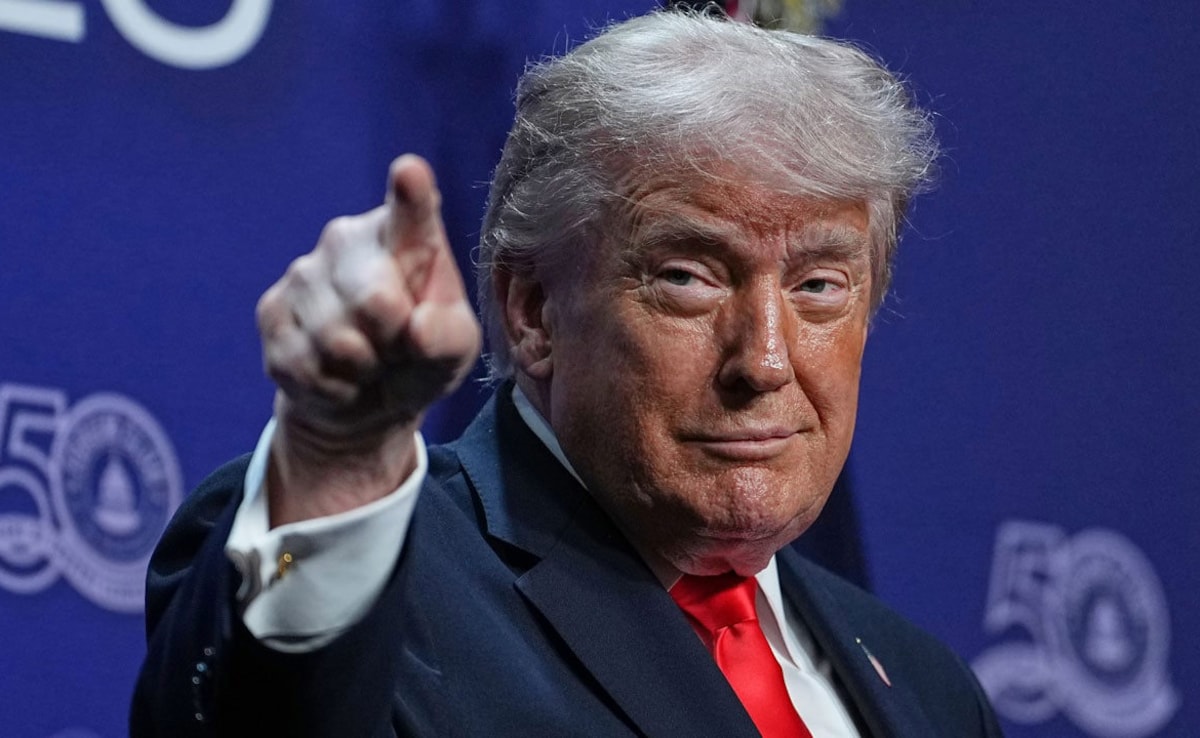
Donald Trump isn't one for diplomatic subtleness, and his latest stance on the Strait of Hormuz proves it. During a recent rally in Florida, the President didn't just defend the U.S. Navy’s aggressive tactics against Iranian tankers—he embraced them with a label most politicians would run from. "We resemble pirates," Trump told the crowd, describing the seizure of Iranian oil as a "very profitable business."
It’s a blunt admission that the U.S. has moved past mere sanctions enforcement into a phase of active maritime interdiction. The goal is simple: choke off Tehran’s cash flow by physically taking the product they’re trying to sell. If you’re looking for the "why" behind your soaring gas prices or the headlines about naval standoffs, this is the epicenter. The U.S. is currently enforcing a massive blockade in the Strait of Hormuz, and the "piracy" Trump mentioned is the tip of the spear in a campaign officially known as Operation Economic Fury.
The Iron Wall in the Strait of Hormuz
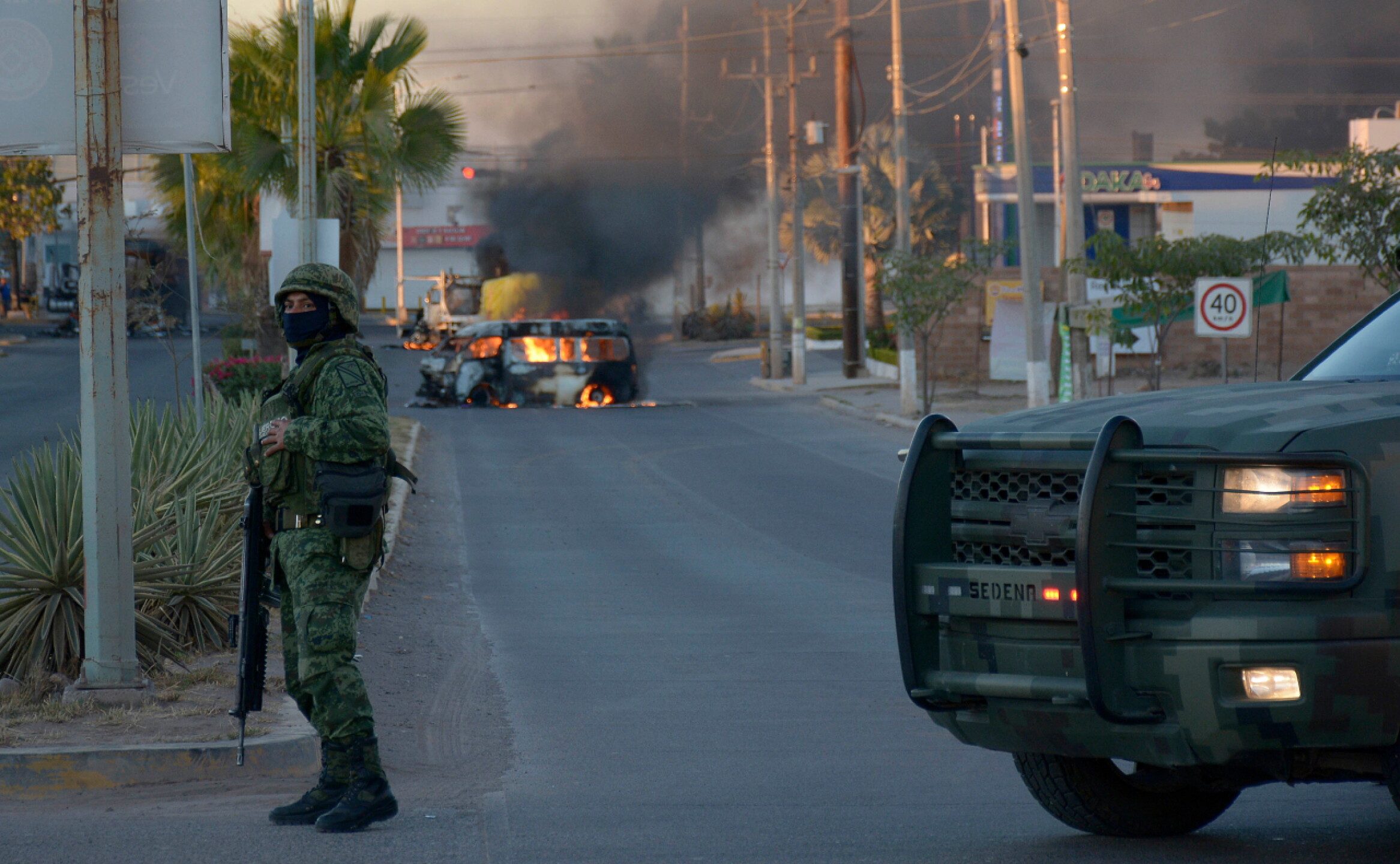
The current situation isn't just a few ships playing cat and mouse. It’s a full-scale naval blockade that Trump calls an "iron wall." Since the conflict escalated following the February 28 strikes involving the U.S., Israel, and Iran, the Strait of Hormuz—the world’s most critical oil chokepoint—has become a restricted zone. Roughly 20% of the world’s liquefied natural gas and oil passes through this narrow stretch of water. Right now, almost nothing is moving without U.S. say-so.
Trump’s "pirate" comment specifically refers to how the U.S. is handling "dark fleet" vessels—tankers that turn off their transponders to smuggle sanctioned Iranian crude. Recent operations have seen U.S. forces disabling engine rooms and boarding ships like the Majestic X and the Tifani in the Indian Ocean. These aren't polite requests to turn around. They’re high-stakes seizures where millions of barrels of oil are confiscated and, as Trump noted, potentially turned into profit for the U.S. Treasury.
Why the Pirate Label Actually Matters
When a sitting president compares his military to pirates, it’s a deliberate middle finger to international maritime norms. Iran has already fired back, with Foreign Ministry spokespeople calling the seizures "armed robbery on the high seas." Historically, "piracy" is defined by unauthorized acts of violence or detention on the high seas for private ends. By using the word, Trump is leaning into the controversy, signaling that he cares more about results—cutting off Iran's war chest—than the optics of international law.
The legal justification from the White House relies on court-approved warrants. Figures like U.S. Attorney Jeanine Pirro have been vocal about using federal warrants to justify these intercepts even in international waters. They argue that because the oil belongs to sanctioned entities used to fund regional "bullying" and nuclear ambitions, the U.S. has the right to seize it. It’s a legal grey area being stretched to its absolute limit.
Impact on Your Wallet and Global Markets
You’ve probably noticed the price at the pump creeping toward $4 or $5 a gallon. That’s the direct result of this "iron wall." When you take 20 million barrels of oil per day off the table, the market panics.
- Oil Prices: Crude has surged past $100 a barrel.
- Shipping Costs: War-risk insurance premiums have added thousands of dollars to the cost of a single shipping container.
- Inflation: High energy costs aren't just about gas; they're about the cost of transporting food and every other consumer good you buy.
Trump’s gamble is that the "economic fury" will force Iran to the negotiating table before the domestic political fallout from high gas prices becomes too much to handle. He’s betting that the U.S. position as a net energy exporter provides enough of a cushion to outlast Tehran.
The Space Force and High Tech Interdiction
One of the more surprising details Trump shared is the role of the U.S. Space Force in these "pirate" operations. It turns out, finding a "dark" tanker in the middle of the ocean isn't as hard as it used to be. The Space Force provides the high-end surveillance and tracking necessary to coordinate these intercepts. Even if a ship cuts its GPS, satellite imagery and thermal tracking make it nearly impossible to hide.
This tech-driven blockade is what allows the U.S. to operate far beyond the Strait of Hormuz, picking off ships as far away as the Indo-Pacific. It’s a global dragnet designed to ensure that no matter where an Iranian tanker goes, a U.S. boarding party isn't far behind.
What Happens Next
The "shoot and kill" orders recently issued against Iranian small boats trying to mine the Strait suggest this isn't de-escalating anytime soon. If you’re tracking this for your business or your personal finances, don't expect a quick fix.
Watch for these three signs:
- Pakistan-mediated talks: Any breakthrough here is the only real off-ramp for the blockade.
- Strategic Petroleum Reserve (SPR) releases: If Trump releases more oil from the U.S. reserve, it’s a sign the administration is worried about gas prices hitting a breaking point.
- Vessel Seizure Frequency: If the "pirate" operations expand to non-Iranian flagged ships carrying "material support," we’re looking at a much larger conflict.
For now, the U.S. is staying the course. The strategy is clear: keep the wall up, keep seizing the oil, and use every bit of naval and space-based power to make sure Iran’s most valuable resource stays stuck in port or ends up in American hands.
Trump Defends US Navy Seizure of Oil Cargo
This video provides the direct context and footage of President Trump's remarks regarding the "profitable business" of naval oil seizures.