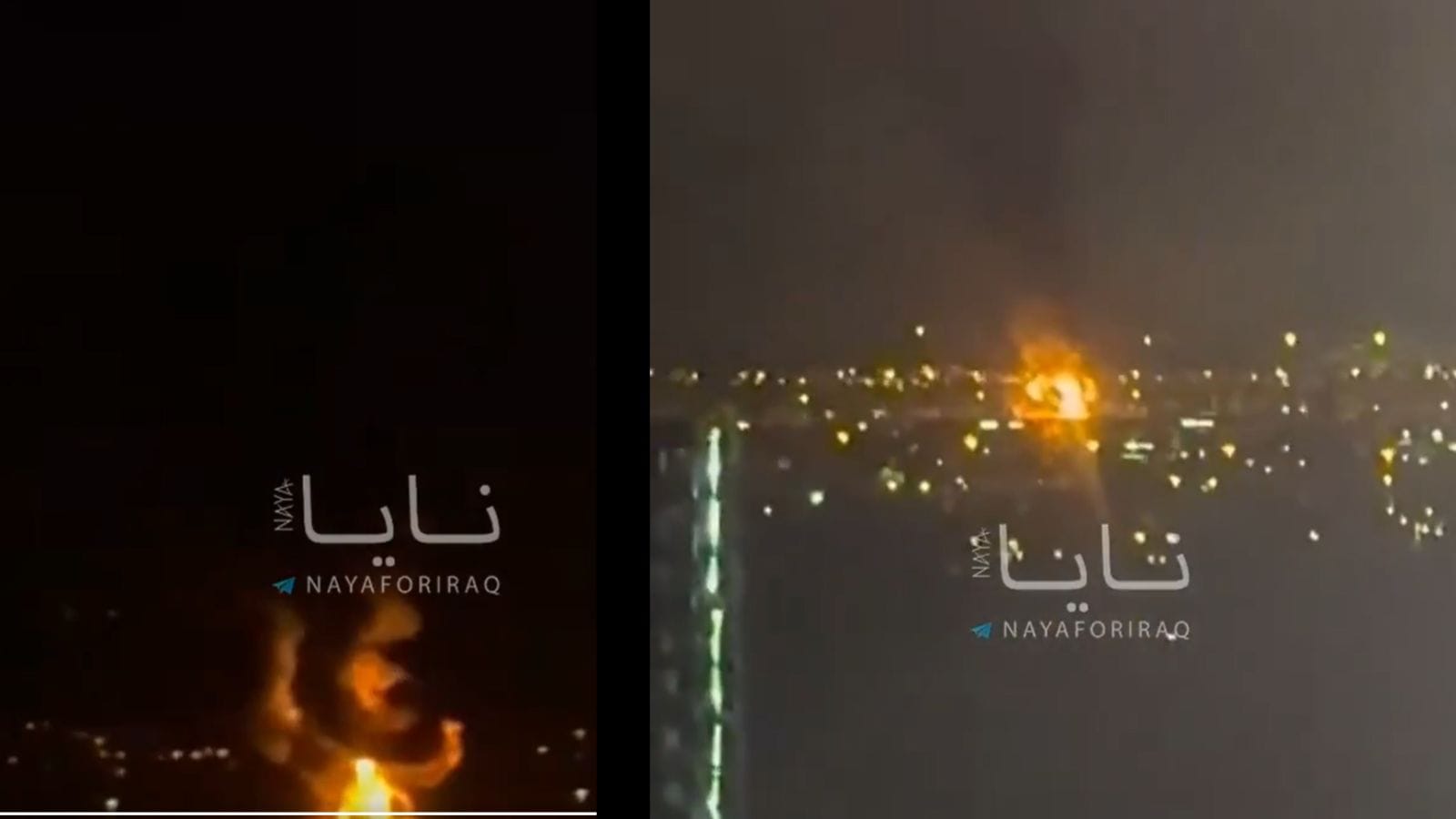
Chaos broke out at Dubai International Airport (DXB) after a drone strike triggered a massive explosion at a nearby fuel storage facility. Black smoke choked the skyline. Flight operations ground to a halt. For one of the world’s busiest transit hubs, this wasn't just a local emergency. It was a wake-up call for global aviation. If you think airport security starts and ends with taking off your shoes at a metal detector, you're looking at the wrong threat.
The reality is that drones have moved from being hobbyist toys to genuine kinetic threats. When a remote-controlled device hits a fuel tank, the physical damage is only half the story. The economic paralysis that follows is what really hurts. DXB is the heart of Emirates and a vital artery for East-West travel. Shutting it down even for a few hours sends ripples through global logistics that take days to iron out.
The Anatomy of the Dubai Fuel Tank Strike
Early reports confirmed the fire started after a drone impacted a fuel supply area located on the periphery of the airport grounds. Witnesses described a sudden, booming blast followed by a column of thick, oily smoke that could be seen from the Burj Khalifa. This wasn't a malfunction. It was a targeted disruption.
Security teams moved fast. Emergency crews from the Dubai Civil Defense arrived within minutes to contain the blaze, preventing it from spreading to the main terminal infrastructure. However, the proximity to the runways meant that the General Civil Aviation Authority (GCAA) had no choice. They suspended all departures and diverted incoming flights to Al Maktoum International and nearby regional strips.
Standard operating procedures for an airport under aerial threat are brutal. You don't just "keep an eye on it." You stop everything. Pilots already on the taxiway were told to hold position. Passengers sat on the tarmac for hours while security forces swept the airspace for more "unauthorized aerial activity."
Why Traditional Defenses Are Failing
Most airports are designed to stop people from bringing weapons onto planes. They aren't built to stop a five-pound piece of plastic carrying an incendiary charge from flying over a perimeter fence. The fence is irrelevant when the threat is at 500 feet.
Current radar systems often struggle to distinguish a small consumer drone from a large bird. By the time a security team spots a drone visually, it's usually too late to do anything about it. You can't just start shooting at things in the sky near a crowded airport. Stray bullets and falling debris are often as dangerous as the drone itself.
The Dubai incident proves that "geofencing"—software that’s supposed to stop drones from flying into restricted zones—is a myth. It's easily bypassed by anyone with basic technical skills or a custom-built flight controller. If someone wants to fly a drone into a fuel tank, the software isn't going to stop them. Only physical or electronic countermeasures can.
The Economic Cost of a Grounded Fleet
When DXB stops, the world feels it. We're talking about an airport that handles over 80 million passengers a year. A four-hour shutdown doesn't just delay four hours of flights. It creates a "slingshot effect."
- Crew Rotations: Pilots and cabin crew hit their legal "duty hour" limits while waiting on the tarmac. This leads to cancellations even after the airport reopens.
- Cargo Backlogs: High-value electronics and perishables sit in hot cargo holds, costing companies millions.
- Missed Connections: Thousands of people missed their flights to London, New York, and Sydney. The cost of rebooking and hotel vouchers is a massive hit to airline bottom lines.
Airlines like Emirates and FlyDubai operate on precision. Their hub-and-spoke model relies on planes arriving and departing in tight "waves." When a drone breaks that wave, the schedule collapses like a house of cards.
Lessons from Gatwick and Beyond
This isn't the first time drones have paralyzed a major airport, but it might be the most aggressive instance involving actual fire and destruction. Back in 2018, London’s Gatwick Airport was shut down for days due to drone sightings. No one was ever caught. No damage was done. Yet, the cost was estimated at over $60 million.
Dubai is different. This wasn't a prankster or a clueless photographer. Hitting a fuel tank requires intent and a level of coordination that shifts the conversation from "safety" to "defense." It forces every major city to rethink their "soft" targets. Fuel farms, power substations, and cooling plants near airports are now the front line.
What Happens Next for Travelers
You're going to see more "no-drone zones" with actual enforcement. Expect airports to invest heavily in electronic warfare suites—systems that can jam the signal between a drone and its operator or even "hijack" the drone mid-air to force it to land.
Governments are also pushing for mandatory Remote ID. It's basically a digital license plate for drones. If your drone is in the air, it has to broadcast who you are and where you're standing. If it doesn't, it gets treated as a hostile threat immediately.
For the average traveler, expect more "security-related" delays. If there’s even a whisper of a drone in the area, your flight is staying on the ground. It's frustrating, but after seeing a fuel tank go up in flames, it's the only logical move.
Securing Your Own Travel Plans
Don't just sit there and wait for the news to tell you your flight is canceled. If you're traveling through major hubs, you need to be proactive.
- Download the carrier app: Emirates and other Gulf carriers push updates to their apps 15-20 minutes before they hit the terminal screens.
- Check flight tracking sites: Use tools like FlightRadar24 to see if planes are actually landing or if they're circling in a holding pattern. If you see ten planes doing circles over the desert, start looking for a hotel.
- Keep your electronics charged: If you're stuck on a plane for five hours waiting for a "clear sky," a dead phone is your worst enemy.
- Know your rights: Most airlines won't pay out "extraordinary circumstances" compensation for drone strikes, but they still have to provide food and water if you're stuck on the tarmac.
The Dubai fire is a grim reminder that our infrastructure is more fragile than we like to admit. The tech that lets us take cool vacation photos is the same tech that can bring a global city to its knees. Security isn't just about the person in the seat next to you anymore; it's about what's hovering outside the window.