The wind in Indio doesn’t just blow. It scours. It carries the fine, alkaline dust of the Coachella Valley into your lungs, your beer, and the creases of your eyes until everything tastes like the desert floor. By 4:00 PM on Friday, the heat had already turned the Stagecoach festival grounds into a shimmering, hallucinogenic sea of denim and rhinestone fringe. Thousands of people moved in a slow, synchronized trudge toward the Mane Stage, their boots kicking up a haze that caught the low-hanging sun.
Standard reporting would tell you the temperature. It would list the set times. It would mention that the beer cost seventeen dollars. But those numbers are just the skeleton of the day. They don’t capture the strange, vibrating tension of a subculture in transition. Stagecoach Day 1 wasn't just a concert. It was a collision of identities.
On one side of the field, you had the traditionalists—men in starched Wranglers who remember when country music felt like a secret handshake. On the other, a new generation was arriving, wearing black kohl eyeliner and thrifted t-shirts of bands their parents used to hate. They call it "Emo Nite" at the Palomino stage, but that’s a clinical term for something much more visceral. It was a funeral for the idea that we have to pick a side.
The Gospel According to Nickelback
Consider the crowd gathered for the late-afternoon sets. There is a specific kind of bravery required to stand in a dry heat that melts sunscreen off your face just to hear a band that the internet spent a decade mocking. Chad Kroeger walked onto the stage not as a villain, but as a conquering hero of the flyover states.
The air changed. The irony evaporated. When the first chords of those mid-2000s radio hits bounced off the surrounding San Jacinto Mountains, something happened to the collective psyche of the audience. They weren't singing ironically. They were screaming.
The "weirdness" people talk about when they see Nickelback at a country festival is a failure of imagination. These aren't different worlds. The angst of a post-grunge power ballad and the longing of a country anthem are two sides of the same rusted coin. They both deal in the currency of the "left behind." Whether you’re singing about a small town in Alberta or a ranch in Texas, the stakes are the same: pride, regret, and the desperate need to be heard over the noise of a world that is moving too fast.
The Palomino’s Dark Secret
Walking away from the main stage, the vibe shifts. The Palomino tent offers shade, but it offers something else, too. Melancholy.
This year, the festival leaned hard into the "Emo" crossover, inviting Nickelback and Diplo to mix the genres, but the real heart of the shift was found in the shadows of the smaller stages. You could see it in the way the younger fans carried themselves. They weren't there for the "yee-haw" lifestyle brand. They were there because country music has become the new vessel for the kind of raw, unapologetic emotionality that used to belong to pop-punk.
Imagine a girl named Sarah. She’s twenty-three. She grew up on My Chemical Romance, but today she’s wearing a cowboy hat with a jagged, hand-painted "X" on the side. She’s standing in the dust, crying while a pedal steel guitar weeps in the background. To an outsider, she looks like a contradiction. To her, it makes perfect sense. The high-lonesome sound of a fiddle is just a different way of screaming into the void.
The stakes here are invisible but massive. We are watching the blurring of American tribes. The old gatekeepers of Nashville would have shuddered at the sight of a mosh pit breaking out during a set that featured a banjo, yet there it was. A swirling circle of dust and sweat, fueled by a strange, hybrid energy.
The High Gloss of the Mane Stage
As night fell, the neon took over. The ferris wheel turned into a spinning halo of LED lights, casting long, rhythmic shadows across the grass. This is where the polished reality of modern country takes its stand.
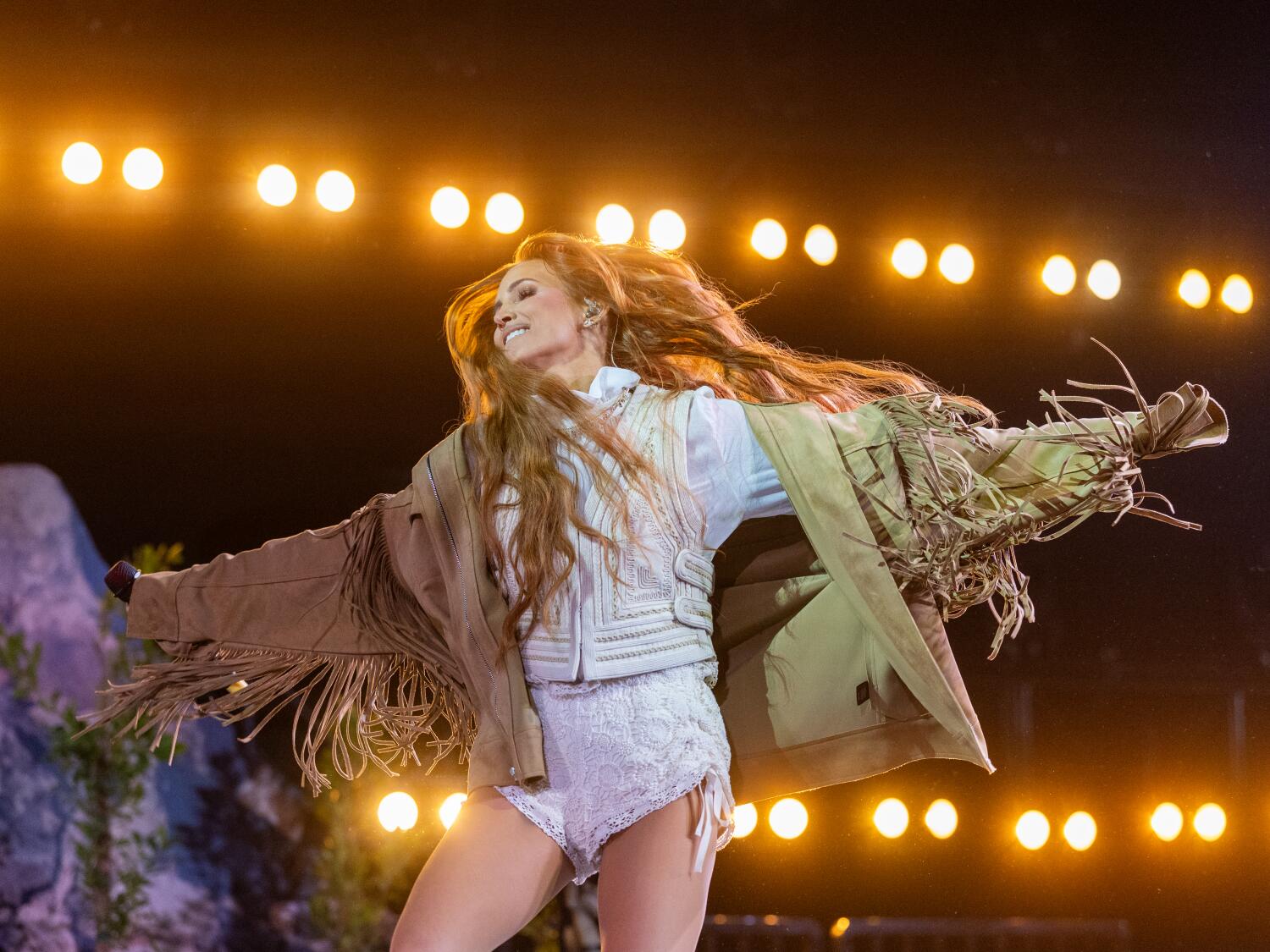
The headliners don't just play songs. They deliver spectacles. Pyrotechnics shot into the desert sky, momentarily drowning out the stars. The sound systems are so powerful you can feel the bass in your teeth. But even amidst the high-budget production, the day’s "weirdness" persisted.
There were moments where the music felt secondary to the performance of "being there." You see it in the thousands of glowing rectangles held aloft. People weren't watching the stage; they were watching their screens, making sure the world knew they were standing in the VIP pit. It’s a digital ghost haunt. The more we try to capture the moment, the more the actual experience slips through our fingers, replaced by a curated version of joy.
Yet, every so often, the artifice cracked. A singer would miss a note. A guitar string would snap. Or, more poignantly, a performer would stop the show to acknowledge someone in the crowd holding a sign about a lost loved one. In those seconds, the seventeen-dollar beers and the corporate sponsorships faded. The desert got quiet. The human element reasserted itself.
The Salt in the Wound
By the time the final encore echoed out toward the Coachella parking lots, the crowd was transformed. The pristine white boots of the morning were grey with grit. The carefully applied eyeliner was smeared. The "emo" kids and the "country" kids were walking side-by-side, united by a shared exhaustion.
This is the secret of Day 1. It’s not about who played the best set or which celebrity was spotted in the artist lounge. It’s about the endurance. It’s about the three days of heat and noise we subject ourselves to just to feel like we belong to something larger than a social media feed.
The weirdness isn't an outlier. It’s the point. We are a fractured culture looking for a place where our contradictions can coexist. If that means watching a Canadian rock band play to a sea of Stetson hats while teenagers in black lace cry in the corner, then so be it.
The dust settled on the hoods of ten thousand trucks. Inside the cabs, the heaters were turned up against the sudden desert chill. People began the long crawl back to reality, their ears still ringing with a confused, beautiful noise. They were covered in the desert, breathing in the remnants of a day that defied every neat category the critics tried to impose on it.
The desert doesn't care about your genres. It only cares that you showed up.