The air in the high desert of central Iran has a specific weight to it. It is dry, tasting faintly of pulverized limestone and the ancient heat of the plateau. But lately, that air carries something else. It is a mathematical anxiety, a tension that exists in the space between what is seen and what is measured by a Geiger counter.
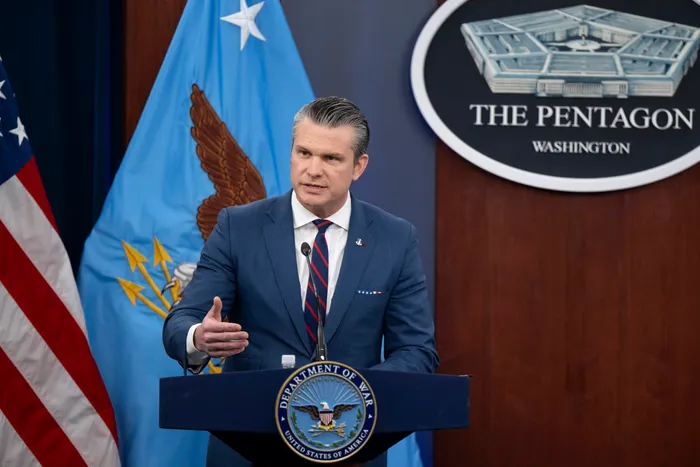
When Foreign Minister Abbas Araghchi stood before the cameras to describe the aftermath of the recent American strikes, he didn't speak in the polished tongue of a career diplomat. He spoke like a man describing a burial. He spoke of "nuclear material" now sitting beneath mountains of jagged concrete and twisted rebar.
Under the rubble.
That phrase creates a haunting image. We often think of nuclear facilities as pristine, sterile cathedrals of science—stainless steel corridors, technicians in white lab coats, and the hum of centrifuges spinning at supersonic speeds. We imagine them as untouchable. But the strikes changed the geometry of that reality. Now, the high-tech heart of a geopolitical standoff is covered in the gray, suffocating dust of a demolition site.
The Invisible Weight of a Half-Life
Consider for a moment a hypothetical technician named Omid. He is not a warmonger or a master strategist. He is a father who likes black tea with far too much sugar and has spent twenty years studying the behavior of isotopes. For Omid, the "material" Araghchi mentions isn't an abstract bargaining chip. It is a physical substance. It is heavy. It is temperamental.
When the munitions hit, Omid’s world didn't just break; it became a labyrinth of risk. To the outside world, the strikes were a headline about containment and deterrence. To the person on the ground, the concern is the integrity of a seal. It is the terrifying realization that the heavy shielding designed to keep radiation in is now the very thing preventing anyone from knowing exactly what is happening underneath.
The physics of a collapsed nuclear site are nightmarish. When a conventional building falls, you bring in the excavators and the search dogs. When a site containing enriched uranium or sensitive isotopes is hammered into the earth, the debris itself becomes a shield and a prison simultaneously. You cannot simply dig. Every scoop of a backhoe risks releasing a plume of particulates that were never meant to see the sun.
The Diplomacy of the Debris
Araghchi’s admission is a calculated piece of transparency. By telling the world that this material is "buried," he is sending a message that transcends the immediate damage. He is highlighting a transition from a controlled threat to an unpredictable one.
Before the strikes, the international community knew where the material was. It was in canisters. It was logged. It was under the watchful, if often frustrated, eyes of the IAEA. Now, it is part of the geology.
This creates a new kind of "gray zone" in international relations. If the material is inaccessible, it cannot be inspected. If it cannot be inspected, the vacuum is filled with the worst-case assumptions of intelligence agencies in Washington and Tel Aviv. The rubble acts as a physical veil, hiding the true state of Iran’s capabilities behind a wall of broken stone. It is a stalemate written in concrete.
The danger isn't just about a sudden, catastrophic leak. It is about the slow, agonizing erosion of certainty. In the world of nuclear non-proliferation, certainty is the only currency that matters. When you lose the ability to verify, you lose the ability to trust. And when trust evaporates, the only thing left is the kinetic logic of the next strike.
The Ghost in the Machine
We often treat these events as a game of chess played on a global map. We look at satellite imagery and count the craters. We analyze the "message" sent by the bunker-busters. But the message received by the earth is different.
Imagine the silence in those tunnels now. There is no more humming of cooling systems. There are no footsteps. There is only the settling of dust and the steady, rhythmic decay of atoms that do not care about borders or treaties. Uranium-235 has a half-life of 700 million years. It is patient. It will be there long after the rubble is cleared, long after the current administration is a footnote in a history book, and long after the names of the generals who ordered the strikes are forgotten.
The "human element" here is the realization of our own frailty compared to the forces we’ve unbottled. We have learned how to smash the atom, and we have learned how to smash the buildings that house the atom. But we have not yet learned how to manage the silence that follows.
Araghchi’s words were a warning. Not just of the damage done, but of the complexity of the cleanup. You cannot "fix" a bombed nuclear site with a construction crew. You fix it with decades of specialized engineering and a level of international cooperation that currently seems like a fever dream.
The Cost of the Unseen
Every time a bomb falls on a facility like this, the price of the eventual peace goes up. The technical challenge of decommissioning a stable site is already one of the most expensive and complex tasks in modern engineering. Doing it to a site that has been turned into a graveyard of jagged metal and radioactive dust is a task that defies easy calculation.
We are entering an era where the debris is as dangerous as the weapon. The "nuclear material" Araghchi spoke of isn't just a physical substance anymore. It is a symbol of the messiness of modern conflict. It is a reminder that in the twenty-first century, there is no such thing as a clean strike. There are only layers of consequences, stacked one on top of the other, waiting for someone brave enough—or desperate enough—to start digging.
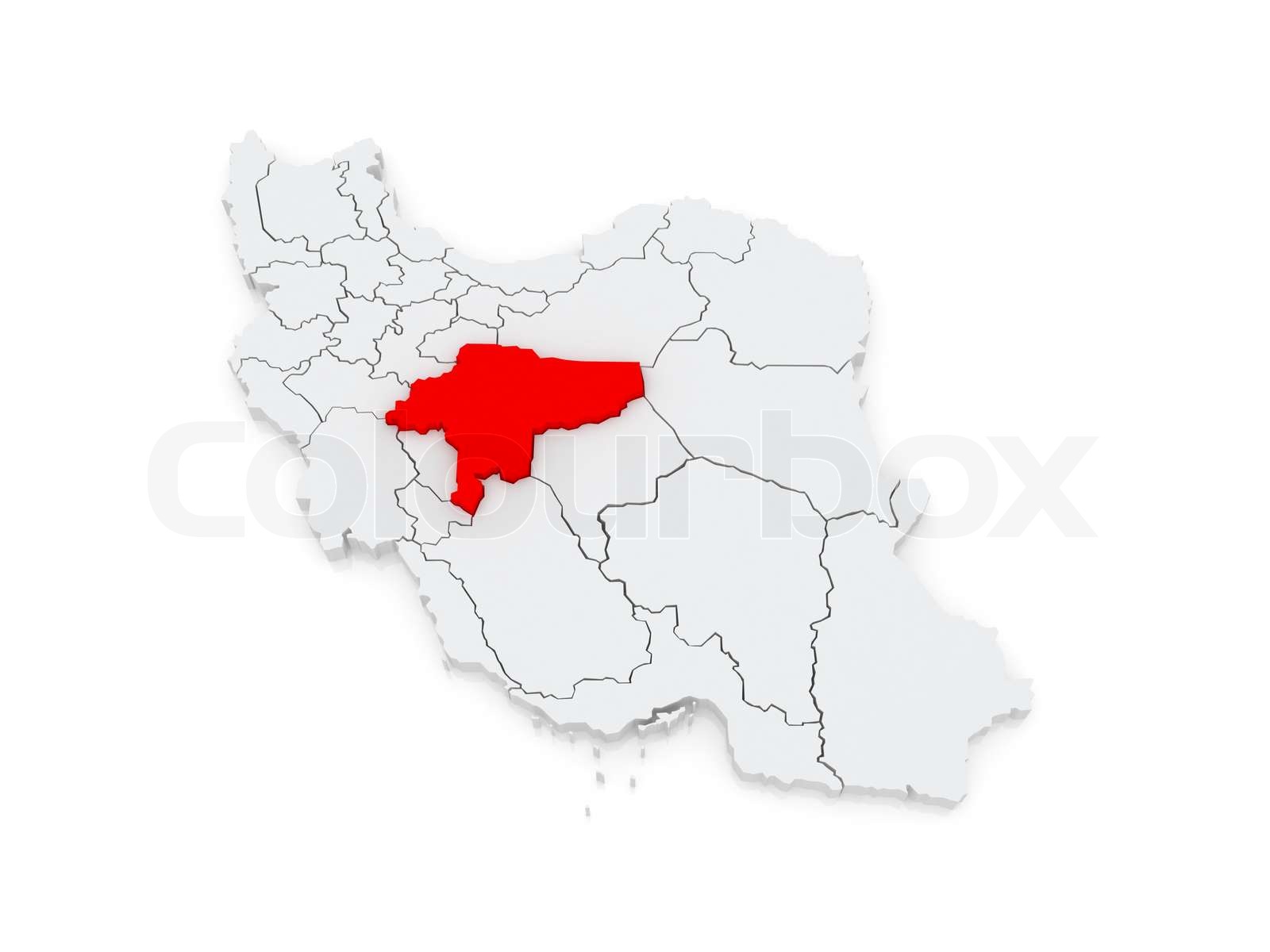
As the sun sets over the mountains near Natanz or Isfahan, the shadows of the ruins stretch long across the sand. They look like any other ruins from a distance. Just piles of gray. But those who know what lies beneath understand that the clock is still ticking, muffled by the weight of the world on top of it.
The dust eventually settles, but it never really goes away. It just waits for the wind.
Would you like me to look into the specific technical challenges of "entombment" versus "remediation" for damaged nuclear sites to see how other nations have handled similar disasters?