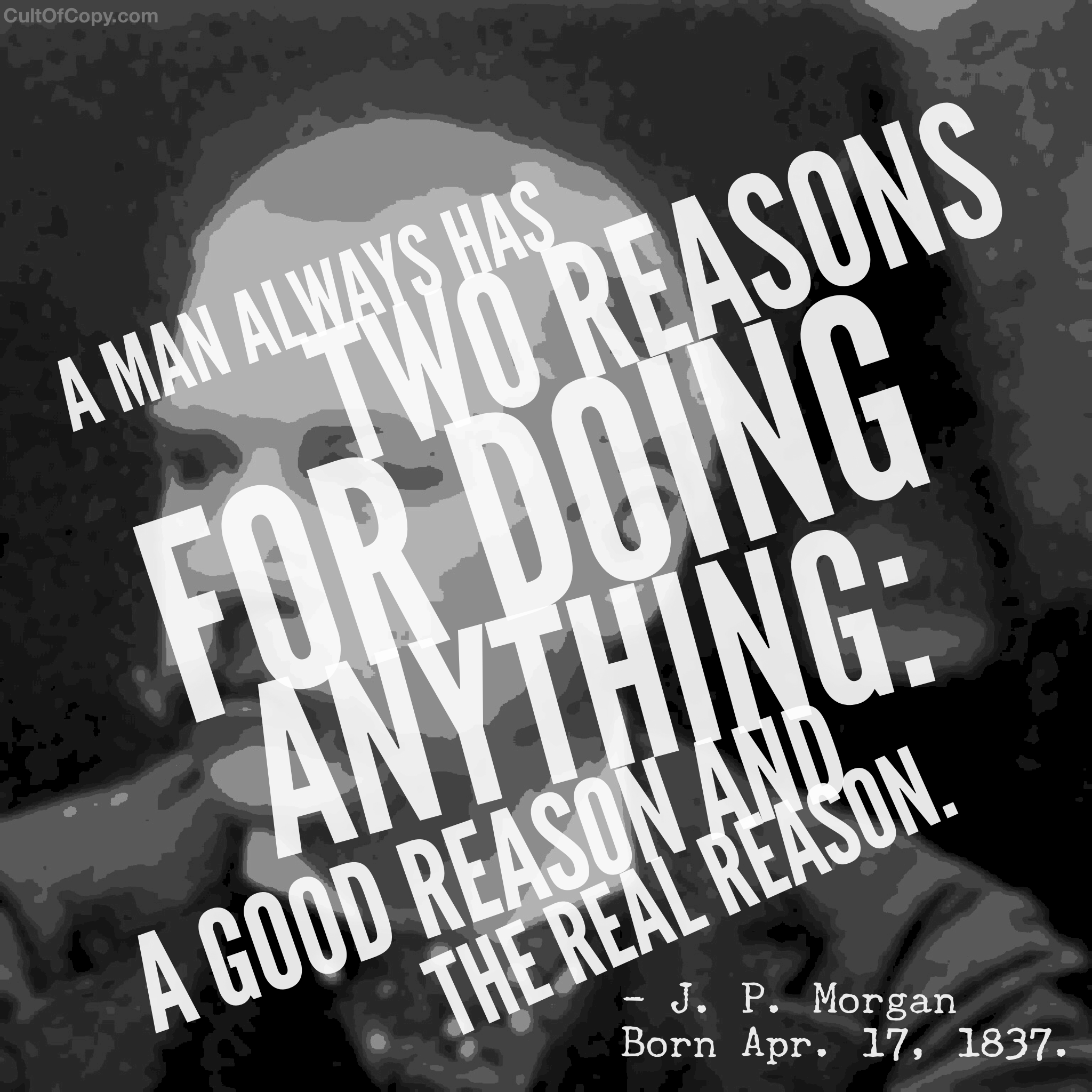
In the late afternoon heat of Saigon, the air used to grow thick with a specific kind of fiction. Every day at 5:00 PM, military officials would gather in a briefing room to describe a war that didn't exist. They spoke of "body counts," "pacification," and "imminent victory." The reporters in the back of the room, who had spent their mornings dodging snipers and pulling shrapnel from their boots, began to call these sessions the Five O’Clock Follies. It was a theater of the absurd where the script was written in Washington and the reality was buried in the mud of the Mekong Delta.
History doesn't repeat, but it certainly rhymes.
Today, the Iranian government has dusted off this old American ghost to haunt a new theater of conflict. When Tehran looks at the current Western involvement in the Middle East, they don't see a superpower projected through high-tech drones and carrier strike groups. They see a rerun. They have publicly labeled the situation a "Vietnam redux," and while that might sound like standard-issue geopolitical posturing, the psychological weight behind the comparison is heavy enough to sink a ship.
Consider a hypothetical young officer in a modern operations center. Let's call him Elias. He sits in a climate-controlled room, staring at a high-resolution feed of a desert landscape thousands of miles away. To Elias, the war is a series of digital pings and thermal heat signatures. It is clean. It is manageable. But to the person on the ground—the one whose window is rattling from the sonic boom of a passing jet—the war is a gritty, permanent reality. Iran is betting everything on the idea that the "Eliases" of the world will eventually get bored, tired, or politically hamstrung, just like the architects of the Follies did sixty years ago.
The Follies weren't just about lying; they were about a fundamental disconnect between the map and the territory. In Vietnam, the U.S. measured success through statistics. If they killed ten enemies for every one soldier lost, the math said they were winning. But you cannot kill an idea with an unfavorable exchange rate. Iran’s invocation of this era is a pointed reminder that in asymmetric warfare, the side that can afford to wait usually wins.
Think about the sheer exhaustion of a decade-long engagement.
Iran is signaling that they believe the West has reached its limit of "strategic patience." By framing the current tensions—ranging from Red Sea shipping lanes to proxy skirmishes in Iraq and Syria—as a new Vietnam, they are attacking the American psyche where it is most scarred. They are betting on the "Vietnam Syndrome," that deep-seated cultural hesitation to enter a conflict that has no clear exit ramp and no defined version of "winning."
The math of the Middle East today mirrors the quagmire of the 1960s in haunting ways. In the Red Sea, millions of dollars are spent on interceptor missiles to take out drones that cost less than a high-end laptop. This is the financial version of the Follies. It is a logic that works in the short term but bleeds the protagonist dry over the long haul.
Imagine a shopkeeper in Tehran or a student in Beirut. They hear these comparisons and they don't think about military strategy. They think about endurance. They see a West that is distracted by domestic elections, shifting budgets, and a shrinking appetite for "forever wars." To them, the "Vietnam" label isn't a historical footnote; it’s a promise of eventual departure. It’s the belief that if you push long enough, the giant will eventually decide the cost of standing there is simply too high.
The original Five O’Clock Follies ended when the gap between the official story and the bloody reality became a canyon that no amount of rhetoric could bridge. The reporters stopped believing the briefings. The public stopped believing the reporters. Finally, the soldiers stopped believing the mission.
Iran isn't just fighting a physical war; they are auditioning for the role of the North Vietnamese, hoping to provoke the same internal collapse of will in their opponent. They are using the memory of 1975—the helicopters on the roof, the frantic exit, the sense of wasted years—as a weapon of psychological attrition.
The stakes are invisible until they aren't. We talk about "deterrence" as if it’s a physical wall, but it’s actually a fragile state of mind. Once a nation believes its opponent is just waiting for the 5:00 PM briefing to end so they can go home, the wall starts to crumble.
Beneath the surface of every press release and every diplomatic "red line" lies the ghost of a humid room in Saigon. The question isn't whether the technology has improved or if the tactics are smarter. The question is whether anyone has learned how to write a different ending to a story that everyone thinks they've already read.
The sun sets over the Persian Gulf just as it once did over the South China Sea, casting long, distorted shadows that make it impossible to tell where the theater ends and the tragedy begins.