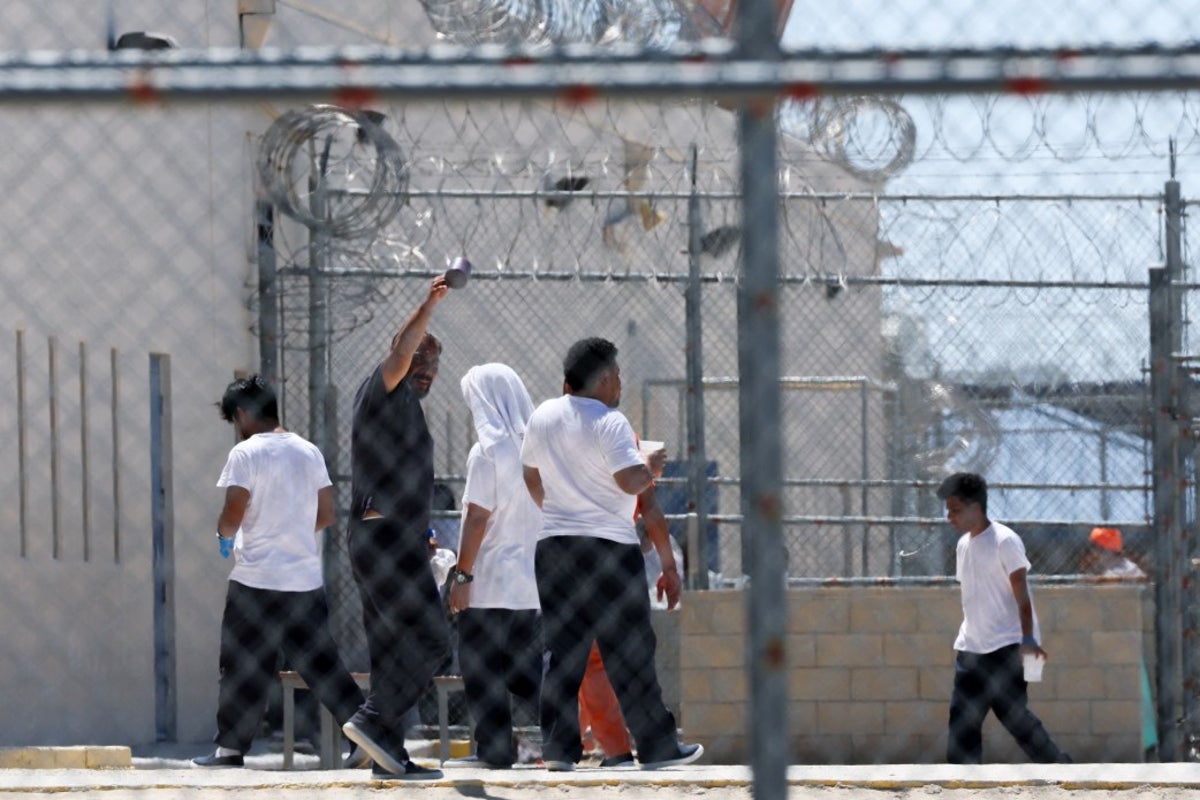
The outrage machine is currently redlining over the news that Immigration and Customs Enforcement (ICE) shuttered the Office of the Immigration Detention Ombudsman (OIDO). Critics scream that this is a green light for abuse. They claim the removal of a specific "watchdog" entity translates directly to a collapse of human rights. This reaction is as predictable as it is intellectually shallow.
Bureaucracy has a funny way of convincing the public that more layers equals more safety. In reality, oversight offices often become high-priced paper shredders where accountability goes to die in a pile of red tape. If you want to actually fix the "explosion" of force in detention centers, you don't do it by adding more middle managers with clipboards. You do it by streamlining the chain of command and forcing the existing leadership to own their failures instead of outsourcing "oversight" to a separate, toothless department.
The Watchdog Fallacy
Most people believe that creating an independent office to investigate abuse is an objective good. It sounds logical. But I have seen how these structures operate from the inside. When you create a specialized oversight office like OIDO, you effectively give the operational side of the agency a "get out of jail free" card.
The logic of the bureaucrat follows a path of least resistance: "That’s not my job to investigate; send it to the Ombudsman."
By siloing the responsibility for ethics and force-reduction into a separate office, you decouple it from the day-to-day operations of the facilities. The facility managers stop viewing safety and compliance as their primary metric because they know a separate entity is supposed to be the "watchdog." When that entity inevitably fails to keep up with the volume of complaints, everyone shrugs.
Closing these offices isn't a retreat from accountability. It is an opportunity to re-integrate those responsibilities into the direct line of authority. If a Warden or a Field Office Director cannot maintain order without excessive force, they should be fired. They shouldn't be "monitored" by a third party for three years while a report is drafted.
Why Use of Force Statistics Are Lying to You
The headlines point to a surge in use-of-force incidents as proof that the system is breaking. This is a classic case of data being used to fit a narrative without context.
First, look at the population shifts. Detention centers are dealing with a demographic change in the detained population that involves higher percentages of individuals with criminal records or ties to organized crime compared to previous decades. When the threat profile of a population rises, the frequency of physical intervention rises. That isn't "abuse"; it’s the reality of maintaining a secure environment.
Second, consider the "Reporting Paradox." In any law enforcement environment, an increase in reported use-of-force incidents often correlates with better transparency, not worse behavior. When agencies tighten their reporting requirements—mandating that even a minor physical restraint be logged as a "use of force"—the numbers skyrocket.
The "lazy consensus" assumes that a higher number equals a more violent culture. The nuanced truth is that a high number often reflects an agency that is finally counting every single interaction. If ICE was truly trying to hide abuse, these numbers wouldn't be exploding; they would be zero.
The Myth of the Neutral Observer
The OIDO was sold as an "independent" voice. Let’s be real. It was a taxpayer-funded entity housed within the same Department of Homeland Security it was meant to criticize. True independence in a federal hierarchy is a myth.
These offices often fall into one of two traps:
- Regulatory Capture: They become too cozy with the agency they monitor, eventually serving as a PR shield that "vets" complaints to make them look less severe.
- Political Weaponization: They become a tool for whichever administration is in power to either bury scandals or manufacture them to suit a policy shift.
By eliminating the middleman, the public and the legal system can move directly to the source of the data. We don't need a summary report from an Ombudsman. We need the raw body cam footage and the direct testimony of the officers involved.
The High Cost of Performance Oversight
Oversight is expensive. We are talking about tens of millions of dollars spent on salaries for investigators, analysts, and directors who have zero power to actually change policy or terminate a bad actor. They can "recommend." They can "suggest." They can "highlight."
They cannot fire.
In a business context, if you have a department that costs $20 million a year and has a 0% success rate in enforcing its own findings, you cut it. You take that $20 million and you put it into better training for the frontline staff. You put it into technology that automates compliance, like AI-driven video monitoring that flags anomalies in real-time, rather than waiting for a human "ombudsman" to read a complaint six months after the fact.
Decentralizing Accountability
The most controversial truth that nobody admits is that the centralized oversight model is a relic of the 20th century. It assumes that a centralized hub of "wise men" can effectively monitor thousands of employees across hundreds of facilities.
It fails because it’s not scalable.
The solution isn't another office in D.C. The solution is radical decentralization.
- Body Cams as the Primary Auditor: If every interaction is recorded and the data is accessible to legal counsel and the courts, you don't need an Ombudsman. The footage is the oversight.
- Performance-Based Contracts: Most detention centers are run by private contractors like CoreCivic or GEO Group. Instead of an oversight office, the contracts should include "Nuclear Options"—immediate termination of the multi-million dollar contract if use-of-force incidents exceed a specific threshold without justification.
Money talks louder than an Ombudsman’s report. If a company stands to lose a $500 million contract because their guards are too aggressive, they will police themselves far more effectively than a government watchdog ever could.
The Danger of My Proposed Path
I’m not saying this is without risk. When you remove a layer of oversight, you create a vacuum. If that vacuum isn't filled with better technology and harsher contract enforcement, then yes, the critics are right—abuse will thrive.
But clinging to a failed model of "Office-Based Oversight" is just a way to feel good while the problem persists. It’s security theater for the soul. It allows activists to point at a building and say, "See? We’re doing something," while the actual conditions on the ground remain stagnant.
Stop Asking for More Watchdogs
The "People Also Ask" sections of the internet are filled with queries about how to make ICE more "humane." They are asking the wrong question. You don't make a law enforcement agency humane by adding a complaint department. You make it professional by raising the barrier to entry for staff, increasing the stakes for failure, and removing the bureaucratic cushions that protect leadership from the consequences of their subordinates' actions.
The dissolution of the Ombudsman's office is a stripping away of the facade. It forces the agency to stand on its own record. It removes the "we’re looking into it" excuse that specialized offices provide to the Secretary of Homeland Security.
The heat is now directly on the leadership. There is no one left to blame for a lack of oversight. If the numbers continue to climb, it is a direct failure of the Director, not a lack of a subcommittee.
We don't need more observers. We need more consequences.
Fire the managers who oversee the "explosions" of force. Cancel the contracts of the companies that can't control their staff. Use the money saved from the OIDO's payroll to pay for the lawsuits that will inevitably follow. That is how you create change in a massive system—not by writing more reports that nobody reads.
Stop mourning the death of a redundant office and start demanding the heads of the people who actually run the facilities.