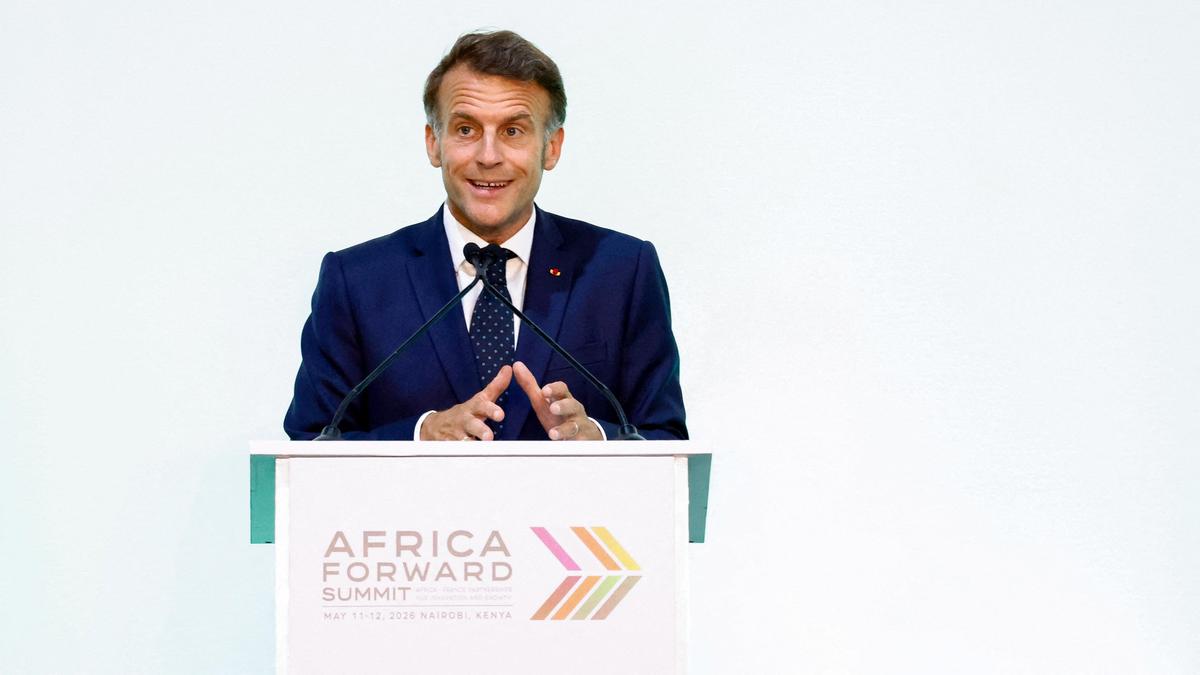
Emmanuel Macron just can't seem to get out of his own way when it feels like he's trying to lead. During a high-stakes summit in Kenya intended to reset the relationship between France and the African continent, the French President did something that has now become a textbook example of diplomatic tone-deafness. He interrupted a panel discussion. It sounds small on paper, but the optics were disastrous. It wasn't just a breach of protocol; it was a visual metaphor for the very paternalism African leaders have been trying to dismantle for decades.
If you're wondering why a simple interruption caused a massive backlash, you've got to look at the history. France has a complicated, often painful relationship with its former colonies. When Macron stepped onto that stage and cut off speakers to insert his own perspective, he didn't look like a modern collaborator. He looked like an old-school schoolmaster. That's a bad look in 2026, especially when Africa’s geopolitical weight is growing and leaders there have plenty of other partners—like China and Brazil—who are more than happy to listen without interrupting.
The moment that sparked the Macron backlash in Kenya
The incident happened during a session focused on green finance and global trade. African leaders and experts were discussing the systemic hurdles they face in the global market. Macron, apparently feeling that the nuance of the French position wasn't being fully captured, took it upon himself to break the flow of the conversation. He didn't wait for a moderator to call on him. He just jumped in.
People in the room noticed. The social media reaction was almost instant. You don't go to someone else's house to tell them how to talk about their own problems. By interrupting, Macron effectively silenced the very voices he claimed he wanted to amplify. It’s a classic case of saying one thing and doing another. He talks about "a new era of equality," but his body language and conversational style still scream "Paris knows best."
France is currently fighting to maintain influence in West and East Africa. With several Sahel nations turning their backs on French military support and looking toward alternative security partners, France is on shaky ground. This summit in Nairobi was supposed to be a charm offensive. Instead, it became a reminder of why many African intellectuals and politicians find the French approach so grating.
Why diplomatic etiquette isn't just about manners
Diplomacy is about power. When you control the microphone, you control the narrative. In a room full of sovereign leaders, the act of interrupting is a power play, whether Macron meant it to be or not. Experts in international relations often point out that France struggles with its "great power" identity. Macron wants to be the guy who fixes the world's problems, but he often forgets that you can't fix a relationship if you're the only one talking.
The backlash wasn't just from the people in the room. It resonated across the continent. From Dakar to Nairobi, the sentiment was the same: France needs to stop talking down to Africa. The era of Françafrique—that shadowy web of political and economic influence—is supposed to be over. But when the French President acts like the smartest person in every room, it makes people wonder if the mindset has actually changed at all.
The rising cost of French arrogance
France isn't the only player in the game anymore. This is the part Macron seems to miss. In the past, African nations might have put up with a bit of condescension because France was a primary source of aid and security. That's gone.
- China provides massive infrastructure loans without the lectures on governance.
- Russia provides security contractors.
- The United States is ramping up its own investment initiatives.
When Macron interrupts a panel in Kenya, he’s not just being rude; he’s being a bad businessman. He’s devaluing the "France" brand in a market that has more options than ever. If you're a Kenyan tech entrepreneur or a Nigerian oil executive, why would you want to deal with a partner who doesn't let you finish your sentence?
Understanding the African perspective on sovereignty
To understand the weight of this backlash, you have to realize that sovereignty is the most precious commodity in African politics today. After centuries of colonialism and decades of being told what to do by the IMF and the World Bank, African leaders are asserting their right to define their own path.
The panel in Kenya was about more than just money. It was about respect. The speakers were discussing how the global financial architecture is rigged against developing nations. When Macron interrupted, he proved their point. He showed that even in a forum meant for "equal" dialogue, the Western power still felt entitled to the last word.
Critics on the ground in Nairobi pointed out that Macron’s "Jupiterian" style of leadership—a term often used in France to describe his top-down approach—doesn't translate well abroad. It's one thing to be a forceful leader in the Élysée Palace; it's another thing entirely to try and dominate a stage shared with other heads of state.
How France can actually fix its image
If France wants to stay relevant in Africa, Macron needs a total shift in strategy. It's not about more summits or more flowery speeches about shared history. It's about silence.
- Listen more than you speak. This sounds like basic advice, but for a leader like Macron, it’s clearly a challenge.
- Stop the stage-managed events. People see through the curated town halls. They want real, unfiltered dialogue where the French President is a participant, not the star.
- Address the double standards. You can't talk about democracy and sovereignty while simultaneously backing certain autocratic regimes because they happen to be "friendly" to French interests.
The backlash in Kenya should be a wake-up call. The world is watching, and the old ways of doing business are failing. France is losing its grip on its traditional spheres of influence because it refuses to see African nations as true peers.
Macron’s interruption wasn't a mistake of the tongue. It was a mistake of the mind. It revealed a belief that his input is more valuable than the collective experience of the people living the issues being discussed. Until that core belief changes, France will keep facing these PR disasters.
Stop looking for the next big speech. Start looking for the "mute" button on the French ego. The next time a panel of experts is explaining the challenges of their own continent, stay in your seat, keep your hand down, and listen. That would be the most radical diplomatic move Macron could make.