The kitchen clock ticks with a heavy, rhythmic thud that seems to echo against the silence of the hallway. It is 6:00 PM. On a normal evening, the front door would have swung open by now. There would be the sound of oversized sneakers hitting the floorboards, the rustle of a backpack being dropped, and the immediate, familiar request for whatever was simmering on the stove.
But the door stays shut. The sneakers remain in the hallway, exactly where they were left yesterday morning.
When we read a headline about a teenager lost to a blade on a city street, our brains perform a defensive maneuver. We categorize it. We think of statistics, postcodes, and the broad, sweeping sociological terms that make the tragedy feel distant. We talk about "youth violence" as if it were a weather pattern—something regrettable but inevitable. We look at the dry facts: a time, a location, a medical report, and a brief quote from a grieving relative.
The reality is not a statistic. It is a bedroom that still smells like cheap cologne and laundry detergent. It is a half-finished video game level saved on a console that will never be turned back on. It is a mother who wakes up in the middle of the night, convinced for a split second that she heard her son’s laugh coming from the kitchen, only to be crushed by the weight of the stillness.
A Heart Without a Shield
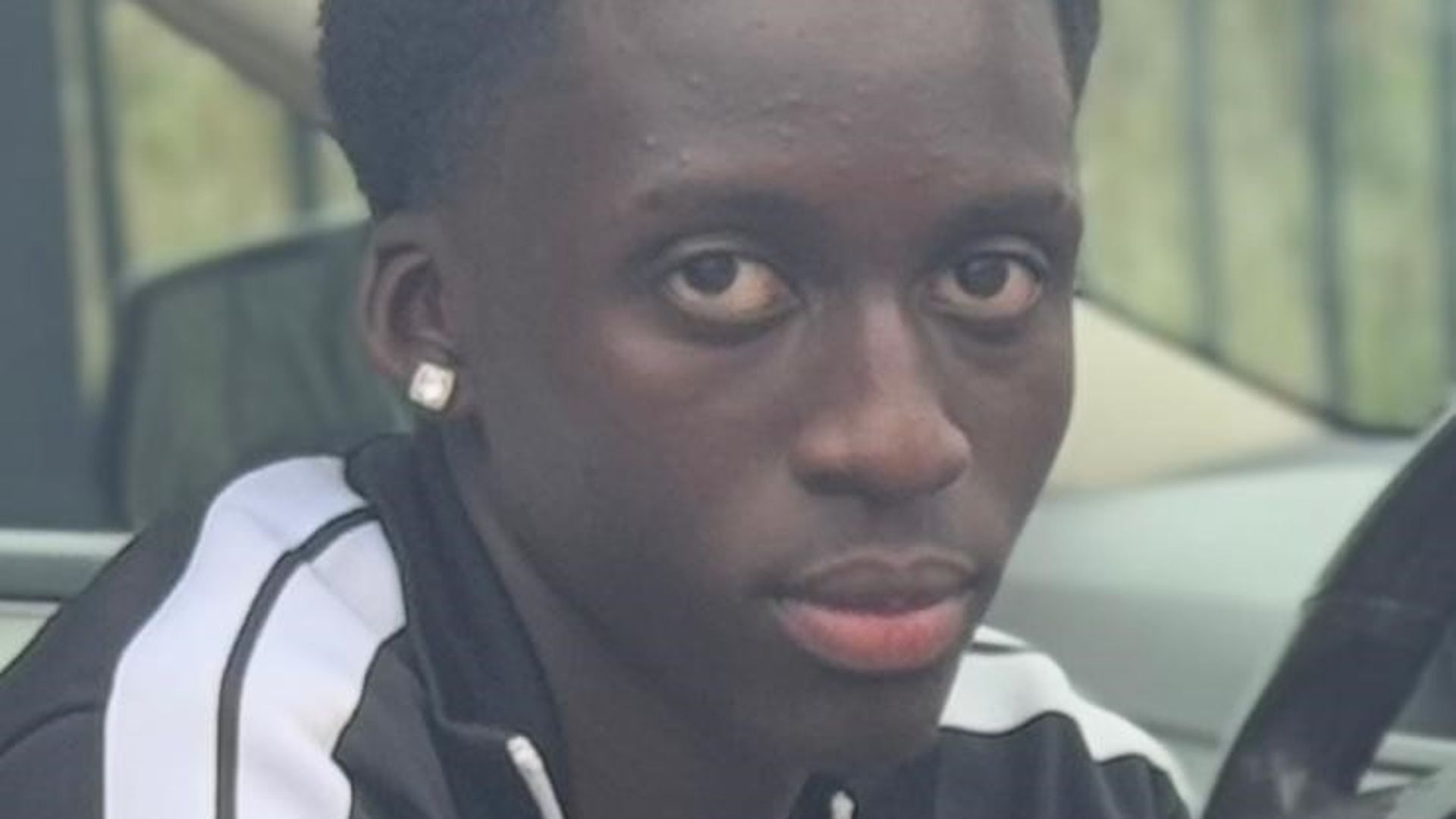
Those who knew him didn't talk about his "potential" in the way recruiters or teachers do. They talked about his spirit. They described a boy whose heart was "pure," a word we rarely use for teenagers in a world that demands they be cynical and tough before they even learn to shave.
To have a pure heart in a jagged environment is a form of quiet bravery. It means choosing kindness when the social currency of the street rewards aggression. It means being the son who still hugs his parents, the friend who listens instead of just waiting to speak, and the person who believes that things will get better if you just treat people right.
Think about the sheer vulnerability of that position.
Metaphorically, walking through certain neighborhoods with a "pure heart" is like carrying a glass sculpture through a riot. You aren't looking for a fight. You aren't part of the chaos. But glass doesn't have to be the target to be shattered. It only needs to be in the path of the debris.
The Anatomy of a Second
Violence is rarely a long, scripted drama. It is a series of frantic, ugly seconds that rewrite decades of history.
In one moment, a young man is walking home, perhaps thinking about a girl, or a math test, or what he wants for dinner. He is a collection of memories: the time he scraped his knee at age six, the first time he scored a goal, the way he felt when he finally grew taller than his father. He is a walking library of experiences and future dreams.
In the next moment, a piece of metal—cold, indifferent, and mass-produced—intersects with that life.
The physical mechanics are brutal and brief. The blade doesn't care about the victim’s "pure heart." It doesn't care that he was an "amazing son." It simply obeys the laws of physics. It pierces skin, severs vessels, and initiates a countdown that even the most skilled paramedics often cannot stop.
The tragedy isn't just the ending of a life; it’s the violent erasure of a future. Every book he would have read, every person he would have loved, and every child he might have fathered vanishes in the time it takes to blink. The world is suddenly, permanently lighter.
The Invisible Stakes
When these incidents happen, the public conversation shifts almost immediately to policy. We talk about stop-and-search powers, the number of officers on the beat, and the funding of youth centers. These are necessary discussions, but they often miss the human-centric core of the problem.
The real stakes aren't found in a government white paper. They are found in the ripple effect.
Consider a hypothetical younger brother. Let’s call him Leo. Leo didn't see the attack, but he saw the aftermath. He saw the police tape. He saw his parents collapse in the hallway. Now, when Leo walks to school, the world doesn't look like a playground anymore. It looks like a minefield.
The fear that ripples out from a single act of violence changes the way an entire generation breathes. It hardens hearts that were meant to stay soft. It makes children trade their innocence for a hyper-vigilance that no ten-year-old should possess. We lose the victim to the grave, but we lose dozens more to a culture of fear that tells them the only way to be safe is to be dangerous.
The Myth of the "Standard" Victim
There is a dangerous tendency to assume that if a young person is involved in a violent incident, they must have been "part of that world." It is a way for the rest of society to feel safe—a psychological wall that says, This won't happen to my children because they aren't like that.
But the story of the "amazing son" breaks that wall.
It reminds us that the victims of knife crime aren't just shadows in a dark alleyway. They are the boys who help their neighbors with their groceries. They are the teenagers who are the glue of their friend groups. They are the kids who stay out of trouble, work hard, and try to build something for themselves.
When a person like that is taken, the injustice feels sharper. It feels like a betrayal of the basic social contract. We tell our children: Be good, work hard, stay out of trouble, and you will be okay. When we fail to protect the ones who followed those rules, the words start to ring hollow.
The Weight of "Pure"
We often use the word "pure" to describe someone we’ve lost, perhaps because the act of grieving cleanses the memory of its flaws. But in this case, the word feels like a specific indictment of the world he left behind.
Purity implies a lack of armor.
To be pure is to be open. To be an amazing son is to be connected. These are the very qualities that make a human being beautiful, yet they are the qualities that the modern urban environment often seems designed to crush.
The loss isn't just a loss for the family. It is a loss for the neighborhood. Every time a "good kid" is taken, the collective hope of the community takes a hit. People start locking their doors a little earlier. They look at strangers with a little more suspicion. The social fabric doesn't just tear; it thins, becoming fragile and brittle.
Beyond the Yellow Tape
If you walk past the site of such a tragedy a week later, you will likely see a makeshift memorial. There will be bouquets of supermarket flowers, their plastic wrapping crinkling in the wind. There will be handwritten notes on soggy cardboard, filled with spelling errors and raw, unedited pain. "Miss you bro." "Gone too soon." "Love you forever."
People drive past these memorials every day. Most don't stop. They might feel a brief flicker of sadness, a momentary thought of how terrible, before their minds drift back to their to-do lists and their own anxieties.
But for one family, that spot on the pavement is now a permanent landmark. It is the place where their world stopped spinning.
They don't see a headline. They don't see a statistic. They see a face. They hear a voice that used to crack when he laughed. They remember the way he used to hog the remote or the specific way he liked his toast.
The real story of this tragedy isn't the violence itself. It is the endurance of that love in the face of such senselessness. It is a mother who continues to fold his clothes because she isn't ready to admit they won't be worn again. It is a father who sits in his car for twenty minutes after work because he can’t bear to walk into a house that feels so much larger than it used to be.
The Unanswered Question
We look for answers in the aftermath. We want a reason. We want someone to blame, a law to change, or a systemic failure to point to. We want the world to make sense again.
But there is no logic in the dirt.
There is no "reason" why a boy with a pure heart is gone while the person who took him still draws breath. There is only the jagged reality of a life cut short and the echoing silence of what should have been.
As the sun sets, the light catches the dust motes dancing in the air of a bedroom that is now a museum. The bed is made. The desk is cluttered with the artifacts of a life in progress. Somewhere in the house, a phone pings with a notification—a friend asking a question that will never be answered.
The tragedy of the amazing son is not that he died. It is that he was here, he was loved, he was needed, and then, in a heartbeat that the world barely noticed, he was gone.
The chair at the Sunday table remains empty. The dinner plates are set for one fewer than before. And the only thing left behind is the crushing, quiet weight of a goodness that the world wasn't strong enough to protect.