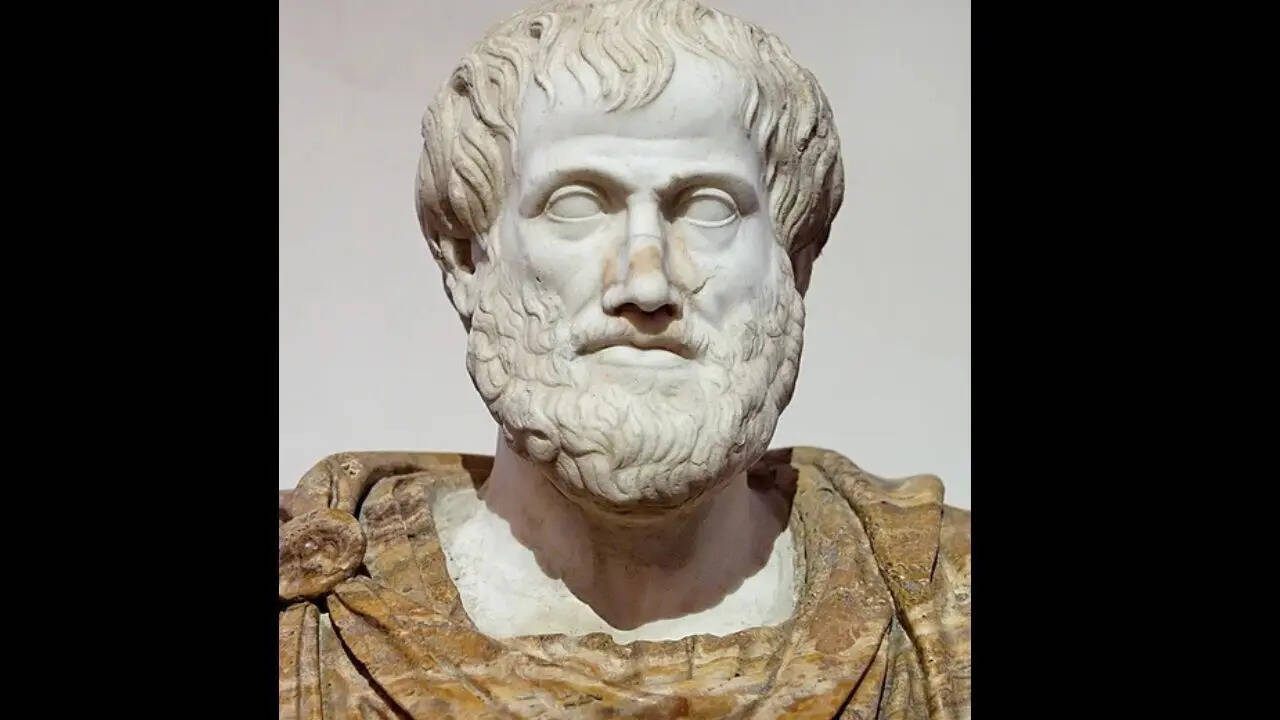
The current global education system is producing brilliant technicians who lack a moral compass. We are minting data scientists who can optimize algorithms for maximum engagement but cannot weigh the societal cost of digital addiction. We graduate lawyers who know every loophole in the tax code but feel no obligation to the common good. This is the precise crisis Aristotle warned about when he noted that sharpening the intellect while ignoring the "heart"—the seat of ethics, empathy, and character—is essentially a hollow exercise.
True education requires the simultaneous development of cognitive ability and moral reasoning. When these two tracks diverge, society faces a specialized form of incompetence where individuals are highly capable of doing things they should never do. This isn't just a philosophical debate; it is a systemic failure visible in boardroom scandals, polarized political discourse, and the general erosion of social trust. We have spent billions on STEM and standardized testing while treating "soft skills" or ethical grounding as an optional after-school elective.
The Mechanism of Emotional Intelligence
To understand why "educating the heart" matters, we have to look at how humans actually make decisions. Neurologically, the prefrontal cortex—the part of the brain responsible for logic and planning—does not function in a vacuum. It is deeply connected to the limbic system, which processes emotions.
When an individual lacks emotional training, they struggle with "affective forecasting." They can calculate the immediate gain of an action but cannot feel the weight of its long-term consequences on others. A person with a highly trained mind but an unrefined heart is essentially a high-performance engine without a steering wheel. They move fast, but they have no way to avoid a collision when the path ahead gets complicated.
Why Logic Alone Fails the Modern Professional
Industry leaders often complain about a "skills gap," but they are looking at the wrong metrics. The real gap is one of temperament. A software engineer can write perfect code, but if they cannot handle criticism or understand the human impact of their interface designs, their technical skill becomes a liability.
In the corporate world, we see this play out in the "brilliant jerk" archetype. These are individuals with off-the-charts IQs who destroy team morale and drive away talent because they never learned the basics of empathy or self-regulation. We have built an meritocracy that rewards what you know, but we are starting to realize that who you are determines whether that knowledge is used for construction or destruction.
The Historical Shift Toward Sterile Learning
The divorce of character from curriculum wasn't an accident. It was a byproduct of the industrial revolution’s need for interchangeable workers. Schools were redesigned to produce obedient, efficient cogs who could perform specific tasks without questioning the broader purpose of their labor. This "factory model" of education prioritized measurable outputs over the messy, unquantifiable work of building a person's soul.
Over time, the humanities were pushed to the margins. History, philosophy, and literature—the very subjects that force students to grapple with moral ambiguity and the human condition—were deemed "unproductive." We replaced the search for meaning with the search for a paycheck. Consequently, we have a generation that is technically proficient but philosophically adrift, possessing the tools to change the world but no coherent vision of what a better world actually looks like.
Resistance to Character Based Education
The most common counter-argument to Aristotle’s premise is that "the heart" is subjective. Critics argue that schools should stick to facts and figures because teaching values risks indoctrination. This is a shallow defense. While specific political or religious dogmas vary, universal virtues like honesty, courage, and perseverance are the bedrock of any functioning civilization.
Ignoring these traits doesn't create a neutral environment; it creates a vacuum. In that vacuum, the loudest or most manipulative voices usually take control. If we don't teach students how to think critically about their own biases and emotions, we leave them vulnerable to every marketing campaign and political demagogue that comes their way.
The Cost of Ethical Illiteracy
We see the bill for this neglect in every sector of public life.
- In Finance: The 2008 crash was not caused by a lack of mathematical talent. It was caused by thousands of highly educated people who prioritized personal profit over systemic stability.
- In Technology: Social media platforms were designed by geniuses who understood dopamine loops but failed to consider how those loops might erode the fabric of democracy.
- In Medicine: We see physicians who can diagnose a rare disease in seconds but struggle to look a patient in the eye and deliver bad news with genuine compassion.
These aren't technical failures. They are failures of the heart.
Rebuilding the Foundation
Fixing this requires more than just adding a "Civics" class once a week. It requires a fundamental shift in how we value achievement. We must stop treating emotional intelligence as a secondary trait. It is a primary one.
In practical terms, this means integrating ethical dilemmas into every subject. A math teacher shouldn't just teach statistics; they should teach how statistics can be manipulated to lie. A biology teacher shouldn't just teach genetics; they should lead a debate on the ethics of gene editing. We need to force students to step out of the abstract and into the uncomfortable reality of human impact.
The Responsibility of the Individual
Wait-and-see approaches to systemic change are usually just an excuse for inaction. If the institutions are failing to educate the heart, the burden falls back on the individual and the community. This involves a conscious effort to pursue "moral friction"—engaging with ideas and people that challenge your comfort zone and force you to exercise empathy.
It means reading deeply, practicing active listening, and holding yourself accountable to a standard higher than just "is this legal?" or "does this pay well?" Wisdom is not something you download. It is something you forge through the consistent application of your values in difficult situations.
A person who knows everything but cares about nothing is not educated; they are merely dangerous. The ultimate goal of learning is not to become a walking encyclopedia, but to become a human being capable of contributing something of value to the world. Anything less is just sophisticated noise.
Stop measuring your progress by your certificates and start measuring it by the quality of your relationships and the integrity of your choices.