Don't be fooled by the photos of families reuniting on the streets of Caracas. While the world watches the dramatic fallout of Nicolás Maduro’s capture by U.S. forces in January 2026, a much quieter, more insidious game is being played in the halls of the Venezuelan National Assembly. Acting President Delcy Rodríguez wants you to believe the new Amnesty Law is a bridge to national reconciliation. In reality, it’s a filter designed to keep the most "dangerous" voices of dissent exactly where they are—silenced.
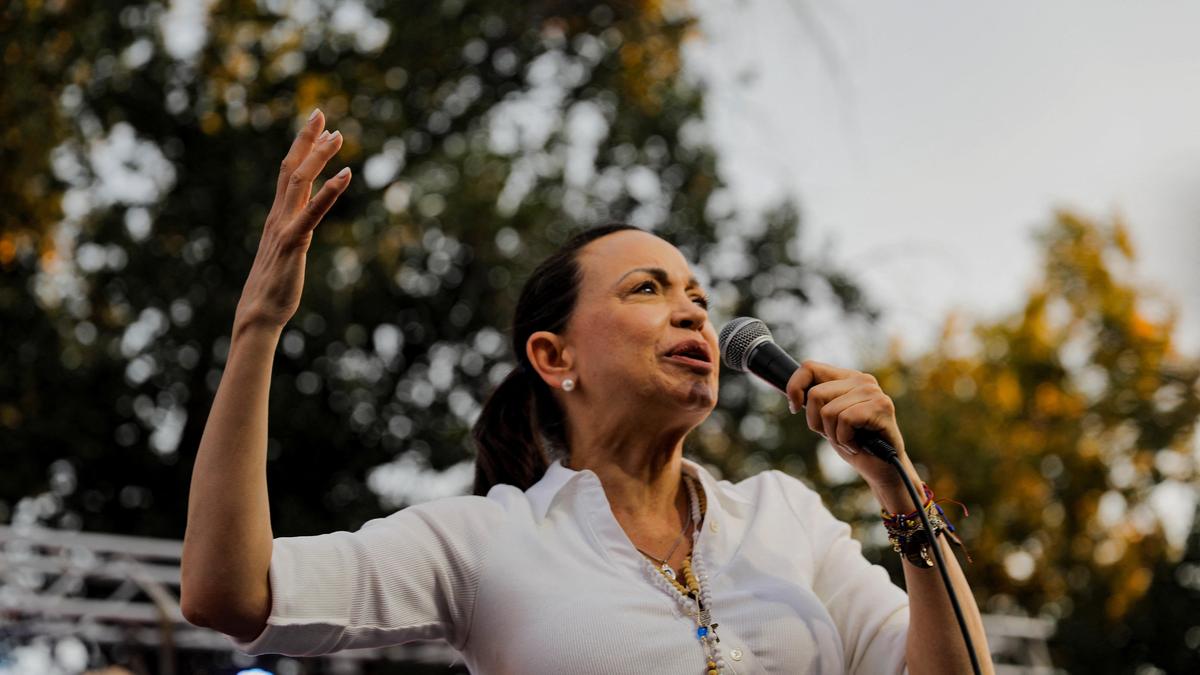
Opposition leader María Corina Machado isn't staying quiet about it. On March 14, 2026, she called the program exactly what it is: selective justice. It’s a mechanism that rewards some while maintaining a chokehold on others, particularly those who were most effective at challenging the regime's grip on power. If you’re looking for a sign that the post-Maduro era is a clean break from the past, this isn't it.
Why the Amnesty Law is a Calculation Not a Kindness
The legislation, signed into law on February 19, 2026, was supposed to turn the page on nearly three decades of state-sponsored repression. It covers a massive timeline—from 1999 to 2026. On paper, it looks like a sweeping gesture of peace. In practice, the Delcy Rodríguez administration is using Article 9 of the law as a surgical tool.
This specific article bars anyone accused of "promoting foreign military intervention" from receiving amnesty. It’s a trap. For years, the ruling party has used this exact narrative to label every major opposition figure as a traitor. By keeping this language in the law, the government has essentially given itself a "legal" reason to keep leaders like Machado—and her closest advisors—under the thumb of the state.
Machado’s own lawyer, Perkins Rocha, is the face of this failure. Despite the new law, a court recently denied his amnesty request. Rocha has been under house arrest since August 2024, wearing an electronic ankle monitor and forced to check in with authorities every three hours. If the lawyer of the most prominent opposition figure in the country can't get amnesty, what does that say about the "freedom" being promised to everyone else?
The Numbers Don't Add Up
You'll hear the government brag about releasing 7,000 people. It sounds impressive until you look at the fine print. That number includes people who were already on parole or had minor "presentation" requirements. When it comes to actual political prisoners—the people rotting in El Helicoide or Ramo Verde for their ideas—the reality is much grimmer.
- Foro Penal, the leading NGO tracking these cases, confirms that while about 690 political prisoners have been released since Maduro was ousted in January, at least 500 remain behind bars.
- The "revolving door" effect is still in full swing. For every high-profile release meant to satisfy the U.S. State Department, new arrests are quietly made to keep the population in check.
- Many of those "released" aren't actually free. They face "conditional liberty," meaning they can't speak to the press, can't leave the country, and must report to a judge every 30 days.
This isn't just a slow bureaucracy. It’s a strategy. By releasing just enough people to keep international pressure from boiling over, the Rodríguez government is trying to buy time and legitimacy while keeping its repressive machinery oiled and ready.
The Targeted Exclusion of the Military
One of the biggest gaps in the 2026 amnesty law is the treatment of military personnel. If you were a soldier who refused to fire on protesters in 2024, don't expect a pardon. The law heavily excludes members of the security forces accused of "terrorism" or "treason," labels frequently slapped on any officer who showed a hint of loyalty to the constitution over the party.
Nearly 400 people associated with military cases—including the families of officers who were detained as leverage—are effectively locked out of this process. This exclusion proves that the government is still terrified of a military that doesn't march in lockstep with the PSUV. Reconciliation doesn't mean much when the people who represent the country's actual defense are still treated as enemies of the state.
What Real Transition Should Look Like
If Venezuela were actually moving toward democracy, amnesty wouldn't be a gift dispensed at the whim of a judge. It would be a transparent, unconditional process. True transitional justice requires more than just opening a few prison doors; it requires dismantling the laws that made those arrests possible in the first place.
Right now, the same judges who signed the arrest warrants for protesters in 2024 are the ones deciding who gets amnesty today. It’s a rigged system. Until the judiciary is independent and the "anti-hate" laws—which criminalize basically any social media post criticizing the government—are repealed, any amnesty is just a temporary reprieve.
Machado is right to be angry. She’s calling for a transition that is "ordered and civic," but you can’t have that when the government is still using the legal system to "prolong the terror," as she put it. The international community, especially the U.S., needs to realize that checking a box on prisoner releases isn't the same as restoring the rule of law.
Practical Steps for Following the Situation
If you’re trying to understand if Venezuela is actually changing or just rebranding, watch these specific markers over the next few weeks:
- The Case of Perkins Rocha: If Rocha isn't granted amnesty on appeal, it’s a clear signal that the government has no intention of allowing the opposition’s legal and intellectual leadership to operate freely.
- UN Fact-Finding Mission Access: Watch if the government allows the UN investigators back into the country with full access. Their last reports labeled the detentions as "crimes against humanity." If they stay barred, the repression stays active.
- The Status of "Conditional" Releases: Pay attention to whether those released in February and March actually have their cases closed. If they are still required to report to courts, they are essentially hostages on a longer leash.
The fight for Venezuela didn't end when Maduro was flown to New York. In many ways, the fight against a "selective" and "conditional" democracy is just beginning. Keep your eyes on the court rulings, not just the airport reunions.
Next Step: You should monitor the social media channels of Foro Penal (@ForoPenal) and Maria Corina Machado for real-time updates on the appeals process for excluded prisoners, as these will be the first indicators of whether the government will cave to pressure or double down on Article 9 exclusions.