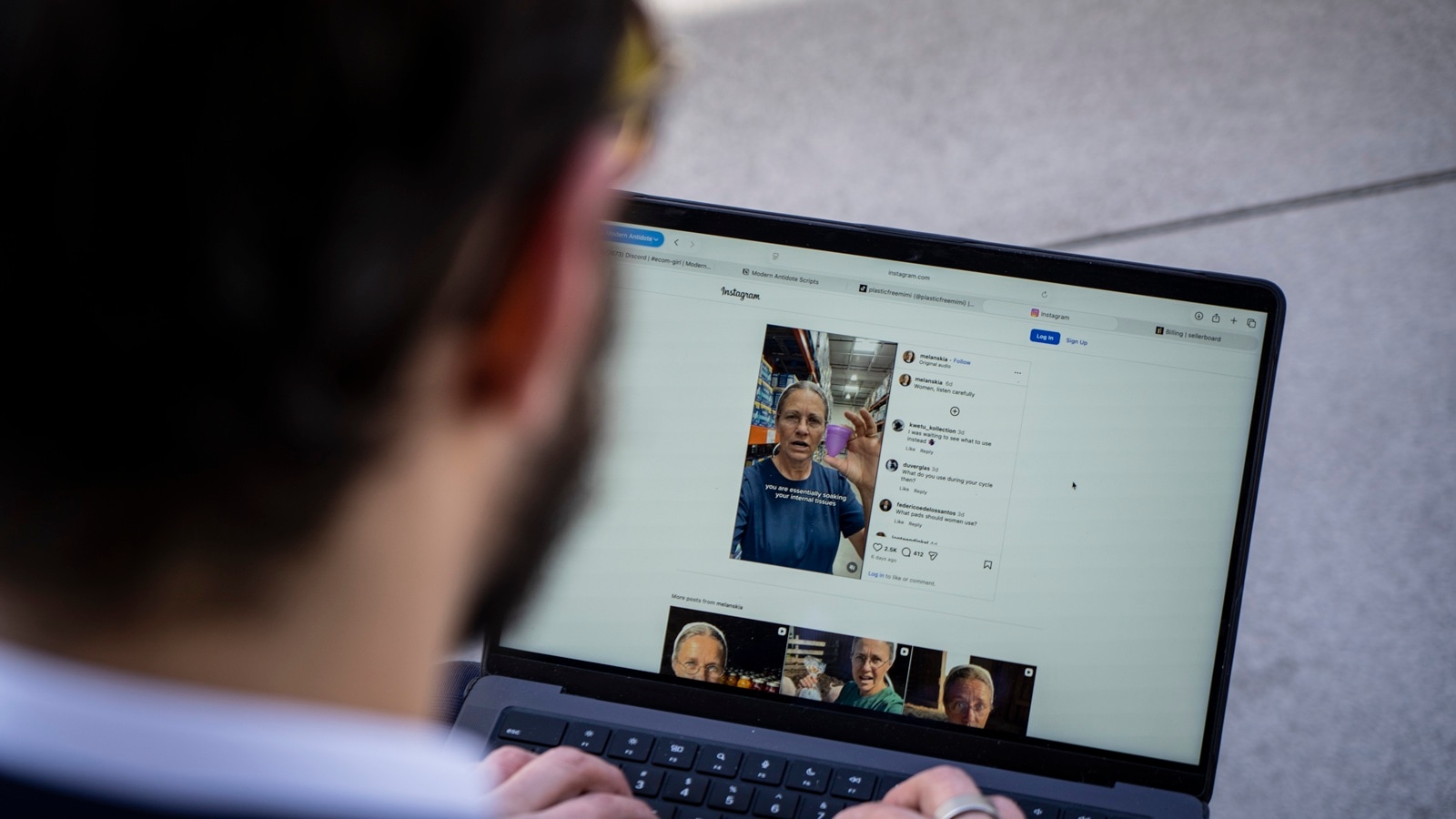
The man on your screen wears a plain black vest and a wide-brimmed hat. Behind him, a pristine red barn sits under a cloudless sky. He speaks with a rhythmic, rural cadence about the dangers of modern processed oils and the "God-given" benefits of a specific herbal tincture. He looks Amish. He sounds Amish. But if you try to find his farm in Lancaster County, you will realize he does not exist. He is a collection of pixels generated by a diffusion model, voiced by a synthetic speech engine, and deployed by a performance marketer sitting in a glass office in Miami or Dubai.
This is the new face of the supplement industry.
We have moved past the era of the human influencer. Real people are expensive, they are prone to scandals, and they eventually demand higher commissions. AI avatars, however, are the perfect vessels for medical misinformation. They tap into deep-seated cultural archetypes—the "simple" farmer, the "enlightened" monk, the "rugged" frontiersman—to bypass our natural skepticism. By the time the viewer realizes they are watching a digital puppet, the checkout process is already halfway complete.
The Architecture of Digital Deception
The mechanics of this hustle are remarkably simple. A marketer identifies a high-margin supplement, such as a "brain booster" or a "parasite cleanse." Instead of hiring a spokesperson, they use tools like HeyGen or ElevenLabs to create a persona that radiates unearned authority.
The choice of character is never accidental. The Amish avatar is used because Western consumers associate that community with purity, tradition, and a rejection of "Big Pharma." When a digital Amish man tells you that a specific root will cure your joint pain, he is leveraging a centuries-old reputation for honest living to sell a product he has never touched.
The AI monk operates on a similar frequency. Cloaked in saffron robes and speaking over a backdrop of mist-covered mountains, he offers "ancient wisdom" that just happens to be bottled in a plastic jar for $49.99 plus shipping. These characters work because they represent the opposite of the frantic, tech-saturated world we inhabit. They are the ultimate irony: high-tech illusions used to sell a return to nature.
Why the Algorithms Love the Lie
Social media platforms are not just hosting these ads; they are actively optimizing their reach. The engagement metrics for these synthetic prophets are staggering. Because the creators can produce a thousand variations of the same video in a single afternoon, they can "A/B test" every single element of the pitch.
They change the color of the barn. They adjust the pitch of the voice. They swap the background music from a flute to a fiddle. Within hours, the platform’s algorithm identifies which specific combination of pixels and sound waves triggers the highest click-through rate among women aged 45 to 65. Once the "winning" version is found, the marketer pours tens of thousands of dollars into the ad spend.
This creates a feedback loop where the most effective lie becomes the most visible content. Traditional journalists and medical professionals cannot compete with this volume. A doctor might spend hours filming one video debunking a claim; in that same time, a single bot farm can generate ten thousand videos reinforcing it.
The Regulatory Void
Current consumer protection laws are struggling to keep pace. The Federal Trade Commission (FTC) has rules against deceptive advertising, but those rules were written for a world where you could subpoena a real person. When the "person" in the ad is a nameless file on a server, enforcement becomes a game of whack-a-mole.
Furthermore, these ads often dance on the edge of legality by using "structure-function" claims. They don't say the supplement cures cancer; they say it "supports cellular health." It is a linguistic shell game that provides just enough legal cover to stay active on major ad networks.
The platforms themselves claim to have policies against "misleading synthetic media," but their detection systems are primarily tuned for deepfakes of celebrities or politicians. A generic "wise old man" or "country farmer" doesn't trigger the same alarms. As long as the ad spend keeps flowing, the platforms have very little financial incentive to scrub these profitable ghosts from their ecosystem.
The Cost of the Invisible Pitchman
The danger here isn't just a wasted fifty dollars on a bottle of sawdust. The real cost is the total erosion of the "source." When we can no longer distinguish between a human with a reputation and a bot with a script, the value of actual expertise plummets toward zero.
We are seeing the commodification of trust. Marketers are strip-mining the cultural capital of religious and traditional groups to move inventory. This isn't just business; it is a form of digital identity theft on a global scale.
If you see an avatar offering a shortcut to health, look for the seams. Check the hands; AI still struggles with fingers. Listen for the lack of a natural breath. Most importantly, ask why a community that rejects the internet would be buying targeted Facebook ads for a "limited time offer" on magnesium gummies.
The next time a digital monk tells you to open your heart, remember that he’s actually just trying to open your wallet. Check the "About Us" page on the website. If there are no names, no physical addresses, and no verifiable lab reports, you are not looking at a breakthrough. You are looking at a mirage.