The radio in an air traffic control tower is not just a tool for communication. It is a tether. On one end is a human being sitting in a climate-controlled room, staring at a flickering screen that represents the world in neon green pulses. On the other end are hundreds of lives hurtling through the atmosphere at hundreds of miles per hour. When that tether snaps, the world doesn't just go quiet. It breaks.
In the early morning mist of the Jorge Chávez International Airport in Lima, the silence was shattered by a sound that no pilot, controller, or passenger ever expects to hear: the grinding, explosive scream of metal meeting metal on a runway that should have been clear.
LATAM Airlines Flight 2213 was a machine in its prime. A narrow-body Airbus A320neo, it was designed for efficiency, speed, and safety. As it began its takeoff roll, the engines roared with the focused intent of defying gravity. The pilots were locked into a choreography of checks and balances. V1. Rotate. These are the milestones of flight. But as the nose lifted, a fire engine—a massive, red intruder—lurched onto the runway directly into the path of the accelerating jet.
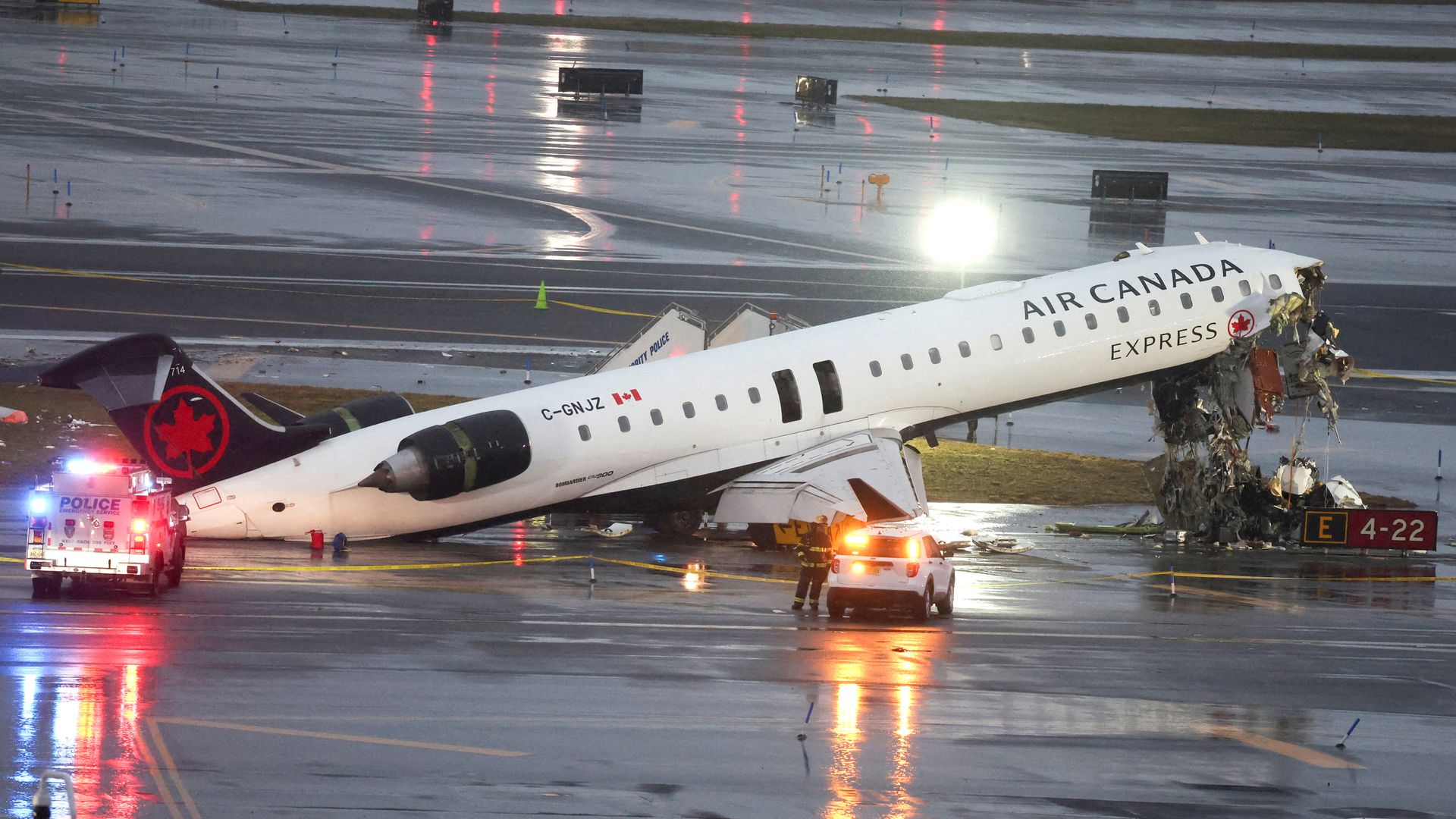
The collision was instantaneous. The right wing of the Airbus sliced through the truck like a hot blade through wax. Two firefighters died on impact. A third would struggle for months before succumbing to injuries. The plane, now a crippled bird trailing a plume of fire and jet fuel, skidded down the tarmac, a terrifying slide that felt like an eternity to those trapped inside the cabin.
The Illusion of Control
We like to believe that systems are foolproof. We build layers of redundancy, we write thick manuals, and we train professionals until their reactions are instinctive. But the tragedy in Lima reveals a terrifying truth about the "human element" we so often praise. Sometimes, the human element is the very thing that fails when the machinery of bureaucracy becomes too complex.
In the aftermath, the black box and the tower recordings began to paint a picture not of a single mistake, but of a systemic collapse. It wasn't that the air traffic controller was silent. In fact, he was shouting.
"Stop, stop, stop!"
The words are captured on the recording, a frantic staccato of desperation. He saw the fire engine. He saw the plane. He saw the physics of a catastrophe unfolding in real-time. He spoke the command repeatedly. But a command is only as good as the ear that receives it. In those critical seconds, the firefighters in that truck weren't listening to the tower’s frequency. They were participating in a planned emergency drill. They believed they had been given the "all clear" to cross the runway as part of a response exercise.
Imagine the cockpit of that fire engine. The sirens are wailing. The adrenaline is pumping. You are a first responder, trained to save lives, practicing for the very moment a plane might crash. You are focused on your objective, your eyes scanning the horizon for a hypothetical fire, never realizing that you are about to become the cause of a real one.
The Language of Logistics
When we talk about "runway incursions," the term sounds clinical. It sounds like a minor scheduling conflict at a business meeting. In reality, it is the most dangerous scenario in aviation. A runway is a sacred space. It is a one-way street where the traffic moves at speeds that make braking impossible.
Consider the physics. An Airbus A320neo weighs roughly 70 tons. At takeoff speed, it is moving at 150 miles per hour. A fire engine is a heavy, armored box of water and equipment. When these two forces meet, the math is unforgiving. $F = ma$. Force equals mass times acceleration. In this equation, the human body is nothing more than a fragile variable.
The investigators found that the firefighters were under the impression that the drill they were conducting had granted them total priority. They were operating in a bubble of perceived safety. Meanwhile, the controller was operating in the reality of a busy international airport.
The gap between those two worlds was a failure of coordination that no amount of shouting into a microphone could bridge.
The Burden of the Voice
There is a specific kind of trauma reserved for the person who watches a disaster happen and is powerless to stop it. The air traffic controller in Lima didn't just see the crash; he narrated it. He spent the final seconds of those firefighters' lives trying to reach them through a radio frequency they weren't monitoring.
This isn't just about a lack of technology. Most modern airports use ground radar systems designed to alert controllers when a vehicle enters a restricted zone. But alerts are only useful if there is time to react. In this case, the fire engine entered the runway just as the plane reached its point of no return.
The pilot of Flight 2213 had no chance. By the time the red shape of the truck appeared in his windscreen, the physics of flight had already claimed him. He was committed to the air. To abort at that speed would have been just as deadly. He was caught between a collision on the ground and a stall in the sky.
The Invisible Stakes of a Drill
Why do we run drills? We run them to ensure that when the "Big One" happens, we are ready. But there is a bitter irony in a safety exercise that ends in a funeral.
The investigation into the Lima crash focused heavily on the communication protocols between the airport's rescue services and the tower. It turned out that the "clearance" the firefighters thought they had was part of a pre-arranged plan that hadn't been fully synchronized with the actual, live traffic on the runway. It was a failure of the "interface."
In the tech world, we talk about "user interface" or "API calls." In aviation, the interface is the human voice. It is the handover from one controller to another, the confirmation of a coordinate, the "read-back" of an instruction. If one link in that chain of speech is broken, the entire system crashes—literally.
The firefighters were brave men. They were doing their jobs. They were moving toward what they thought was a mission of mercy. Their families now live with the knowledge that their loved ones died because of a misunderstanding. A word missed. A frequency not tuned. A "stop" that came too late.
The Tarmac is a Living Thing
If you've ever sat in a window seat, waiting for your flight to take off, you've seen the dance. The fuel trucks, the luggage carts, the catering vans, and the fire engines. They move like ants around a giant, silver queen. It looks chaotic, but it is supposed to be a perfectly choreographed ballet.
Every person on that tarmac is part of a hive mind. They are held together by a shared understanding of the rules. But rules are static. Life is dynamic. The weather changes. A radio glitches. A human being, tired from a long shift or focused on a drill, makes a single, fatal assumption.
The Lima crash wasn't a "freak accident." It was a reminder that we are always just one missed syllable away from disaster. The "stop" that the controller yelled wasn't just a command for a truck; it was a plea to the universe to undo the last thirty seconds.
But the universe doesn't have an undo button.
The Lingering Echo
Months after the smoke cleared, the aviation world began to change. New protocols were drafted. More rigorous communication standards for ground vehicles were implemented. We do this every time. We learn from the blood on the tarmac. We update the manuals. We add more layers to the system, hoping that next time, the tether won't snap.
But the real work happens in the minds of the people who still sit in those towers and drive those trucks. They carry the weight of the Lima crash with them. They know that "safety" is not a destination you reach; it is a state of constant, exhausting vigilance. It is the knowledge that every time you say "clear for takeoff," you are betting everything on the hope that everyone else is listening.
The survivors of Flight 2213 walked away from a burning wreck, shaken but alive. They are the lucky ones. They get to go home and forget the sound of the impact. The controller, however, will always hear his own voice. He will always hear the word "stop" echoing in a room where no one answered.
We build these massive machines and these sprawling airports to conquer time and space. We feel like giants when we fly. But we are never more human, and never more vulnerable, than when we are waiting for a voice on the radio to tell us that the path ahead is clear.
The runway is long, the engines are loud, and the margin for error is thinner than the paint on a wing.
Would you like me to analyze the specific regulatory changes implemented in South American aviation safety protocols following this incident?