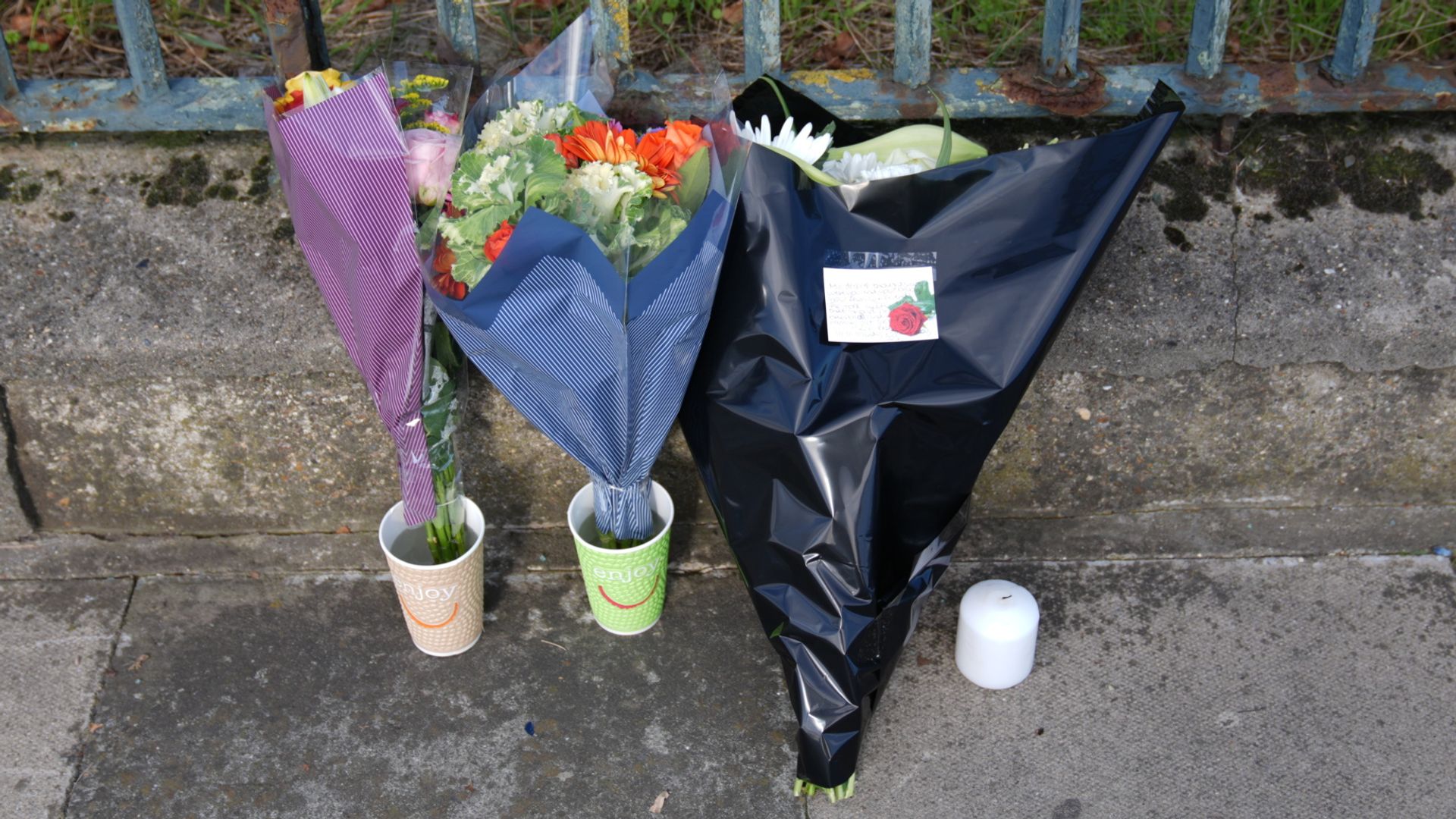
The press release is predictable. Two officers charged. A pregnant woman dead. The public-facing narrative shifts immediately into the comfortable, well-worn grooves of "justice being served." We focus on the individuals, the handcuffs on the uniforms, and the looming court dates.
It is a lie.
Charging individual officers after a catastrophic failure is not accountability; it is a pressure-relief valve for a broken system. By focusing the crosshairs on two specific people, the institution of policing successfully offloads its systemic negligence onto a couple of sacrificial lambs. We are watching a high-stakes shell game where the prize is public peace, bought at the cost of genuine reform.
The Myth of the Bad Apple
The "Bad Apple" defense is the most successful propaganda campaign of the 21st century. It suggests that if we just pluck the rot out of the barrel, the rest of the fruit stays sweet. This ignores the biology of the barrel itself.
When a pregnant woman dies during an encounter with law enforcement, the failure started months—perhaps years—before the sirens were even turned on. It started with training protocols that prioritize "compliance" over "de-escalation." It started with a recruitment crisis that lowers the bar for entry. It started with a culture that views the public as an insurgency rather than a community.
Charging these officers allows the department to say, "This isn't us. This is them." It effectively ends the conversation about policy and starts a conversation about criminal intent. This is a massive win for the status quo. If the system is "working" because it prosecutes its own, then the system doesn't need to change.
I have watched this cycle repeat for twenty years. The headlines scream about the charges, the news cycles churn through the trial, and meanwhile, the exact same pursuit policies and use-of-force guidelines remain taped to the precinct walls.
The Performance of Justice
True accountability is proactive. Charging someone after a death is reactive. It’s a mop for a flooded basement that still has a burst pipe.
When we look at cases involving pregnant victims, the complexity of the "threat assessment" becomes a legal battlefield. Prosecutors will argue the officers failed their duty of care. The defense will argue they followed their training to the letter. If they followed their training and someone still died, then the training is the killer.
Why aren't the training directors charged? Why isn't the chief of police held civilly liable for the failure of oversight? In the corporate world, if a product kills a consumer due to a known design flaw, the CEO doesn't just fire the assembly line worker and call it a day. The company pays. The structure changes. In policing, we allow the structure to remain invisible while we obsess over the individuals.
The Policy Failure Trap
Most police departments operate on a "Reasonable Officer" standard, derived from Graham v. Connor. This standard asks what a "reasonable" officer would do in the same situation, given the information they had at the time.
The problem? "Reasonable" is defined by the very culture that produced the incident. If the culture is aggressive, then aggression is reasonable. It is a circular logic loop that protects the institution. When officers are charged, the prosecution has to prove they were "unreasonable"—which usually means proving they deviated from training.
If they didn't deviate from training, and the outcome was still a dead mother and child, the charges are a charade. They are meant to fail at trial or result in a plea deal that keeps the policy flaws out of the discovery process.
The Cost of the "Quick Charge"
There is a hidden danger in the rush to charge. It creates a "chilling effect," but not the kind you think. It doesn't make officers more careful; it makes them more defensive and less transparent.
When the threat of individual prosecution is the only tool in the box, officers stop reporting near-misses. They stop critiquing each other’s tactical errors. The "Blue Wall" isn't just about protecting a friend; it’s a survival mechanism against a department that will throw you to the wolves to save its own budget.
We should be looking at "Sentinel Event Reviews"—a model borrowed from aviation and healthcare. When a plane crashes, we don't just blame the pilot and move on. We tear the plane apart. We look at the cockpit ergonomics. We look at the air traffic control logs. We look at the sleep schedules of the maintenance crew.
Policing refuses this level of scrutiny. It prefers the drama of the courtroom because the courtroom is about "guilt," not "improvement."
Beyond the Courtroom
If you want to stop pregnant women from dying in police encounters, stop asking "Were the officers charged?" and start asking:
- What was the pursuit threshold? Was a minor traffic violation worth a high-speed chase in a populated area?
- What is the "Duty to Intervene" record? Has any officer in this department ever been disciplined for failing to stop a colleague's excessive force?
- Where is the insurance? Why aren't officers required to carry individual malpractice insurance, much like doctors? Let the private market price out the "bad apples" through unpayable premiums.
The current system relies on the public’s short memory. It relies on the emotional satisfaction of seeing a "perp walk" featuring a badge. But until we stop treating these tragedies as isolated criminal acts and start treating them as predictable system failures, the charges are nothing more than a PR stunt.
The handcuffs on those officers are a blindfold for the public. Remove the blindfold. Look at the badge, yes, but look at the department that pinned it on them.
Stop settling for the theater of prosecution while the factory of negligence keeps running at full capacity.