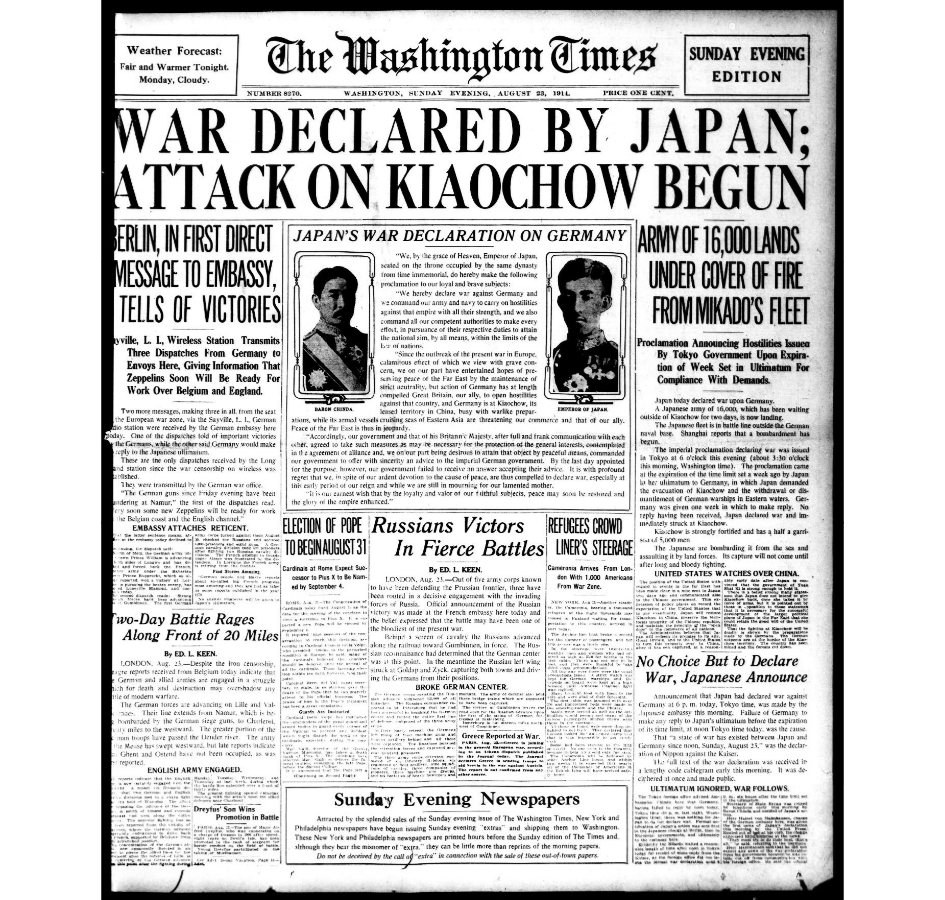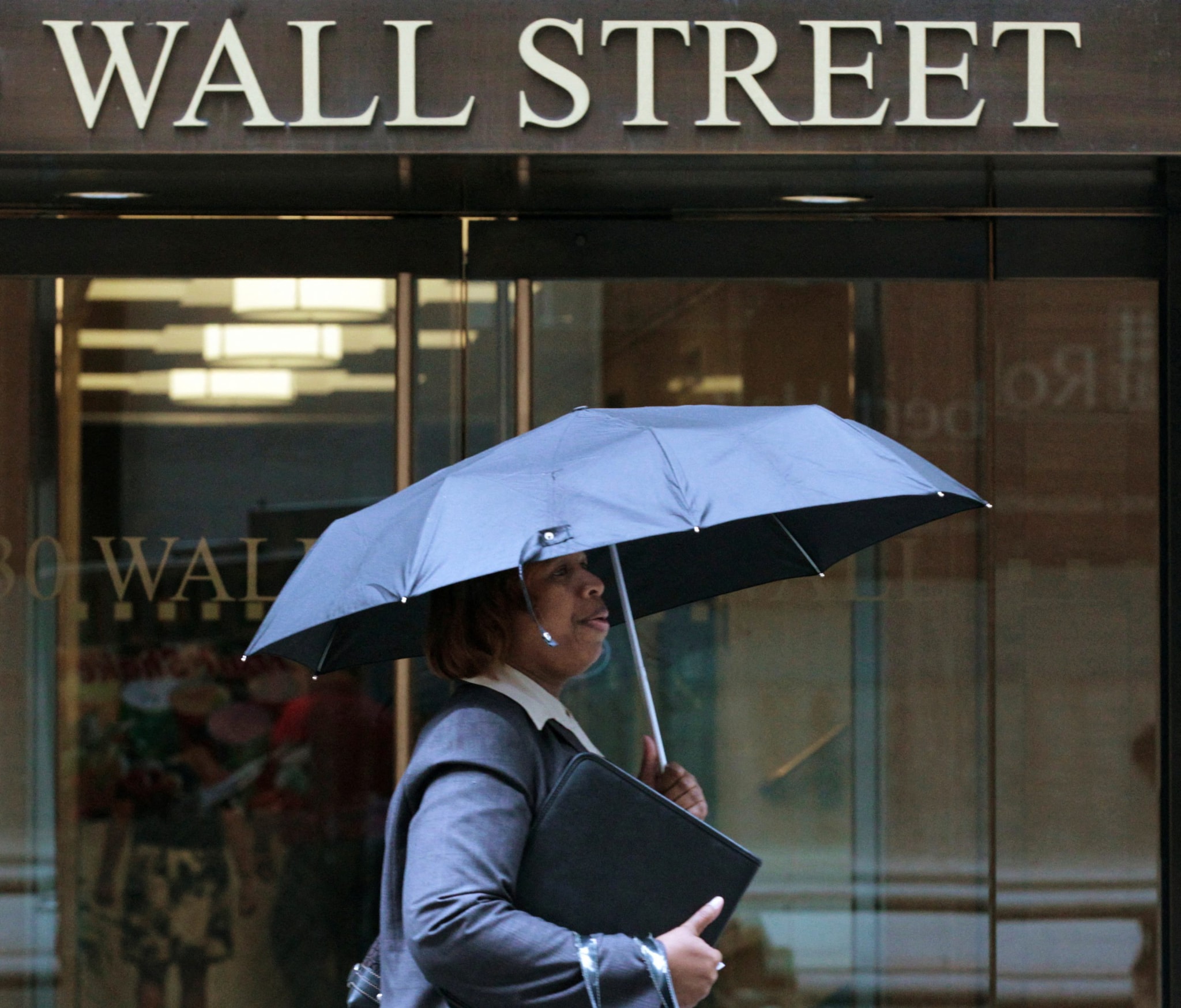
Wall Street is currently addicted to the "peace pivot." When the premarket data flashed green this morning—with Dow futures jumping 200 points and the S&P and Nasdaq following suit—the narrative in the trading pits was immediate and simplistic. The surge is being credited to a perceived breakthrough in geopolitical negotiations. Traders are buying the rumor, betting that a diplomatic resolution will cool energy prices and restore global supply chains. However, this knee-jerk optimism ignores the structural decay underneath the rally. Premarket gains are notoriously thin, often driven by low-volume algorithmic trading rather than genuine institutional conviction. While the headlines scream about a bull market return, the reality is a desperate hunt for any excuse to ignore the looming threat of stagflation and the Federal Reserve’s increasingly cornered position.
The Low Volume Trap
Premarket movements are often a hall of mirrors. Because the volume of shares traded before 9:30 AM is a fraction of the regular session, small orders move the needle disproportionately. Professional desk traders know this. They use these early spikes to lure retail investors into long positions before the "smart money" starts selling into the strength at the opening bell.
A 200-point jump in the Dow sounds significant, but in an era of high volatility, it represents a standard deviation move that can be erased in seconds. The current rally relies on a binary outcome: either a total cessation of hostilities or a radical shift in central bank policy. If neither occurs with surgical precision, the floor falls out. Markets are currently pricing in a "goldilocks" scenario that assumes peace leads immediately to lower inflation. This is a fundamental misunderstanding of how deeply embedded price pressures have become in the global economy.
The Geopolitical Risk Premium
Geopolitics is rarely a clean trade. Even if peace talks progress, the sanctions and trade barriers erected during the conflict are not easily dismantled. We are looking at a permanent shift in the cost of doing business.
Energy Independence and Sticky Inflation
The assumption that a diplomatic resolution will instantly drop oil prices to pre-conflict levels is a fantasy. Energy markets have been structurally undersupplied for years due to a lack of capital expenditure in traditional extraction. Peace might remove the immediate "fear premium," but it won't fix the supply-demand imbalance.
- Infrastructure Lead Times: You cannot simply flip a switch to bring dormant refineries or pipelines back to peak capacity.
- Inventory Rebuilding: Strategic reserves across the globe are depleted. Any dip in prices will be met with massive government buying to restock, effectively putting a high floor under the market.
The Logistics of De-escalation
Shipping lanes don't clear overnight. The insurance premiums for vessels in contested waters remain elevated for months after a ceasefire. This means the "peace dividend" that the market is currently celebrating will take quarters, not days, to hit the bottom lines of major corporations.
Decoding the Nasdaq Surge
The Nasdaq’s outperformance in this premarket window is particularly telling. It reveals a market that is still stuck in the growth-at-any-price mindset of the last decade. Investors are flocking back to big tech because they view these companies as safe havens with high margins. Yet, these are the same companies most sensitive to interest rate hikes.
If peace talks actually succeed, it may ironically hurt tech stocks. A more stable global environment allows the Federal Reserve to be more aggressive with its tightening cycle. They no longer have the excuse of "geopolitical uncertainty" to remain dovish. In this scenario, the discount rate applied to future earnings increases, making high-multiple tech stocks less attractive. The market is currently trying to have its cake and eat it too—cheering for peace while ignoring that peace clears the runway for the Fed to crush liquidity.
The Margin Debt Shadow
There is a massive amount of leverage propping up these futures. Margin debt remains near historic highs despite the recent pullbacks. When the market rallies on thin premarket volume, it often triggers "short covering." This is when traders who bet against the market are forced to buy back shares to close their positions, which artificially inflates the price.
This isn't organic buying. It's forced buying. Once the short positions are covered, the upward momentum vanishes. If the news out of the peace talks turns sour even slightly, the liquidations will be twice as fast as the rally. We are seeing a market that is wide but not deep.
Corporate Earnings and the Reality Gap
While futures traders watch news tickers, the actual economy is grappling with a different set of numbers. We are entering an earnings season where guidance is more important than the past quarter's results.
Companies are facing a three-headed monster:
- Rising Labor Costs: Wage growth is accelerating, and it's notoriously difficult to reverse.
- Input Cost Lag: The high prices for raw materials today won't show up fully in consumer prices for several months.
- Consumer Exhaustion: Savings rates are falling as people spend more on essentials like food and fuel, leaving less for the discretionary products that drive the S&P 500.
A 200-point jump in the Dow does nothing to solve the fact that the average consumer is reaching a breaking point. If the people buying the products can't afford the prices, the "peace rally" is just a temporary reprieve for a doomed business cycle.
The Fed is Not Your Friend
For years, the "Fed Put" was the ultimate safety net. Investors believed that if the market dropped 10%, the central bank would step in with more stimulus. That era is over. Inflation is at a forty-year high, and the Fed's primary mandate is now price stability, not market stability.
The premarket bulls are acting as if we are still in 2019. They expect the central bank to blink if the market gets too choppy. But the Fed needs to cool the economy to stop inflation. A rising stock market actually makes the Fed's job harder because of the "wealth effect." When people feel richer because their 401ks are up, they spend more, which keeps inflation high. Consequently, a strong premarket rally gives the Fed more room to raise rates by 50 basis points instead of 25. The market is effectively cheering for its own demise.
How to Navigate the Volatility
If you are looking at these premarket numbers and thinking about jumping in, you need to understand the mechanics of the "bull trap."
Watch the Opening Hour
The first sixty minutes of the regular trading session will tell the true story. If the premarket gains hold and volume increases, there may be actual institutional support. If the market opens high and immediately starts trending lower on high volume, you are looking at a classic "pump and dump" driven by the headlines.
Focus on Real Yields
Instead of looking at the nominal price of the Dow or Nasdaq, look at the bond market. If the 10-year Treasury yield is rising alongside the stock market, it’s a sign that the rally is built on sand. High yields eat equity valuations.
Sector Rotation Matters
In a true, healthy bull market, everything rises. In a "fake" peace rally, the gains are often concentrated in a few sectors while others lag. Look at the transport and small-cap stocks (the Russell 2000). If these aren't participating in the rally, the broader market is in trouble. They are the "canaries in the coal mine" for the real economy.
The Psychological Component
The current market sentiment is driven by exhaustion. Investors are tired of the volatility and the bad news. This creates a psychological bias where people latch onto any glimmer of hope, no matter how tenuous. Peace talks are the perfect catalyst for this bias. Even if the "talks" are just an agreement to meet again in two weeks, the market treats it as a signed treaty. This is emotional trading, not fundamental analysis.
History shows that markets often bottom when the news is at its absolute worst, not when it starts to get "less bad." We haven't seen the level of capitulation—the moment when everyone gives up and sells—that usually precedes a sustained bull run. Today's premarket activity looks more like a bear market rally, a sharp and violent move upward that serves only to trap more capital before the next leg down.
The reality of the current economic environment is that the easy money has been made. The days of buying any dip and waiting for a rescue are gone. We are moving into a period where the quality of earnings and the strength of balance sheets actually matter. A 200-point gap up in futures doesn't change the interest rate trajectory, it doesn't lower the cost of labor, and it doesn't fix the broken supply lines across the globe.
Stop watching the green arrows on your screen and start watching the credit markets. That is where the real story of the next six months is being written. If the cost of borrowing continues to climb, a hundred peace summits won't be enough to save a market built on cheap debt and optimism.
Move your capital into companies with actual pricing power and positive cash flow. Avoid the high-debt "zombie" firms that have survived only because of low interest rates. These companies will be the first to go when the liquidity finally dries up. The premarket rally is a gift for those looking to exit weak positions, not an invitation to double down on a fantasy.