The rapid-fire sequence of Iranian Foreign Minister Abbas Araghchi’s diplomatic engagements—moving from Moscow to Islamabad twice within a 48-hour window—signals a shift from reactive posturing to a structured "Strategic Depth" realignment. This is not merely a series of bilateral visits; it is an operational response to a deteriorating security environment in the Levant and a recalibration of Iran’s eastern flank. The primary objective is the synchronization of a multi-front containment strategy designed to mitigate the risks of a direct kinetic confrontation with Israel while securing the logistical and political backing of regional nuclear powers.
The Tri-Axis Alignment Framework
To understand Araghchi’s itinerary, one must apply a tri-axis framework consisting of military hardware procurement, regional border stabilization, and the creation of a "Diplomatic Shield."
The Moscow Vector: Security Guarantees and Hardware
The stop in Moscow serves as the foundation for the subsequent Pakistan visits. Iran’s current defense deficit lies in its aging air defense systems and the technical gap in its interceptor fleet. The Araghchi-Moscow dialogue centers on the acceleration of the Su-35 fighter jet delivery and the potential integration of S-400 missile systems.
From a data-driven perspective, the "Security Dependency Ratio" between Tehran and Moscow has inverted. Previously, Russia relied on Iranian loitering munitions (Shahed-136) for the Ukraine theater. Now, Iran requires Russian electronic warfare (EW) capabilities to jam Israeli long-range precision-guided munitions. Araghchi’s presence in Moscow was the technical precursor to his Pakistan talks, establishing the "permission structure" for Iran to act more aggressively on its eastern borders without fearing a total loss of northern theater support.
The Islamabad Pivot: Border Securitization vs. Strategic Neutrality
The Pakistan leg of the journey addresses a different variable: the Sistan-Baluchestan Friction Point. Iran faces a dual-threat environment where internal dissent is aggravated by militant groups like Jaish al-Adl operating across the Iranian-Pakistani border.
Araghchi’s primary task in Islamabad is the enforcement of the 2024 Security Agreement. The mechanism is simple: Iran offers Pakistan energy concessions (specifically regarding the long-stalled IP Gas Pipeline) in exchange for actionable intelligence and joint kinetic operations against Baluch militants.
The Logic of the 48-Hour Loop
The repetition of the Islamabad visit suggests a breakdown or a rapid evolution in negotiations that required immediate face-to-face rectification. In high-stakes diplomacy, a 48-hour return visit typically indicates a "Verification-Action Loop."
- Information Asymmetry Resolution: Iran likely presented intelligence regarding third-party (Israeli or American) influence within Pakistani border provinces.
- The Red Line Negotiation: Pakistan, a traditional ally of Saudi Arabia and a recipient of U.S. military aid, operates under a "Neutrality Constraint." Araghchi is attempting to widen the aperture of this neutrality, moving Pakistan from "Passive Observation" to "Active Border Cooperation."
- The Afghan Contingency: Both nations share a concern regarding the Taliban’s inability or unwillingness to curb IS-K (Islamic State Khorasan). The Araghchi mission aims to create a "Counter-Terrorism pincer" that prevents IS-K from exploiting the Iran-Israel tension to destabilize the broader region.
The Cost Function of Iranian Isolation
Tehran’s strategy is currently dictated by the Sanctions-Survival Equilibrium. Every diplomatic visit is a trade-off between domestic economic pressures and external defense spending.
Economic Interconnectivity as a Defense Mechanism
Iran is leveraging the "Security-Trade Linkage." By pushing for the China-Pakistan Economic Corridor (CPEC) to integrate with Iranian ports like Chabahar, Tehran seeks to make its territorial integrity a prerequisite for regional economic stability. If Iranian infrastructure becomes vital to Pakistani and Chinese trade routes, the cost of an Israeli or U.S. strike on Iranian soil increases exponentially due to the risk of collateral economic damage to neutral powers.
The Nuclear Signaling Variable
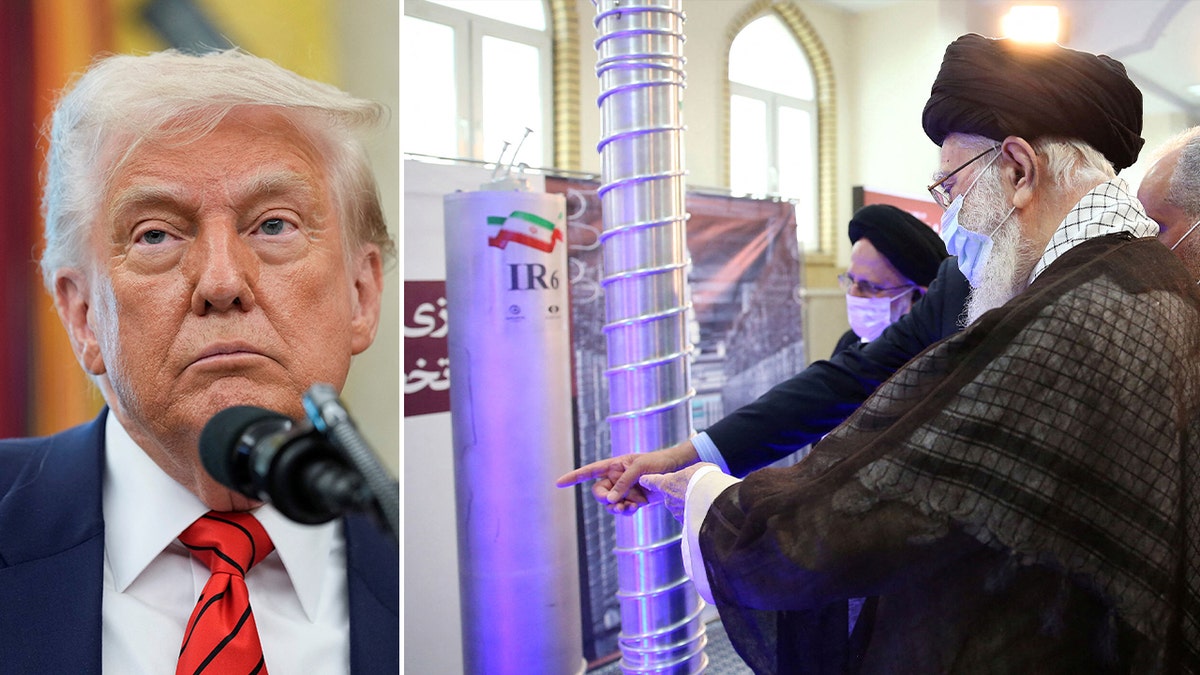
While the public discourse focuses on "regional peace," the underlying variable is Iran’s nuclear breakout capability. Araghchi, a veteran nuclear negotiator, uses these visits to signal that Iran is not isolated. The message to the West is clear: a strike on Iran’s nuclear facilities will trigger a coordinated regional response that involves the mobilization of proxies and the potential destabilization of the energy corridors Pakistan and Russia depend on.
Structural Bottlenecks in the Araghchi Doctrine
The success of this diplomatic blitz is hindered by three primary structural limitations:
- The Debt-Equity Swap: Iran has little hard currency to offer. Most "agreements" with Pakistan and Russia are based on bartering energy for security. This creates a ceiling for how much high-tech military hardware Russia is willing to provide.
- The Saudi-Pakistan Tether: Pakistan cannot pivot too closely to Tehran without risking its financial lifelines from Riyadh. This creates a hard cap on how much strategic depth Araghchi can actually secure in Islamabad.
- Intelligence Leakage: The rapid nature of these visits suggests a high level of urgency, which often leads to "Operational Insecurity." The more frequently Araghchi travels, the more opportunities there are for adversarial intelligence services to monitor the specific nature of the demands being made.
Operational Realignment and the Shift to "Grey Zone" Dominance
Araghchi’s movements indicate that Iran has abandoned the hope of a grand bargain with the West in the short term. Instead, the strategy has shifted to Grey Zone Dominance. This involves maintaining conflict levels just below the threshold of full-scale war while expanding the "Zone of Friction" to include the eastern borders.
The "Two-Visit" phenomenon in Pakistan points to a specific tactical request—likely related to the transit of personnel or the positioning of surveillance assets—that required high-level clearance from the Pakistani military establishment (The GHQ in Rawalpindi) rather than just the civilian government.
Strategic Play: The Regional Containment Circuit
The final move in this sequence is the formalization of a "Regional Containment Circuit." Iran is attempting to wrap its security concerns in the mantle of regional stability. By convincing Pakistan and Russia that an attack on Iran is an attack on the "Stability of the Global South," Tehran moves the conflict from a bilateral Iran-Israel issue to a multilateral systemic threat.
The immediate operational priority for the Araghchi mission is the establishment of a Joint Intelligence Center in the Sistan-Baluchestan region. This will serve as the functional test of the Islamabad talks. If the center is activated and cross-border militant activity decreases, Araghchi will have successfully secured his eastern flank, allowing Iran to reallocate its elite Revolutionary Guard (IRGC) resources to the western theater. Failure to secure this border will leave Tehran fighting a "War of Attrition" on two fronts, a scenario that the current Iranian economy cannot sustain for more than a fiscal quarter. The next 30 days of border activity will provide the empirical data needed to judge the efficacy of this 48-hour diplomatic sprint.