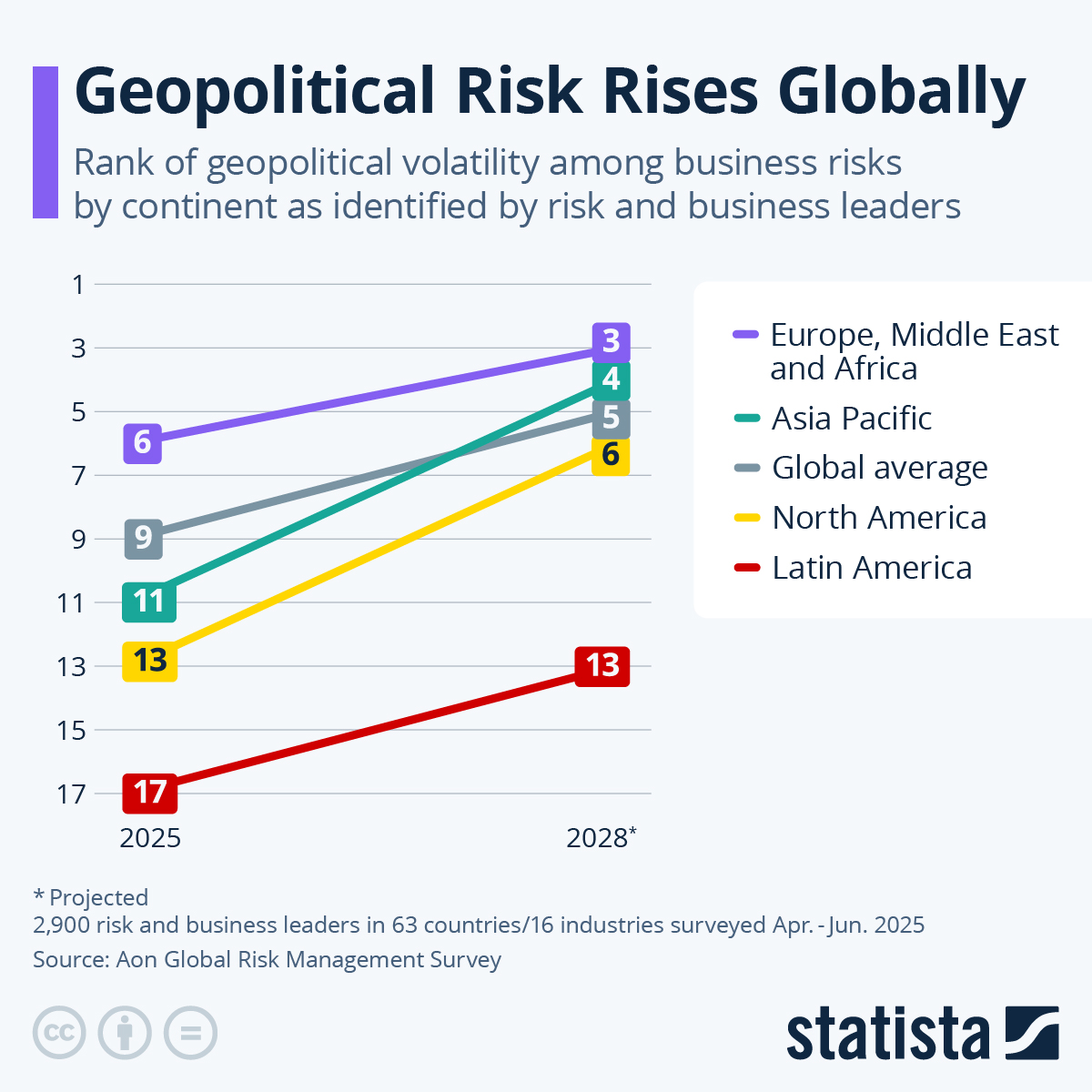
The stability of the United Arab Emirates’ (UAE) private sector relies on a specific demographic equilibrium that is currently being tested by escalating regional volatility. When conflict intensities rise in the Middle East, the Indian expatriate community—comprising approximately 35% of the UAE population—moves from a state of wealth accumulation to capital preservation and risk mitigation. This shift is not merely a psychological reaction; it is a calculated response to the "Triad of Expatriate Exposure": residency dependency, remittance sensitivity, and the absence of a social safety net for non-citizens. Analyzing the current "hunkering down" phenomenon requires deconstructing these economic levers and understanding how Indian human capital re-evaluates its position when the regional security premium spikes.
The Mechanistic Shift from Consumption to Liquidity
In periods of regional equilibrium, Indian expatriates in Dubai operate on a high-velocity consumption model. High disposable income, driven by the absence of personal income tax, typically flows into real estate, gold, and secondary education funds. However, as kinetic conflict moves closer to the Strait of Hormuz, the internal economic logic shifts toward liquidity.
The Liquidity Preference Function
The decision to "hunker down" is a mathematical reallocation of assets based on perceived exit timelines. The primary variables include:
- Repatriation Velocity: The speed at which fixed assets (property, vehicles) can be converted to cash.
- The Remittance Floor: The minimum capital required to maintain family obligations in India, which becomes more expensive if the UAE Dirham (pegged to the USD) fluctuates against a volatile Rupee.
- The Survival Buffer: A cash reserve intended to cover 6–12 months of living expenses in the event of sudden job loss or forced evacuation.
As these variables tighten, discretionary spending in Dubai’s retail and hospitality sectors experiences an immediate contraction. This is not a loss of wealth, but a strategic "sterilization" of capital. The Indian expatriate stops being a consumer and starts being a treasurer.
Structural Vulnerabilities in the Residency-Labor Link
The fundamental risk for the Indian expatriate is the binary nature of the residency visa. Unlike permanent residency models in the West, the UAE’s "Kafala-lite" system binds legal status directly to employment or specific investment thresholds. In a conflict scenario, the risk is not just physical safety, but the sudden "illegalization" of one’s presence if a company folds or downsizes.
The Portfolio of Risks
- Sectoral Contagion: Conflict impacts logistics, aviation, and tourism first. Since Indian professionals dominate the mid-to-senior management layers of these industries, they face the highest immediate risk of redundancy.
- The Schooling Trap: Education is the largest fixed cost for Indian families in Dubai. The inability to "pause" tuition fees or transition children mid-term to Indian curricula creates a massive financial bottleneck, forcing families to maintain high cash reserves even as they stop spending on everything else.
- Asset Stranding: For those who have utilized the "Golden Visa" or property-linked residency, a regional conflict threatens the valuation of the underlying asset. If the property market dips due to an exodus of foreign investors, the expatriate is "locked in" to a depreciating asset that they cannot sell without realizing a loss that might wipe out a decade of savings.
The Remittance Paradox and Currency Hedging
Indian expatriates are the world’s most efficient remitters. The UAE-India corridor is one of the densest financial pipelines globally. During conflict, one might expect a surge in remittances as people move money to "safer" Indian banks. However, the reality is more complex.
Expatriates often play the "Spread Games." They monitor the USD/INR exchange rate with clinical precision. If the conflict causes oil prices to spike, the USD (and thus the AED) strengthens, making it an opportune time to send money home. Conversely, if the conflict threatens UAE infrastructure, the perceived risk of keeping money in local banks outweighs the exchange rate benefits.
This creates a Bimodal Remittance Pattern:
- Defensive Remittance: Moving the "Survival Buffer" to NRE (Non-Resident External) accounts in India to ensure it is beyond the reach of regional geopolitical freezes.
- Opportunistic Holding: Keeping funds in AED to capitalize on potential currency swings, provided the local banking system remains liquid and accessible.
The Social Psychology of the "Invisible Safety Net"
The Indian community in Dubai operates via dense, informal networks—often based on regional or linguistic ties (Malayali, Punjabi, Gujarati). These networks serve as an informal insurance mechanism. When official channels become uncertain, these groups become the primary source of information and logistical support.
Network-Driven Risk Mitigation
- Information Asymmetry: Expatriates often trust community-led "WhatsApp intelligence" over official media. This can lead to herd behavior, such as simultaneous bank withdrawals or sudden spikes in airline bookings, even if the actual physical threat remains low.
- The "Reverse Migration" Blueprint: Many families are now maintaining "active" households in India—paying utilities and keeping staff—as a ready-to-use fallback. This "dual-home" strategy increases the cost of living but provides a psychological release valve that allows the primary earner to remain in Dubai longer than they otherwise would.
The Corporate Response: Talent Flight vs. Retention
For UAE-based firms, the "hunkering down" of Indian talent is a critical operational risk. If the most experienced segment of the workforce is mentally or financially preparing to leave, productivity drops.
The Institutional Bottleneck
Companies in the UAE rarely offer "war risk" clauses or evacuation guarantees to mid-level expatriate staff. This lack of institutional protection forces the individual to internalize the cost of geopolitical risk. When a senior Indian engineer or CFO decides to move their family back to Mumbai "until things settle," the local firm loses not just a worker, but the institutional memory and stability that the worker provided.
This creates a Talent Vacuity:
- Reduced long-term project commitments.
- A shift toward "mercenary" work cultures where employees prioritize short-term bonuses over long-term career growth within the UAE.
- Increased pressure on companies to provide offshore or remote work options, effectively "de-risking" the employee’s physical presence.
The Real Estate Decoupling
For decades, the Indian expatriate's ultimate goal was a 3-bedroom apartment in a "prime" Dubai district. Conflict changes the math on this investment. The logic of "Buy vs. Rent" is currently being re-evaluated through the lens of Force Majeure.
If a conflict disrupts the desalination plants or power grids—the lifeblood of a desert city—property values don't just decline; they become irrelevant for the duration of the crisis. Indian investors, who are traditionally risk-averse compared to high-net-worth Westerners or Russians, are the first to pivot back to a "Rent and Remit" strategy. This decoupling of Indian capital from the Dubai property market is perhaps the most significant long-term threat to the city’s economic diversification goals.
Strategic Play: The Diversified Residency Portfolio
The optimal move for an Indian expatriate in the current climate is no longer total integration into the UAE economy, but the development of a Distributed Life Strategy.
- Capital Bifurcation: Move 40% of liquid assets into USD-denominated offshore accounts, 40% into India-based fixed income, and keep only 20% in the UAE for operational expenses.
- Educational Agnostic: Prioritize international curricula (IB or IGCSE) that allow for seamless transfer to schools in India, Singapore, or the West, removing the "Schooling Trap" from the exit equation.
- The "Second Exit" Path: Actively pursue Canadian, Australian, or European residency pathways as a "Plan C." This reduces the psychological pressure of the UAE's employer-linked visa system.
The "hunkering down" of Dubai’s Indian community is a rational response to a system that offers high rewards but expects the individual to bear 100% of the geopolitical risk. Until the UAE introduces structural "Safety-Net" products—such as unemployment insurance for expats or non-employer-linked permanent residency for the middle class—the Indian community will continue to treat the country as a high-yield, high-risk trading floor rather than a permanent home. The strategic imperative for the individual is clear: prioritize mobility over fixed assets, and liquidity over status.