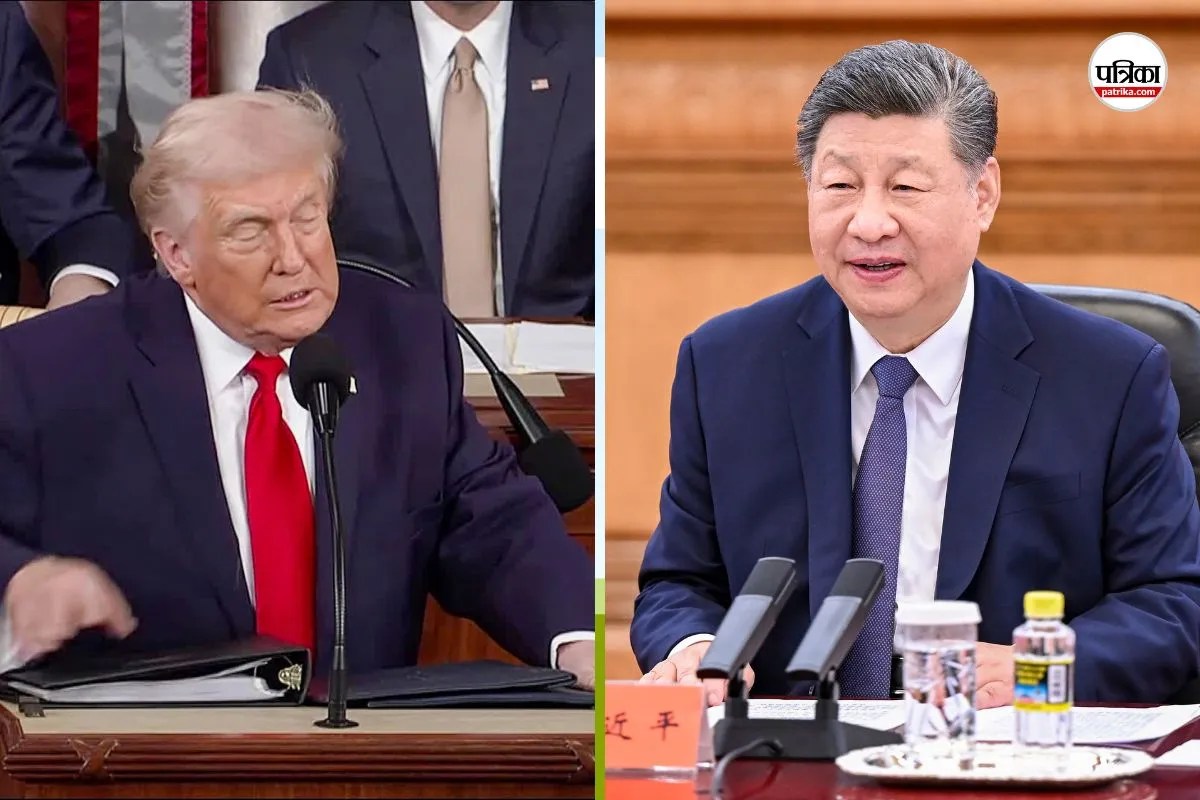
The global transition toward electrification and high-capacity computing is fundamentally a scramble for the periodic table. While the previous century was defined by the flow of hydrocarbons, the current geopolitical friction centers on the extraction, processing, and vertical integration of critical minerals—specifically cobalt, lithium, manganese, and copper. The United States, under a renewed Trump administration, is pivoting from a reactive trade posture to a proactive resource-denial strategy aimed at dismantling China’s decade-long dominance over African supply chains. This is not merely a diplomatic overture; it is a structural attempt to decouple the midstream processing of energy-transition metals from the Chinese industrial base.
The Architecture of Resource Dependency
The global supply chain for critical minerals functions as a three-stage funnel: extraction, refining, and component manufacturing. China’s strategic advantage does not lie solely in the ownership of African soil but in the near-total capture of the refining stage.
- Extraction (Upstream): Africa holds roughly 30% of the world’s mineral reserves. The Democratic Republic of Congo (DRC) accounts for over 70% of global cobalt production.
- Refining (Midstream): Regardless of where ore is mined, approximately 80% to 90% of global rare earth element refining and significant portions of lithium and cobalt processing occur within Chinese borders.
- Manufacturing (Downstream): This refined material feeds the production of Lithium-ion batteries (LiB), photovoltaic cells, and permanent magnets for electric vehicle (EV) motors.
The Trump administration’s framework targets the Midstream bottleneck. By incentivizing the construction of refineries on the African continent or within "friend-shored" jurisdictions, the U.S. aims to bypass the Chinese mainland entirely. This shift changes the cost function of mineral procurement from a "just-in-time" efficiency model to a "just-in-case" security model.
The Infrastructure Arbitrage Logic
China’s "Belt and Road Initiative" (BRI) succeeded by offering immediate, debt-heavy infrastructure in exchange for long-term mineral offtake agreements. This created a path-dependency where African nations were physically and financially tethered to Chinese logistics. The American counter-strategy relies on the Lobito Corridor—a rail project connecting the copper and cobalt mines of the DRC and Zambia to the Atlantic port of Lobito in Angola.
This infrastructure serves two analytical purposes:
- Logistical De-risking: It provides a direct westward route for minerals, reducing transit times to European and American markets by weeks compared to the traditional eastward routes through Dar es Salaam or Durban.
- Capital Displacement: By involving the G7’s Partnership for Global Infrastructure and Investment (PGI), the U.S. is attempting to offer a transparent, equity-based alternative to the opaque debt structures of Chinese state-owned enterprises (SOEs).
The success of this strategy hinges on whether the U.S. can match the speed of Chinese execution. Historically, American capital is risk-averse in frontier markets, whereas Chinese SOEs operate with a "state-directed" mandate that prioritizes strategic positioning over immediate internal rates of return (IRR).
The Cost Function of Decoupling
Removing China from the African mineral equation introduces significant inflationary pressures on green technologies. Chinese refining dominance is built on massive scale and lower environmental compliance costs. Replicating this infrastructure elsewhere involves high capital expenditure (CapEx) and higher operational expenditure (OpEx) due to stricter labor and environmental standards.
The "Trump Plan" operates on the hypothesis that national security premiums justify these higher costs. The mechanism for this is the Inflation Reduction Act (IRA) and subsequent executive orders that disqualify EV tax credits for vehicles containing "Foreign Entities of Concern" (FEOC) components. This creates a bifurcated market:
- A High-Cost "Clean" Supply Chain: Serving North American and European markets.
- A Low-Cost "Grey" Supply Chain: Continuing to feed Chinese manufacturing and emerging markets.
This bifurcation forces African nations into a precarious "swing producer" role. Countries like the DRC and Zambia are incentivized to play both sides, seeking U.S. infrastructure investment while maintaining Chinese offtake agreements to ensure price stability.
Tactical Realism in the DRC and Zambia
The primary friction point in this strategy is the existing ownership structure of African mines. In the DRC, Chinese firms own or have significant stakes in 15 of the 19 primary cobalt-producing mines. The U.S. cannot simply "take" these assets; it must outcompete them through:
- Regulatory Pressure: Encouraging African governments to audit "minerals-for-infrastructure" deals. Several DRC mining contracts have recently undergone renegotiation due to claims of under-valuation and non-compliance by Chinese partners.
- Technological Substitution: Investing in R&D for cobalt-free batteries (such as Lithium Iron Phosphate or LFP) to reduce the strategic leverage of current cobalt monopolies.
- Direct Financing: Utilizing the U.S. International Development Finance Corporation (DFC) to provide loan guarantees for Western mining juniors that are currently priced out by Chinese state-backed capital.
The Paradox of Environmental and Social Governance (ESG)
The U.S. approach is constrained by the very standards it seeks to promote. American firms are held to rigorous ESG standards, which makes operating in regions with high instances of artisanal mining and human rights concerns a significant reputational and legal risk.
Conversely, Chinese firms have historically operated with greater flexibility regarding local labor and environmental impacts. For the U.S. strategy to be viable, it must develop a "Traceability Framework" that uses blockchain or chemical tagging to prove that minerals entering the Western supply chain are "clean." This adds another layer of technological complexity and cost to the final product.
Strategic Forecast: The Shift to Resource Nationalism
As the U.S. and China accelerate their competition, the most significant trend will be the rise of Resource Nationalism in Africa. Recognizing their newfound leverage, African states will increasingly move away from exporting raw ore. We should expect:
- Export Bans: Similar to Zimbabwe’s ban on raw lithium exports, more nations will mandate that a percentage of refining must occur domestically.
- State-Led Joint Ventures: Increased demands for government equity in mining projects.
- Regional Smelting Hubs: The emergence of localized processing centers in countries like Namibia or Tanzania, funded by Western capital but owned by African consortiums.
The U.S. strategy under Trump is likely to prioritize bilateral "Art of the Deal" style arrangements over multilateral frameworks. This means specific, high-value deals with key leaders—Angola for port access, the DRC for cobalt, and South Africa for manganese.
The immediate tactical play for the United States is the formalization of the Minerals Security Partnership (MSP) into a functional purchasing bloc. This would allow the U.S. and its allies to act as a single buyer, creating enough demand to justify the massive investment in non-Chinese refining capacity. Without this coordinated demand signal, private capital will remain hesitant to challenge the Chinese monopoly, regardless of the geopolitical rhetoric emanating from Washington. The conflict is no longer about who discovers the minerals, but who owns the chemistry required to make them useful.


:strip_icc()/pic2513216.jpg)