The desert heat does more than just melt the asphalt; it distorts the very fabric of reality. In the shimmering haze of the Kuwaiti horizon, the line between the sand and the sky disappears, leaving a pilot suspended in a void of blinding white light. On a morning that should have been routine, three American pilots found themselves trapped in that void, unaware that they were being tracked by a ghost.
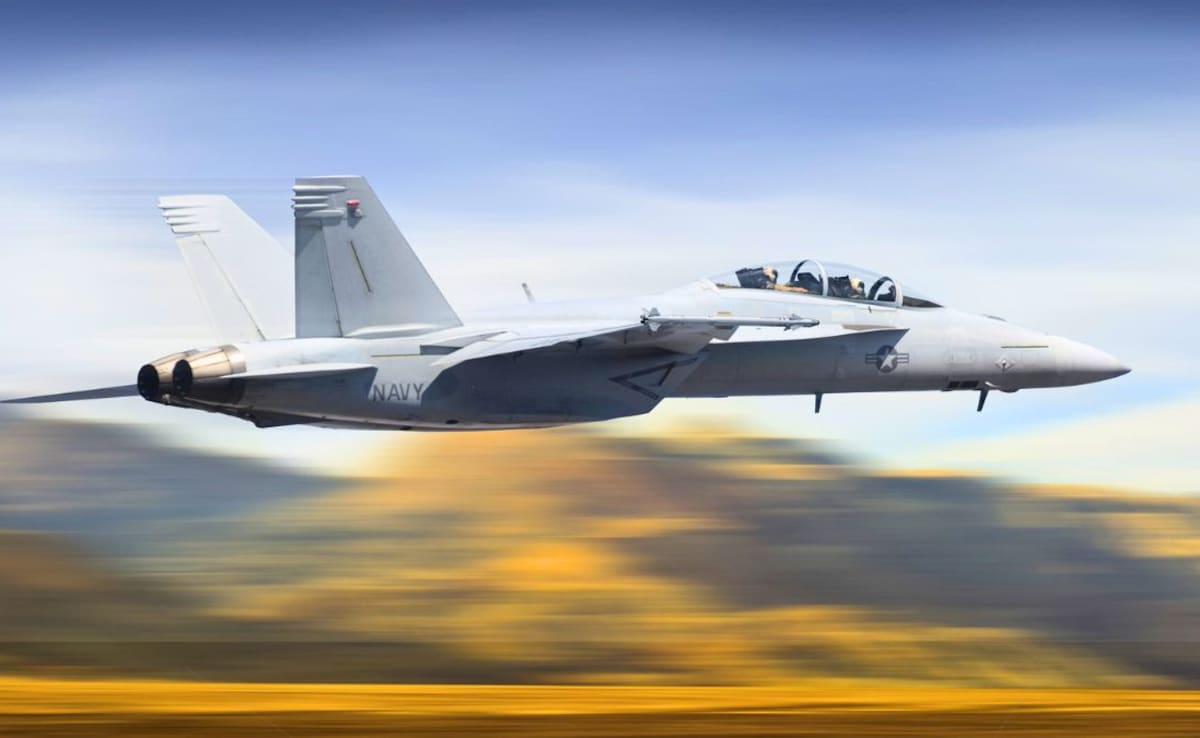
This wasn't a ghost of the supernatural variety. It was a billion-dollar marvel of titanium and glass—the McDonnell Douglas F/A-18 Hornet. To the world, it was the "Top Gun 2" jet, the sleek, digital predator that defined modern aerial dominance. But on this day, the predator’s instincts were catastrophically wrong. For an alternative look, check out: this related article.
We often think of high-tech warfare as a video game played with surgical precision. We imagine lines of code acting as a moral compass, preventing the unthinkable. We are wrong. Technology doesn't eliminate human error; it accelerates it. It takes a split-second misunderstanding and scales it into a tragedy.
The Anatomy of a Blind Spot
Imagine sitting in a cockpit, strapped into a seat that can punch through the roof at the pull of a lever. Your world is a green-tinted screen and a series of rhythmic pips in your headset. You are moving at hundreds of miles per hour. You aren't looking out the window anymore; you are looking at a representation of the world. Related analysis on the subject has been provided by Wall Street Journal.
The Kuwaiti pilot in the cockpit of that F/A-18 was a professional. He was trained by the best, flying a machine designed to be "pilot-friendly." The Hornet was supposed to be the thinking man's fighter, a jet that managed the complex physics of flight so the human could focus on the mission. Yet, as he banked over the dunes, the interface between man and machine began to fray.
A blip appeared on his radar. In the sterile environment of a training exercise, a blip is just a data point. But in the high-stakes theater of the Persian Gulf, a blip is a threat until proven otherwise. The pilot checked his Identification Friend or Foe (IFF) system.
The IFF is the electronic handshake of the sky. It’s a silent interrogation: Who are you? If the other plane chirps back the right code, it’s a friend. If it stays silent, it’s a target.
On this day, the handshake failed.
When the Silicon Lies
The IFF system is a masterpiece of engineering, but it relies on a fragile chain of signals. If a transponder is set to the wrong mode, or if the encryption keys haven't been updated, or if a single circuit board decides to overheat in the 120-degree Gulf sun, the handshake remains unreturned.
The Kuwaiti pilot saw no "friendly" response. His screen told him he was looking at an intruder.
Consider the psychological weight of that moment. You are told your equipment is infallible. You are told that this jet is a "game-changer"—a word I despise because it suggests the rules of life and death have somehow been rewritten by a software update. They haven't. The rules are the same as they were at Agincourt: if you see an enemy, you strike.
He locked on. The Hornet’s computer hummed, calculating the lead pursuit, the closing velocity, and the optimal release point for its missiles. In the distance, three A-10 Warthogs—the slow, ugly, beloved "flying tanks" of the U.S. Air Force—plodded through the air. They were "friendlies." They were brothers-in-arms. But to the Hornet’s radar, they were just silent, cold targets.
The Weight of a Single Finger
There is a specific kind of silence that happens right before a disaster. It’s the silence of a pilot holding his breath as his finger rests on the trigger. He isn't thinking about international relations or the technical specifications of his radar. He is thinking about the "tone"—the high-pitched growl of a missile that has found its prey.
The tone came. It was steady. It was certain.
He fired.
The missile didn't care about the flag on the tail of the plane ahead. It followed the heat. It followed the logic of its infrared seeker. Within seconds, the sky was no longer empty. It was filled with fire, aluminum shards, and the frantic, screaming voices of men realizing the world had just turned upside down.
One A-10 went down immediately. The pilot, surviving by some miracle of physics and luck, ejected into the unforgiving heat of the desert. Two other jets were damaged, their skins peppered with shrapnel from their own ally.
Why didn't the system stop him? This is the question that haunts every hangar and briefing room. We build these machines with "limiters" and "safety interlocks," but we forget that the most powerful component in the cockpit is the human will. If a human decides to kill, the machine is programmed to obey.
The Invisible Stakes of Automation
The fallout wasn't just measured in wreckage. It was measured in the sudden, sharp erosion of trust. When you fly into combat, you aren't just trusting your own skills; you are trusting the digital signature of everyone around you. You are trusting that the "Top Gun" jet next to you won't mistake your engine heat for an enemy's.
We are currently obsessed with making everything "smarter." We want autonomous cars, AI-driven diagnostics, and algorithmically managed cities. We believe that if we just gather enough data, we can eliminate the "human element"—that messy, emotional variable that causes accidents.
But the Kuwaiti incident proves the opposite. The more complex the system, the more catastrophic the failure when the "messy" human interacts with it. The pilot wasn't incompetent. He was a victim of "automation bias"—the tendency to trust the computer more than your own eyes. He looked at the empty sky, he looked at his glowing screen, and he chose to believe the screen.
It’s a choice we make every day. We follow the GPS into a lake. We trust the algorithm to tell us who to hire or who to fire. We have outsourced our judgment to silicon, forgetting that silicon has no soul and no eyes.
The Desert's Long Memory
Years later, the wreckage is gone, swept up or buried by the shifting sands. The pilots have moved on, though some carry the jagged scars of ejection and the heavier weight of memory. The F/A-18 Hornet is still celebrated as a masterpiece of aviation, a star of the silver screen and a pillar of modern defense.
But the lesson remains, unlearned and ignored.
The danger isn't that our machines will become "evil" and turn against us. The danger is that they will remain perfectly, coldly logical while we remain fallible. We provide the intent; they provide the lethality. And in that gap between our intention and their execution, people die.
The next time you look at a piece of "cutting-edge" technology—whether it's a fighter jet or the phone in your pocket—remember the Kuwaiti pilot. Remember the "tone" in his ears. Remember that for all our sensors and all our data, we are still just hairless primates trying to navigate a world that is moving much faster than our brains were ever meant to handle.
The sky is never truly empty. It is filled with the signals we send, the whispers of machines, and the terrifying, beautiful, and deadly responsibility of being the one with the finger on the trigger.
The desert wind eventually covers every mistake, but it never fills the silence left behind when the handshake fails.