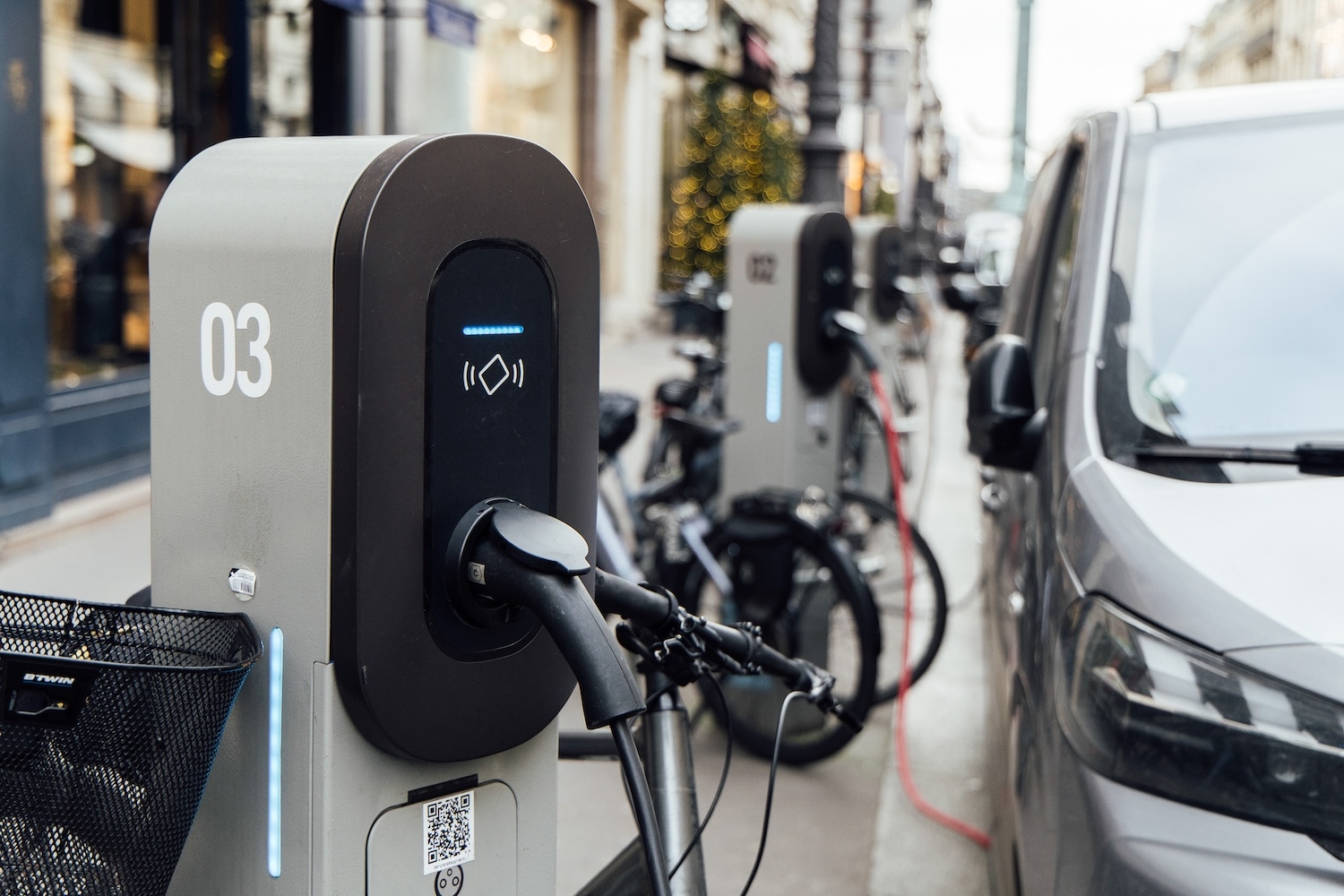
The data points toward a recovery, but the reality on the ground in Brussels, Berlin, and Paris tells a different story. While headline figures suggest European electric vehicle (EV) sales are climbing again—buoyed by a fresh wave of state subsidies and a surge in Chinese imports—the underlying structural health of the market is at its most fragile point in a decade. We are witnessing a desperate, state-funded life-support operation for an industry that is losing its competitive edge.
By March 2026, the European automotive landscape has shifted into a high-stakes game of regulatory arbitrage. Governments that abruptly pulled the plug on incentives in 2024, causing a catastrophic sales slump, have panicked. They are now backing a massive reintroduction of "socially targeted" subsidies. Germany, for instance, has committed €3 billion to a new incentive program through 2029, explicitly designed to pull lower-income buyers into the market. On the surface, it works: registrations are up. But beneath the surface, these subsidies are merely masking a widening chasm between what European automakers can profitably build and what the public can actually afford.
The Subsidy Addiction and the Residual Value Trap
The reintroduction of purchase premiums in major markets like Germany and Spain is a double-edged sword that the industry is only beginning to feel. For years, the "Green Transition" was a playground for the wealthy. Now, as governments attempt to democratize EV ownership with grants of up to €6,000 for middle-income households, they are inadvertently tanking the used car market.
When a government slashes the price of a new EV through a direct subsidy, the value of every existing EV on the road drops overnight. This "residual value" collapse is a nightmare for leasing firms and corporate fleets, which account for more than half of all new car sales in Europe. If a vehicle's value at the end of a three-year lease is 20% lower than projected because of a new government handout, the leasing company must raise monthly rates to cover the gap.
This creates a paradoxical loop: subsidies make new cars cheaper to buy but more expensive to lease. For a middle-class family, the €100-a-month "Social Leasing" programs in France might look like a steal, but for the broader market, it signals that EVs cannot yet stand on their own two feet.
The Chinese Infiltration Strategy
While European manufacturers like Volkswagen and Stellantis retreat into "freedom of choice" strategies—refocusing on hybrids and internal combustion to protect their margins—Chinese brands are executing a masterclass in market penetration.
Despite the European Commission’s imposition of definitive countervailing duties of up to 35.3% on Chinese-made BEVs, the influx has not stopped. It has simply changed form. Brands like BYD, MG, and Leapmotor have pivoted aggressively toward plug-in hybrids (PHEVs), which often sidestep the heaviest battery-specific tariffs. In late 2025 and early 2026, Chinese brands captured a record 16% of Europe’s electrified market.
The "why" behind this is simple: the "EU Premium." A Chinese manufacturer can sell a car in Europe for nearly double its domestic price and still undercut a local Renault or Peugeot. Research shows that a brand like BYD can earn over €13,000 more on a single model sold in Europe than it does in the hyper-competitive, price-war-torn Chinese market. The tariffs aren't a wall; they are a speed bump that the Chinese are more than happy to pay to secure long-term territory.
The Trojan Horse of Local Manufacturing
The next phase of this invasion is already under construction. Recognizing that trade barriers will only tighten, Chinese giants are moving their factories onto European soil. BYD’s Hungarian plant and various joint ventures, such as Leapmotor’s partnership with Stellantis in Poland, are designed to strip the "import" label off these vehicles.
By 2027, "Made in Europe" will no longer mean "Designed in Wolfsburg." It will mean a car built with Chinese battery chemistry, Chinese software, and Chinese supply chain efficiency, assembled by European workers to bypass the very tariffs meant to protect them.
Infrastructure Is Still the Missing Link
No amount of taxpayer-funded purchase support can fix a broken charger in a German rest stop or a lack of street-side charging in a Spanish apartment block. While Europe targets 400,000 public charging points by 2030, the distribution remains dangerously skewed. The "North-South divide" is a growing risk to the single market’s EV ambitions.
The United Kingdom and the Netherlands are leading with fast-charger density, but in Italy and Poland, the lack of infrastructure is making EVs a hard sell, regardless of the price. The CAGR of 19.2% for Europe’s charging infrastructure market is impressive, but it’s still playing catch-up to a vehicle fleet that is growing faster than the grid can handle.
The Used EV Tsunami
As more sub-€25,000 EVs hit the new-car market, the used market is facing a supply glut of older, less-efficient models. This creates a "tsunami" effect where the residual values of early-generation EVs continue to plummet, making them unattractive to the second-hand buyers who represent the bulk of the "working-class" transition.
This is the brutal truth of the European EV market: the current growth is artificial. It is being propped up by a panicked political class and a predatory Chinese expansion. Without a massive leap in battery technology—like the solid-state cells that BYD and others are now teasing—or a radical simplification of the European supply chain, the Continent’s automotive giants are simply buying time with public money.
The Real Cost of Subsidies
| Country | New Subsidy Budget (2026-2029) | Targeted Households | Key Incentive |
|---|---|---|---|
| Germany | €3 Billion | Annual income < €80,000 | Up to €6,000 grant |
| France | €1 Billion (Annual) | RFR ≤ €15,400 | Social Leasing (€100/mo) |
| Spain | €400 Million | General / All buyers | Up to €4,500 grant |
These numbers represent a massive transfer of wealth from taxpayers to car manufacturers, many of whom are not European. It is a subsidy for a transition that hasn't yet found its economic footing.
The industry is holding its breath for 2035, the year when the internal combustion engine is scheduled to die a legal death in Europe. But if the current trends hold, the only cars left on the road that ordinary Europeans can afford will be designed and powered by the very rivals that European regulators are desperately trying to tax out of existence.
Europe isn't winning the EV race; it's paying for a ticket to watch its own displacement.
The strategy of reintroducing subsidies to counter a structural price disadvantage is a temporary fix for a permanent problem. To truly compete, European automakers must do more than just build expensive cars and wait for a government handout to make them affordable. They need to own the battery chemistry, the software stack, and the charging network—the very things they have outsourced to the East over the last decade.
Would you like me to analyze the specific profit margins of the top five European EV models compared to their Chinese counterparts?