The global markets just witnessed a violent decoupling of the traditional inflationary narrative. Gold surged more than 2% in a single session, not because investors fear a runaway spiral of consumer prices, but because they are pricing in a radical shift in American foreign policy and its impact on the energy corridor. The catalyst is an unexpected diplomatic overture between the Trump administration and Tehran. By signaling a willingness to negotiate rather than just squeeze, the White House has effectively pulled the floor out from under oil prices. With crude sliding, the immediate threat of energy-driven inflation has cooled, but the resulting vacuum has pushed capital into bullion as a hedge against the massive geopolitical uncertainty that follows such a sharp turn in strategy.
This is not a standard flight to safety. It is a calculated bet on a world where the old rules of the "petrodollar" and Middle Eastern containment are being rewritten in real-time.
The Oil Slump and the Inflationary Mirage
For the better part of a year, the consensus among desk traders was that sticky inflation would keep gold suppressed. The logic was simple: high oil prices fuel transportation costs, which bleed into every consumer good, forcing the Federal Reserve to keep interest rates restrictive. When rates stay high, the opportunity cost of holding non-yielding gold becomes too heavy for most institutional portfolios.
That logic broke this week.
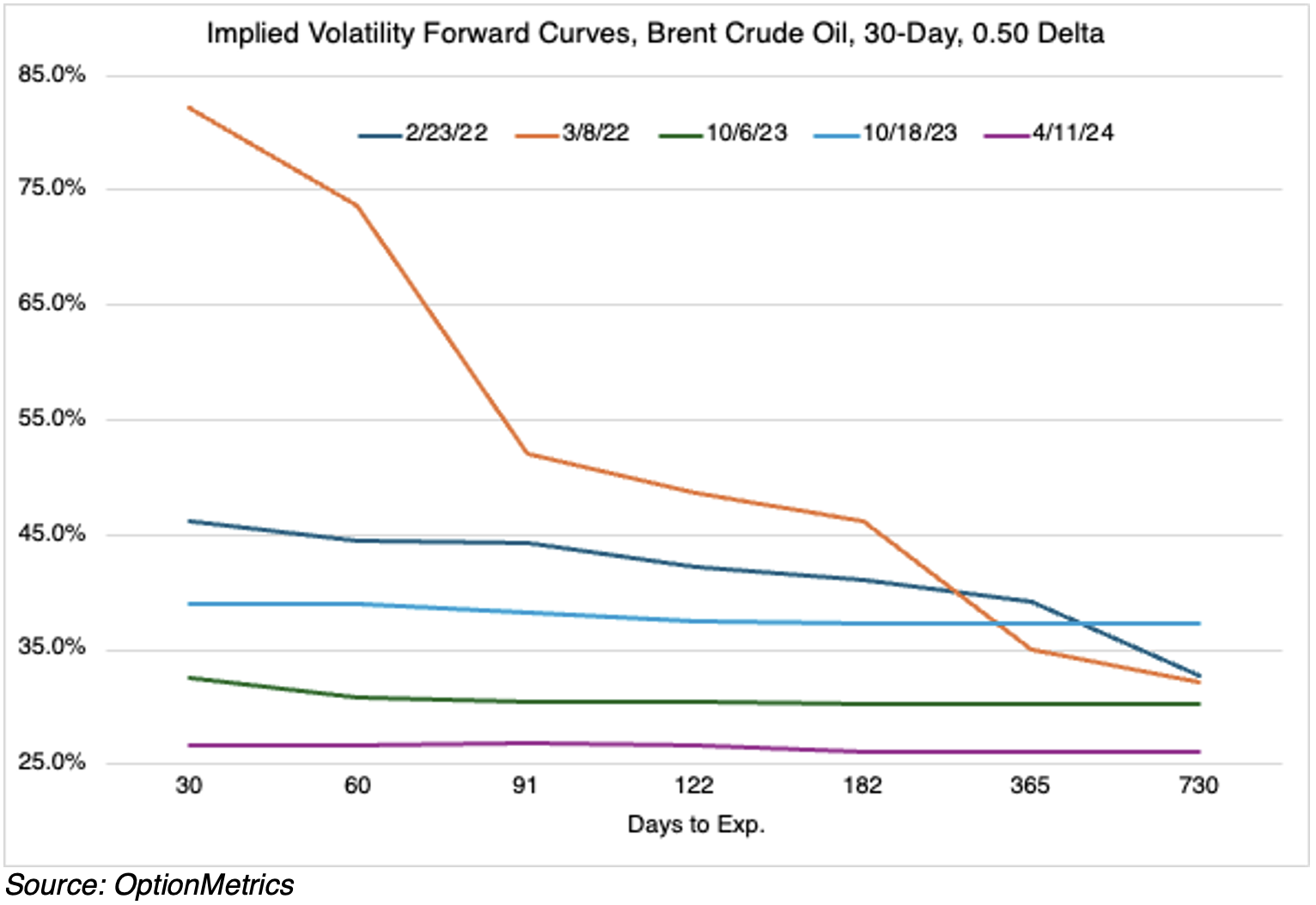
As news filtered through of back-channel communications between Washington and the Iranian leadership, the "war premium" on Brent and WTI crude evaporated. The market suddenly faced the prospect of Iranian barrels returning to the global supply chain in a more formal, sanctioned capacity. Prices tumbled. But instead of gold falling alongside the easing inflation expectations, it did the opposite.
The reason lies in the bond market. Lower oil prices give the Federal Reserve the political and economic cover to pivot toward more aggressive rate cuts. Gold is front-running that pivot. Investors are no longer worried about 4% inflation; they are worried about what happens to the dollar when the central bank starts hacking away at interest rates to prevent a recessionary slide.
Diplomacy as a Market Disruptor
The Trump administration’s willingness to sit down with Tehran represents a departure from the "maximum pressure" campaign that defined previous cycles. This isn't about pacifism. It is about pragmatism. If the U.S. can stabilize the Middle East through a transactional deal, it reduces the need for expensive military posturing and, crucially, lowers the cost of energy for the American voter.
However, the "Tehran Thaw" introduces a massive variable into the global security framework. Israel and the Gulf monarchies are watching these developments with profound skepticism. When the U.S. shifts its stance on a regional adversary, it creates a localized power vacuum. Gold thrives in vacuums. The 2% jump is a direct reflection of the anxiety felt by sovereign wealth funds and private offices that view this diplomatic gamble as a high-risk, high-reward play that could just as easily end in a regional realignment or a catastrophic breakdown in trust with traditional allies.
The Real Yield Reality
To understand why gold is moving now, you have to look at real yields—the nominal interest rate minus inflation.
$$Real\ Yield = Nominal\ Interest\ Rate - Inflation\ Rate$$
When oil prices drop, inflation expectations usually follow. If the Fed reacts by cutting nominal rates faster than inflation is falling, real yields drop. Gold moves in inverse correlation to real yields. We are currently entering a window where the Fed may be forced to cut rates not because they've "won" the war on inflation, but because the cooling energy sector is signaling a broader economic slowdown.
The smart money is moving into bullion because it recognizes that the "Goldilocks" scenario—low inflation and steady growth—is a fantasy. What we actually have is a fragile economy that requires the constant life support of lower rates, and a geopolitical map that is being redrawn by a White House that prefers deals to dogmas.
The Physical Demand Factor
While the headlines focus on Trump and Iran, a quieter force is propping up the gold floor. Central banks in the East have been accumulating physical reserves at a pace not seen in decades. This isn't just about diversification; it's about de-dollarization.
The use of the U.S. dollar as a tool of financial warfare has made many nations nervous. Whether it's the freezing of Russian assets or the aggressive use of SWIFT sanctions, the message to the rest of the world has been clear: your wealth is only yours as long as you stay on the right side of Washington. By moving into gold, these nations are creating an "off-grid" reserve system.
When a major Western event—like a shift in Iran policy—triggers a price spike, these central banks don't sell. They buy the breakout. This creates a technical feedback loop. Every time the price clears a resistance level, like the 2% jump we just saw, it triggers algorithmic buying and confirms the bullish trend for those looking to exit the dollar-denominated financial system.
Risks of the Rebound
It would be a mistake to assume gold’s path is a straight line up. The primary risk to this rally is a sudden "hawkish" turn by the Fed if the oil slump proves to be temporary. If the talks with Iran stall—which is a distinct possibility given the decades of animosity and the complexity of the nuclear file—oil prices will snap back violently.
A $10-per-barrel jump in a single week would force the Fed to pause its easing cycle. In that scenario, the "inflation hedge" narrative for gold would return, but it would be battled by the "high interest rate" narrative. This tug-of-war is where most retail investors lose their shirts. They buy the top of the gold spike, only to be shaken out when a single headline about a failed meeting in Geneva or Doha sends the price tumbling back toward its moving average.
The Mechanics of the Trade
Institutional traders are currently playing the spread between gold and the 10-year Treasury note. As the yield on the 10-year slides toward the 3.5% mark, gold becomes the preferred vehicle for long-term capital preservation.
- Long Positions: Increasing in the COMEX futures market.
- ETF Inflows: Finally turning positive after months of stagnation.
- Physical Premium: Rising in Asian markets, particularly Shanghai and Dubai.
These metrics suggest that the 2% jump wasn't a fluke or a "fat finger" trade. It was a structural realignment. The market is betting that the era of high-for-longer interest rates is ending, accelerated by a surprising bit of diplomacy that has neutralized the oil threat for now.
A New Global Balance
We are moving away from a world where gold was just a "petrock" that sat in a vault and did nothing. In a period of fractured geopolitics, it is the only asset that isn't someone else's liability. The Trump-Iran talks are the spark, but the tinder has been dry for years.
The slump in oil is providing the necessary economic conditions for gold to break its historical shackles. By removing the immediate fear of a 1970s-style energy crisis, the administration has inadvertently cleared the path for gold to challenge its all-time highs. Investors are no longer buying gold because they think the world is ending; they are buying it because the world is changing, and the dollar’s role as the sole anchor of global stability is being questioned even by the people who run the country.
Watch the price of Brent crude. If it stays below $75, the pressure on the Fed to cut will become unbearable. And if the Fed cuts into a weakening dollar, gold will do more than just jump 2%. It will begin a sustained march that redefines the meaning of "hard money" in the 2020s.
Position your portfolio for a environment where volatility is the only constant.