Stop refreshing the track-and-trace maps. The headlines screaming about a "Hantavirus-hit cruise" are not reporting on a public health crisis; they are reporting on a statistical inevitability treated with the theatricality of a low-budget horror flick. A US passenger tests positive while showing zero symptoms, and the world holds its breath. Why? Because we have been conditioned to fear the presence of a pathogen more than we value the reality of biological resilience.
We are witnessing the "asymptomatic trap" once again. The media treats a positive test result in a healthy individual as a ticking time bomb. In reality, it is often proof that the human immune system is doing exactly what it was designed to do. If we continue to treat every viral detection as a precursor to an apocalypse, we will dismantle the travel industry and our own mental stability long before any virus gets the chance.
The Myth of the Sterile Cruise Ship
The primary delusion here is the idea that a cruise ship—or any shared environment—can or should be a sterile vacuum. For decades, the industry has sold the dream of "sanitized luxury." It is a lie. When you put three thousand people in a floating metal box, you are creating a biological exchange hub.
Hantavirus is typically associated with rodent droppings, urine, and saliva. The "shock" that it appeared on a vessel suggests a fundamental misunderstanding of global logistics. Rats have been the uninvited guests on ships since the Phoenicians were trading purple dye. You can deck the halls with gold leaf and install as many UV air purifiers as you want, but the interface between the wild world and human transit remains porous.
The competitor narrative focuses on the "breach" of safety. This is a flawed premise. There was no breach because there was never a seal. Safety isn't the absence of pathogens; it is the presence of an effective response.
Asymptomatic Does Not Mean Pre-Symptomatic
The most dangerous word in the current reporting is "positive." It carries a heavy emotional weight that obscures the clinical reality. In the case of this specific passenger, testing positive without symptoms isn't a failure of the quarantine—it is a data point showing that for many, Hantavirus is not the death sentence the CDC’s high mortality rates (often cited near 38%) would suggest.
Those mortality rates are heavily skewed toward Hantavirus Pulmonary Syndrome (HPS). Here is the nuance the news cycles miss: HPS statistics are based primarily on people who get sick enough to go to the hospital. We have almost zero data on how many people encounter the virus, develop antibodies, and never feel a thing. By focusing only on the "hit" and the "evacuation," we ignore the very real possibility that human-viral interaction is a spectrum, not a binary of "Healthy" or "Dead."
The Security Theater of Evacuations
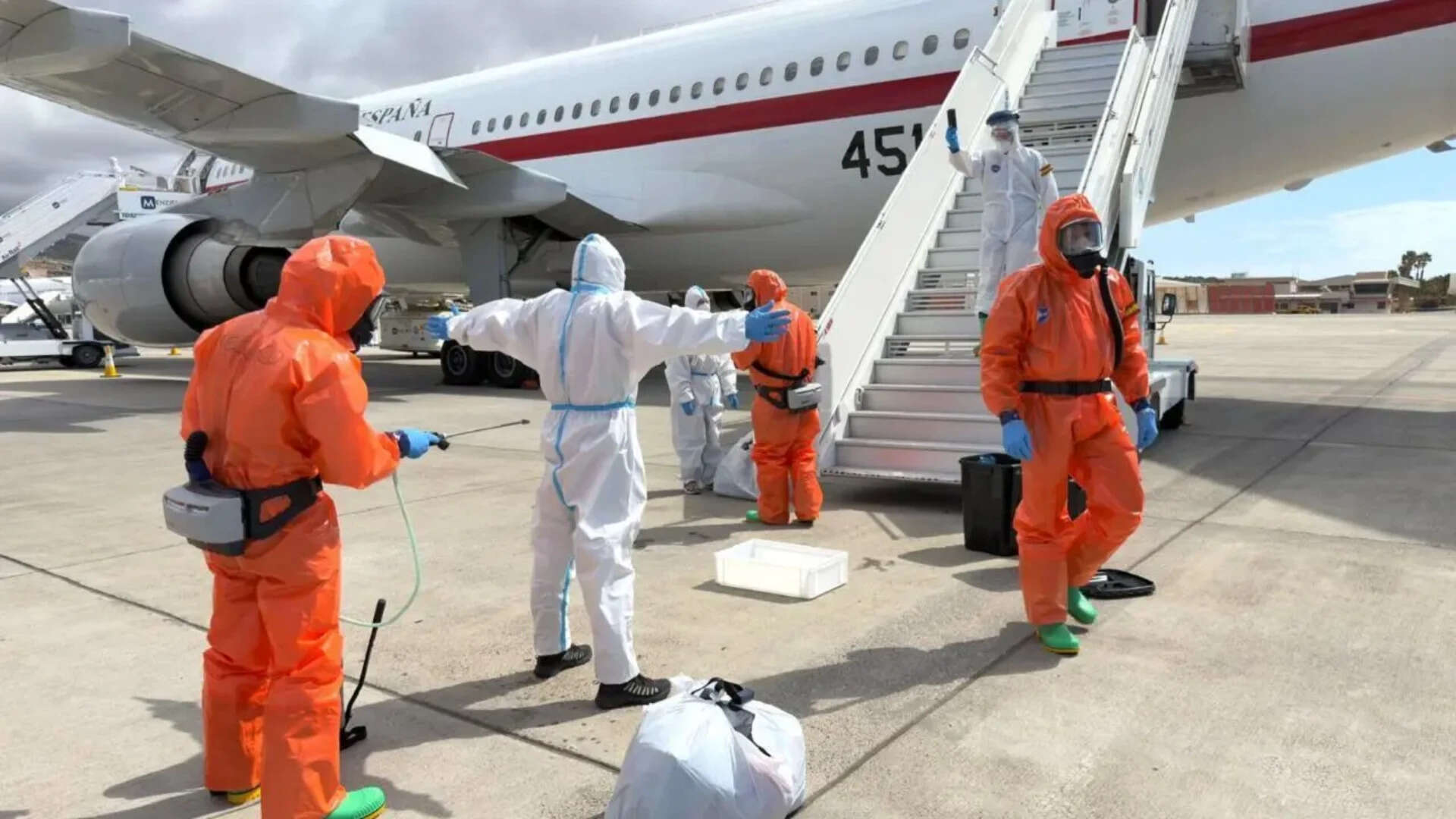
Watching a passenger get "evacuated" for a positive test is peak security theater. It is designed to make the remaining passengers feel safe, yet it accomplishes nothing for public health that a standard isolation wouldn't handle. Hantavirus, in its most common North American strains (like Sin Nombre), is not known to spread from person to person.
Let that sink in.
If the virus doesn't jump from human to human, the "evacuation" isn't stopping an outbreak. It’s a PR move. It’s a way for the cruise line to say, "Look, we’re doing something!" while the real risk—the localized environmental source—is likely being scrubbed by a frantic crew behind the scenes. We are burning resources on helicopter transports and specialized isolation units for a non-contagious individual, while the public panics because they don't understand the difference between a respiratory virus like Flu and a zoonotic spillover like Hantavirus.
Stop Asking if the Ship is Safe
The question "Is it safe to cruise?" is the wrong question. It’s a "lazy consensus" question. The real question is: "What is your personal risk tolerance for the inevitable exposure to the world's microbiome?"
If you want zero risk of Hantavirus, stay out of the woods, stay out of sheds, and apparently, stay off ships. But if you want to live in a society, you have to accept that we coexist with viruses. The obsession with "testing positive" among the healthy is a move toward a hyper-medicated society where "patient" is the default status for every human being.
I have seen companies lose millions because they reacted to a headline instead of a hazard. They cancel routes, they fire staff, and they implement "cleaning protocols" that are essentially just spraying expensive perfume on a structural reality.
The Actionable Truth for the Modern Traveler
If you are waiting for an official body to tell you it's "safe," you've already lost the plot. The "officials" are more afraid of a lawsuit than they are of the virus. Here is how you actually navigate this:
- Ditch the Binary Thinking: A positive test is a piece of information, not a diagnosis of doom. Look at clinical presentation, not just PCR cycles.
- Understand Transmission Pathways: If a virus isn't human-to-human contagious, stop acting like you’re in a zombie movie. Your risk on that ship didn't go up because one guy in Cabin 402 had a positive swab.
- Invest in Your Own "Infrastructure": Instead of worrying about the ship's air filters, worry about your metabolic health. The most robust defense against any zoonotic threat isn't a hand sanitizer station; it's a functioning immune system.
We are pathologizing the state of being alive. The "Hantavirus-hit" cruise is a case study in how a lack of scientific literacy leads to institutional panic. We are so focused on the one person who tested positive that we aren't asking why the other 2,999 didn't. That is the real story—the story of human resilience—but resilience doesn't sell clicks. Panic does.
The next time you see a headline about an asymptomatic "case," realize you are looking at a success story, not a tragedy. The passenger's body handled the threat. The only thing that failed was our ability to stay rational.
Stop looking for a zero-risk world. It doesn't exist, and the people selling it to you are the ones truly putting you at risk.