The Middle East just hit a point of no return. Forget the low-level skirmishes of the last two years. On March 2, 2026, the fragile 2024 ceasefire didn't just break; it evaporated. Hezbollah’s decision to launch a massive missile and drone barrage at the Mishmar HaCarmel air defense site near Haifa has officially opened the northern front. This isn't a isolated border dispute anymore. It's a full-blown regional war that now links the survival of the Iranian regime directly to the fate of Lebanon.
If you’re wondering why this is happening now, look at Tehran. The joint US-Israeli strike that killed Iranian Supreme Leader Ali Khamenei just days ago left a power vacuum and a desperate need for a "slap" in return. Hezbollah, Iran’s most potent proxy, was the only card left to play. By dragging Israel into a multi-front conflict, they’re trying to take the pressure off a crumbling Iranian leadership. But they’ve effectively signed Lebanon’s death warrant in the process.
The First 24 Hours of a New War
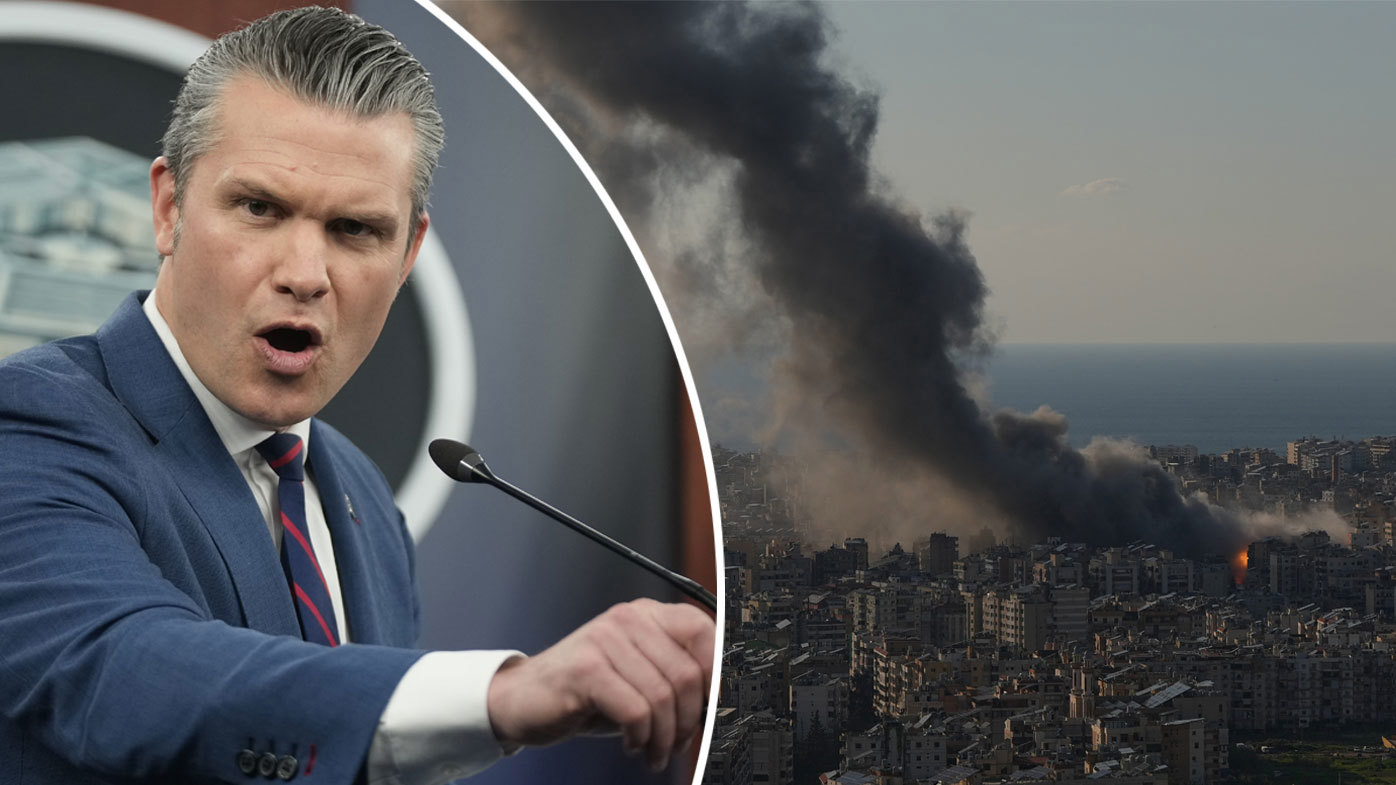
The escalation was instant. At 3 a.m. local time, the skies over Beirut lit up. Israel didn't wait to see if the Haifa strike was a one-off. The IDF launched Operation Roaring Lion, pummeling Beirut’s southern suburbs, the Bekaa Valley, and southern towns. Lebanon’s Health Ministry is already reporting 31 dead and nearly 150 injured. These aren't just numbers; they’re the beginning of a massive displacement crisis as residents in over 50 villages were told to flee.
Honestly, the speed of this collapse is staggering. We saw lines of cars gridlocking highways out of Dahieh while rubble still smoked from 12 separate blasts. Israel’s objective is clear: total degradation. They aren't just looking for "deterrence" this time. They’re targeting command centers, Al-Qard Al-Hasan financial offices, and senior intelligence officials like Hussein Makled, who was reportedly killed in the initial waves.
Why This Isn't 2006 or 2024
Most analysts get this wrong by comparing today to past conflicts. It's a different world in 2026. Here’s why this time is uniquely dangerous:
- The Iranian Anchor is Gone: Without Khamenei, Hezbollah is acting on orders from a panicked interim committee in Tehran. There's less strategic patience and more raw aggression.
- US Direct Involvement: Four US service members were killed in Iranian strikes in Kuwait just yesterday. The US isn't just a mediator now; it's a combatant.
- The Lebanese Government’s Breaking Point: In an unprecedented move, Prime Minister Nawaf Salam actually banned Hezbollah’s military activities. He called them "irresponsible" and demanded they surrender their weapons. This is a civil war waiting to happen inside a regional one.
Israel is also operating with a different mindset. The IDF has deployed 100,000 reservists to the northern border. Lt. Gen. Eyal Zamir isn't talking about "quiet for quiet." He’s talking about a "heavy price" and "devastating blows." When the IDF tells 50 villages to move a kilometer away from their homes, they aren't planning a short stay.
The Economic and Strategic Fallout
You can’t talk about this war without talking about oil and regional stability. Shipping in the Strait of Hormuz has slowed to a crawl. Global oil prices spiked 8% in a single day. This isn't just about rockets in Haifa; it's about your gas prices and the stability of the global energy market. Iran has already hit energy facilities in Qatar and Saudi Arabia, signaling they’re willing to burn the whole neighborhood down if they go.
Hezbollah is economically crippled, too. The IDF is systematically blowing up Al-Qard Al-Hasan buildings, the "banks" that keep the group’s social and military infrastructure afloat. Without Iranian cash—which is currently tied up in its own domestic crisis—Hezbollah's ability to sustain a long war is questionable. But a wounded animal is often the most dangerous.
What to Watch in the Coming Days
Don't expect a quick ceasefire. The US and Israel have signaled they want "regime change" in Tehran. That makes this an existential fight for everyone involved. Keep an eye on the Lebanese Armed Forces (LAF). If they actually try to enforce the government’s ban on Hezbollah, Beirut will become a three-way battlefield.
Watch for the choice of the new Supreme Leader in Iran. If a hardliner from the IRGC takes the seat, Hezbollah will likely receive orders to double down on civilian targets in Israel. The "red lines" we used to talk about are gone. We’re in the era of the "unlimited" regional war.
Prepare for significant disruptions. If you have interests in the region or follow global markets, the "hinge moment" the world feared has arrived. The northern front is open, and it’s not closing anytime soon.
If you’re tracking the movements on the ground, monitor the IDF's evacuation orders. They’re the best indicator of where the next ground incursion will happen. Stay away from the border zones and Dahieh. The situation is moving faster than the news can keep up with.