Washington is habitually bad at math when it involves the Middle East. If you look at the official projections for any modern American conflict, the initial price tag usually looks like a bargain compared to the multi-trillion-dollar reality that arrives a decade later. We’ve seen this script before with Iraq and Afghanistan. Now, as tensions with Tehran simmer, the same old budget tricks are being used to downplay the catastrophic financial burden of a potential war with Iran.
The Intercept recently highlighted a massive gap in how the U.S. calculates these costs, but the situation is actually much worse than most analysts realize. We aren’t just talking about the price of missiles and fuel. We’re talking about a global economic heart attack.
Why the Pentagon Budget Is a Lie
Standard military estimates focus on "incremental costs." That’s the extra money spent on gas, ammunition, and hazard pay. It’s a narrow way to look at a conflict. It ignores the fact that a war with Iran wouldn’t be a contained "regime change" operation. Iran has spent decades preparing for asymmetrical warfare. They don't need to win a carrier battle to ruin the American economy.
The Congressional Budget Office (CBO) and the Pentagon often fail to account for the long-term tail of veteran medical care and disability payments. For the post-9/11 wars, those costs alone are headed toward $2 trillion. If a conflict with Iran results in a similar or higher casualty rate due to their advanced drone and missile capabilities, the VA budget will effectively collapse under its own weight.
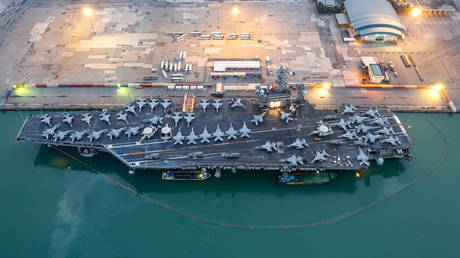
Beyond the internal costs, there's the hardware. Replacing a single lost F-35 or a damaged destroyer isn't just a line item. It’s a years-long procurement nightmare in an era where the American defense industrial base is already stretched thin by domestic political gridlock and existing global commitments.
The Strait of Hormuz Is an Economic Kill Switch
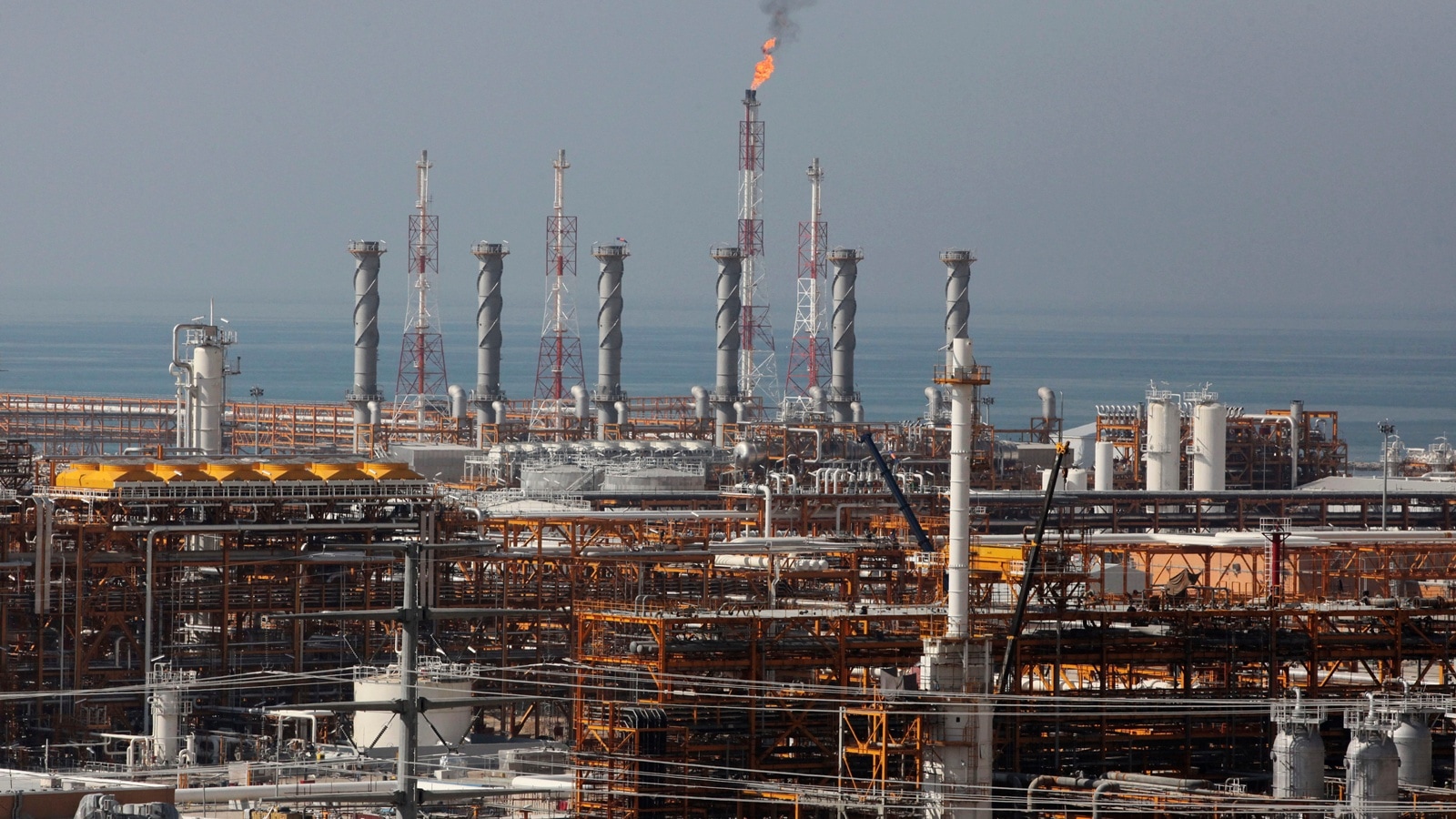
If you want to understand why an Iran war is different, look at a map. About 20% of the world’s total oil consumption passes through the Strait of Hormuz. Iran has spent years perfecting the art of "closing the tap." They have thousands of smart mines, fast-attack boats, and shore-to-ship missiles specifically designed to turn that narrow waterway into a graveyard for tankers.
When oil prices spike because 20 million barrels a day are suddenly offline, the "cost of war" isn't just a military budget issue. It’s a tax on every single human being who buys gas or groceries.
- Global shipping insurance rates would go through the roof instantly.
- Supply chains, already fragile, would break as maritime traffic redirects around the Cape of Good Hope.
- Inflation, which central banks have struggled to tame, would skyrocket back into double digits.
The U.S. might think it can "protect" the shipping lanes. The reality is that even the perception of risk in the Strait is enough to crash markets. You don't need to sink every ship to win; you just need to make it too expensive for anyone to dare to sail.
The Asymmetrical Nightmare and Infrastructure Risk
Iran isn't Iraq. It has a sophisticated cyber-warfare wing and a network of proxies that stretch from Lebanon to Yemen. A war wouldn't stay in the Persian Gulf. It would manifest in the streets of Baghdad, the oil fields of Saudi Arabia, and likely through digital attacks on U.S. financial institutions or power grids.
The cost of defending domestic infrastructure against Iranian state-sponsored hackers is rarely factored into war games. If a major American city loses power for three days because of a retaliatory cyber strike, how do you bill that? Is that a "war cost"? It should be.
Then there's the "proxy premium." Groups like Hezbollah or the Houthis don't need direct Iranian command to start causing chaos. The cost of containing a regional wildfire triggered by a direct strike on Tehran is exponentially higher than the strike itself. We'd be looking at a multi-front commitment that makes the "surge" in Iraq look like a training exercise.
Market Volatility and the Debt Trap
America is currently carrying over $34 trillion in national debt. In previous eras, the U.S. could borrow its way through a war because interest rates were low. That's not the case anymore. Every billion dollars borrowed to fund a Middle Eastern conflict today comes with a much higher interest payment.
A war with Iran would likely force the Federal Reserve into a corner. They’d have to choose between funding the war effort and fighting the inevitable inflation caused by energy shocks. It’s a lose-lose scenario. Foreign investors, seeing the U.S. dive into another "forever war" with no clear exit strategy, might start backing away from Treasury bonds. That’s the real "hidden cost"—the potential erosion of the dollar's status as the global reserve currency.
Stop Thinking in Terms of Munitions
The mistake people make is counting Tomahawk missiles. Each one costs about $2 million. That’s pocket change. The real cost is the lost opportunity. Every trillion spent on a conflict that likely won't result in a stable, pro-Western democracy is a trillion not spent on domestic resilience, tech competition, or infrastructure.
We have to stop accepting the Pentagon’s "clean" estimates. They're designed to make war look affordable until it's too late to turn back. If you aren't factoring in a $150 barrel of oil, a decimated shipping industry, and a domestic cyber emergency, you aren't actually talking about the cost of war. You're just reading a brochure.
The next step is simple but difficult. Demand that any "contingency planning" discussed in Congress includes a mandatory "Total Economic Impact" report that accounts for global market shocks and long-term debt servicing. Without that, we're just flying blind into a financial abyss. Pay attention to the quiet warnings from the Treasury, not just the loud ones from the Pentagon.