He sits in the driver’s seat of a metallic grey sedan, hands hovering an inch above the leather, fingers twitching with a phantom muscle memory developed over thirty years. His name is Zhang. He is a hypothetical stand-in for every driver in Shenzhen today, caught in the awkward, sweating transition between being a pilot and being a passenger.
Zhang’s car is performing a feat of digital gymnastics. It is navigating a four-way intersection, calculating the trajectory of a delivery scooter cutting the lane and the walking speed of an elderly woman on the curb. But Zhang is miserable. He is trapped in the "uncanny valley" of Level 2 automation. The car does 90% of the work, but the law—and the limitations of the software—demand that Zhang remain 100% vigilant.
It is a psychological torture chamber. To be a backup processor for a machine that is faster than you, but just inconsistent enough to kill you, is the most exhausting job in the world.
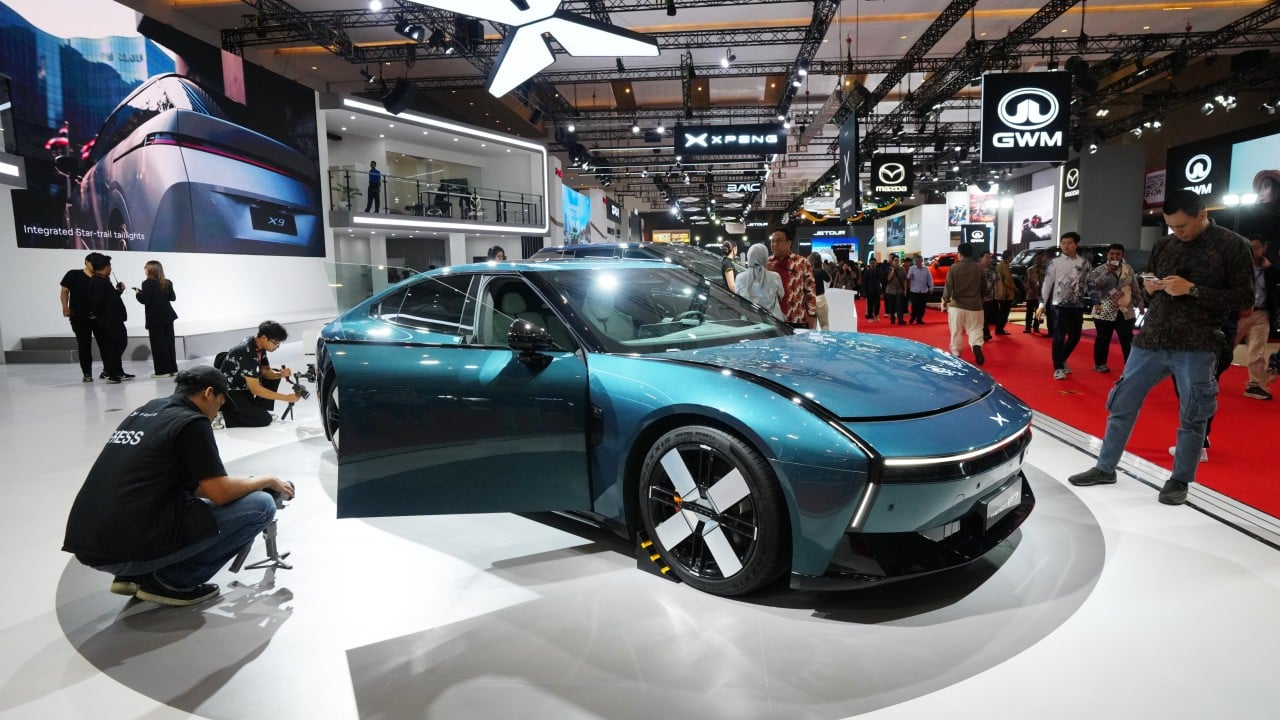
He Heqiang, the founder of Xpeng, looks at Zhang and sees a mistake. Not a mistake in the human, but a mistake in the roadmap of the entire automotive industry. While the global West and much of China’s own tech sector have been obsessed with a gradual, step-by-step climb toward autonomy, Heqiang is calling for something more radical.
He wants to skip the middle. He wants to kill the "assisted" phase before it kills our patience.
The Myth of the Helpful Co-Pilot
For a decade, the narrative has been linear. First, we got cruise control. Then, lane-keep assist. Now, we have "supervised" self-driving. The industry calls this the progression from Level 2 to Level 3. In Level 3, the car takes over, but you must be ready to grab the wheel the second a sensor gets confused by a stray plastic bag or a sudden downpour.
Think about that requirement. Scientists call it the "vigilance decrement." Humans are biologically incapable of staying focused on a task when they aren't actually performing it. If you aren't steering, your brain wanders to your grocery list, your daughter's grades, or the itch on your left ankle. Expecting a human to snap from a daydream into a life-saving evasive maneuver in 0.5 seconds is not a tech feature. It is a design flaw.
Heqiang’s argument, voiced recently at industry forums, isn't just about software patches. It’s about the fundamental waste of human potential. Why are we spending billions of dollars and millions of man-hours perfecting a system that still requires a human to sit there, bored and anxious, acting as a failsafe for a computer?
He suggests that China, with its unique infrastructure and aggressive tech adoption, should leapfrog. Don't build a better co-pilot. Build a driver.
The Concrete Advantage
The reason this leap is possible in the East while it stalls in the West isn't just about code. It’s about the dirt and the beams.
In most of the world, a self-driving car is an island. It has to be "smart" because the road is "dumb." The car uses its own cameras and LiDAR to figure out where the lane is and what the sign says. If the paint is faded or the sign is covered by a tree branch, the car fails.
China is building a different reality.
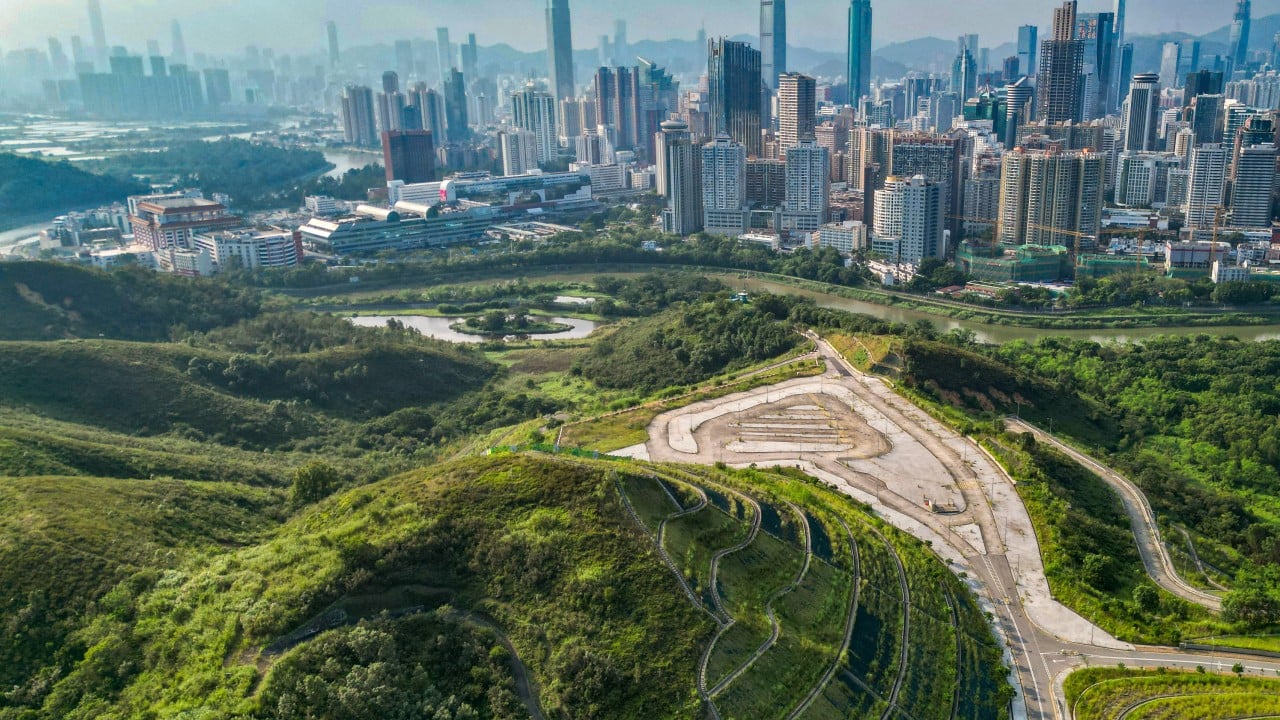
Imagine a road that talks back. In the pilot zones of Shanghai and Guangzhou, the "intelligence" isn't just under the hood of the Xpeng or the NIO; it’s in the asphalt. Sensors in the traffic lights broadcast their timing. Embedded chips in the highway barriers alert every car within a five-mile radius that there is ice on the bridge ahead.
This is the "skip" Heqiang is talking about. When the environment itself is a participant in the navigation, the need for a "supervised" human backup begins to evaporate. If the road is a digital grid, the car no longer needs a nervous Zhang to watch the lines. The car knows where it is because the road is holding its hand.
The Cost of the Slow Walk
Every year we spend in this middle ground—this Level 2.5 or Level 3 purgatory—has a human cost.
First, there is the literal cost. Adding the hardware necessary for "partial" autonomy adds thousands to the price of a vehicle. Consumers pay for the privilege of being a glorified babysitter for their own car. They buy the tech, realize they can't actually sleep or read a book, and eventually, they stop using it. Or worse, they over-trust it, climb into the backseat for a TikTok stunt, and end up in a highway divider.
Second, there is the innovation trap. When engineers focus on making "assisted" driving better, they are solving problems that shouldn't exist. They are spending their brilliance on "Driver Monitoring Systems"—cameras that watch your eyeballs to make sure you aren't looking at your phone.
It is a circular absurdity. We build a car that drives itself, then we build a camera to make sure the human is watching the car drive itself, then we build an alarm to wake the human up when the car gets scared.
Heqiang’s vision is to break the circle. By skipping the incremental "babysitting" phase and moving directly toward "highly automated" or "fully automated" zones—specifically in controlled environments like highways or mapped urban centers—the industry can stop designing for human distraction and start designing for machine precision.
The Ghost in the Machine
Consider the logistics of a long-haul truck driver. This is where the human element hits the hardest.
In the current model, we want to give the trucker "assistance." He still sits in the cab. He still loses weeks away from his family. He still battles the crushing weight of highway hypnosis. We’ve just given him a fancier dashboard.
If we skip the step, as the Xpeng CEO suggests, the trucker becomes a fleet manager. He stays in an office in his hometown. He monitors ten trucks from a screen. He goes home at 5:00 PM to eat dinner with his kids. The "ghost" in the machine is no longer a tired man in a vibrating seat; it is a professional operator overseeing a digital ballet.
This isn't just about efficiency. It’s about dignity. There is no dignity in being a redundant backup for a silicon chip.
The Fear of the Void
The pushback is inevitable. It feels safer to have a wheel. It feels safer to know that Zhang can grab the controls if the "ghost" fails.
But the data is beginning to whisper a different truth. Human error is responsible for over 90% of accidents. By insisting on keeping the human "in the loop" during the most dangerous parts of the drive, we aren't adding a safety layer. We are adding a point of failure. A distracted, panicked human is a much worse pilot than a computer that simply knows it has reached its limit and pulls over to a safe stop.
Heqiang’s gamble is that the first nation to realize this—the first to stop coddling the steering wheel and start trusting the grid—will own the next century of transit.
It requires a "leap of faith," but it’s a leap onto a floor made of data and reinforced concrete.
The Silent Cabin
Look back at Zhang.
In Heqiang’s version of the future, Zhang isn't hovering his hands over a vibrating wheel. He isn't staring at the taillights in front of him with bloodshot eyes.
Instead, the cabin of his car has transformed. The front seats face each other. There is a small table where a steering column used to be. Zhang is showing his son how to play a card game, or he’s catching up on the sleep he lost during a busy week. Outside, the car moves with a liquid smoothness, communicating with the lights and the other cars in a silent, high-speed language of radio waves.
The car doesn't need Zhang to watch it. It knows what it’s doing.
This isn't a dream of "someday." It is a demand for "now." The technology to skip the middle is already here, sitting in the server farms and the smart-pavements of the world's tech hubs. The only thing holding it back is our own refusal to let go of the wheel.
The transition is painful because we are addicted to the illusion of control. We think that by gripping the leather, we are keeping ourselves safe. We are actually just holding onto a relic.
The road ahead doesn't have a middle lane. It has a starting line and a destination. Everything in between is just traffic.
Zhang finally lets his hands drop. He leans back. He closes his eyes. The car accelerates into the dark, and for the first time in thirty years, he isn't a driver. He is a traveler.
The ghost has taken the wheel, and it turns out, the ghost is a much better driver than we ever were.