The Hong Kong government is moving to nearly triple its borrowing limit, pushing the legislative ceiling to HK$900 billion. This isn't a mere administrative adjustment or a routine update to fiscal policy. It is a fundamental shift in how the city survives. For decades, Hong Kong prided itself on a "low tax, high reserve" model that made it the envy of the financial world. Those days are over. By raising the cap from its previous level, the administration is signaling that the era of self-sufficiency has been replaced by a structural dependence on the debt markets.
The math is unavoidable. With a property market in a multi-year slump and land premium revenues—the traditional lifeblood of the city’s coffers—bottoming out, the government has run out of easy options. They are now turning to the bond market to fund massive infrastructure projects like the Northern Metropolis and various land reclamation schemes. But borrowing to build in a high-interest-rate environment carries risks that the official narrative often glosses over.
The Cracks in the Fiscal Reserve
For the better part of twenty years, Hong Kong’s fiscal reserves were a fortress. They provided a buffer against global shocks, from the 2008 financial crisis to various health emergencies. However, that fortress has been under siege. Consistent budget deficits have drained the reserves from a peak of over HK$1.1 trillion to roughly HK$700 billion.
When you strip away the accounting jargon, the problem is simple. The city is spending more than it earns. The government argues that issuing bonds is a way to "invest for the future," but critics argue it is a way to mask the fact that the current economic engine is sputtering. Land sales, which used to account for a third of government revenue, have seen record-breaking lows. Developers are cautious, burdened by their own debt and a surplus of unsold units. When the primary source of income dries up, the credit card comes out.
Infrastructure at Any Cost
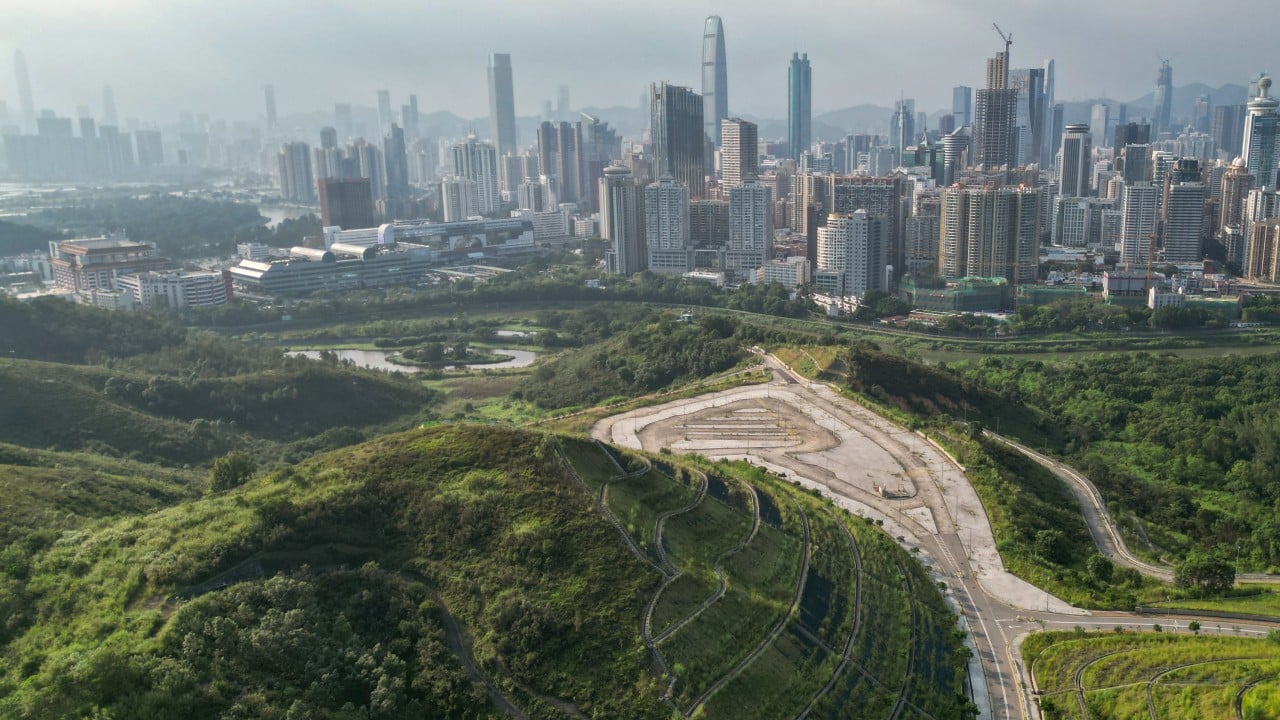
The HK$900 billion ceiling is specifically designed to provide headroom for the Government Bond Programme. A significant portion of this capital is earmarked for the Northern Metropolis, a sprawling development plan intended to integrate Hong Kong more closely with the Greater Bay Area.
On paper, the project makes sense. It addresses the housing shortage and creates a new technology hub. In reality, the price tag is astronomical. By locking the city into long-term debt to fund these builds, the government is betting everything on the idea that "if you build it, they will come." If the expected influx of businesses and residents doesn't materialize, the city will be left holding a massive bill with no clear way to pay it back.
This isn't just about domestic policy. The global market is watching. While Hong Kong still maintains a strong credit rating, the transition from a net-creditor mindset to a heavy-borrower mindset changes the math for international investors.
The Interest Rate Trap
Borrowing HK$900 billion isn't free. We are no longer in the era of "cheap money." As the Hong Kong Dollar is pegged to the US Dollar, the city’s interest rates are effectively dictated by the Federal Reserve. With rates remaining higher for longer to combat inflation, the cost of servicing this new debt will eat into the annual budget.
Every dollar spent on interest is a dollar not spent on healthcare, education, or social welfare. This creates a feedback loop. To cover the interest, the government might feel pressure to sell more bonds, leading to a mounting debt pile that becomes increasingly difficult to manage. It is a precarious balance. If the city’s growth doesn't outpace the cost of its debt, the fiscal "buffer" everyone talks about will vanish within a decade.
Retail Bonds and the Illusion of Stability
To drum up support, the government has been aggressive in issuing Silver Bonds and Green Bonds to the public. These offer attractive yields to local residents, particularly retirees looking for safe havens. It is a clever political move. By turning the citizenry into the city’s creditors, the government creates a vested interest in the success of the bond program.
However, retail debt is still debt. Relying on local grandmas to fund artificial islands and high-tech corridors is a strategy born of necessity, not strength. It also crowds out private investment. If the government is sucking up all the available liquidity in the local market to fund its own projects, there is less capital available for the small and medium enterprises that actually drive innovation and employment.
The Property Paradox
The elephant in the room remains the property market. Hong Kong’s fiscal health is inextricably linked to real estate prices. When prices are high, the government earns through land sales and stamp duties. When they fall, the budget collapses.
The government’s decision to lift the bond ceiling is an admission that they cannot wait for the property market to recover. They need cash now. But by increasing the supply of government-backed debt, they might accidentally put more pressure on the property sector. If investors can get a guaranteed 4% or 5% return on a government bond, why would they take a risk on a rental property with a 2% yield? The bond program, intended to save the city’s finances, might actually be the very thing that keeps the property market in the doldrums.
Structural Change vs. Temporary Fix
A common defense of the HK$900 billion cap is that Hong Kong’s debt-to-GDP ratio remains low compared to peers like Singapore or Japan. This is true, but it is also a misleading comparison. Singapore and Japan have different economic structures and different ways of managing their sovereign wealth.
Hong Kong’s economy is narrow. It relies heavily on finance, professional services, and trade. When these sectors face headwinds—whether from geopolitical tensions or a shift in regional supply chains—the city doesn't have a manufacturing base or a massive internal market to fall back on. Borrowing against a narrow tax base is far riskier than borrowing against a diversified one.
The government needs to address the underlying structural deficit. Issuing bonds is a sedative; it dulls the pain of the deficit but doesn't cure the illness. Without a meaningful reform of the tax system—something no politician wants to touch—the city is simply kicking the can down the road.
The Cost of Silence
There is a lack of rigorous debate within the current legislative framework. With the opposition largely sidelined, the proposal to hike the debt ceiling is moving through with minimal friction. In a healthy financial ecosystem, such a massive increase in borrowing power would be met with intense scrutiny and demands for a "Plan B."
Instead, the narrative is focused on "growth" and "integration." These are fine goals, but they are not guarantees. If the Northern Metropolis fails to become the Silicon Valley of the East, or if the global appetite for Hong Kong-based finance continues to wane, the HK$900 billion ceiling won't just be a limit; it will be a weight around the city's neck.
The Crowding Out Effect
When the public sector expands its footprint in the credit markets, the private sector often feels the squeeze. Banks and institutional investors have limited allocations for Hong Kong-denominated assets. If the government is constantly coming to market with multi-billion dollar offerings, the cost of borrowing for private companies will inevitably rise.
This is particularly dangerous for the tech startups and logistics firms the government claims it wants to support. They are being forced to compete for capital with a government that has an infinite timeline and the power to tax. It is a lopsided fight.
Global Perception and the Credit Rating
Agencies like Moody’s and Fitch are no longer giving Hong Kong a free pass. They have already expressed concerns about the city’s fiscal trajectory and its tightening links to the mainland economy. Raising the bond ceiling to nearly a trillion dollars will trigger fresh reviews.
If a downgrade occurs, the interest rate on those bonds will spike. This is the "death spiral" scenario that analysts fear. Higher debt leads to lower ratings, which leads to higher interest costs, which leads to even more debt. Hong Kong is nowhere near this point yet, but the path has been cleared. The government is moving from a position of "zero debt" to being a major player in the bond world at the worst possible time in the interest rate cycle.
The shift toward a debt-fueled economy is a one-way street. Once a government becomes accustomed to closing budget gaps with bond issuances, the political will to make "hard" choices—like cutting spending or raising taxes—evaporates. The HK$900 billion cap is not a destination; it is a point of no return.
The administration must now prove that this capital will be used for productive assets that generate a clear, cash-flow-positive return. If the money is instead swallowed by administrative overhead or vanity projects that fail to stimulate the economy, the city’s financial reputation will be permanently tarnished. The stakes could not be higher. Hong Kong is betting its future on its ability to borrow its way back to prosperity.
Monitor the upcoming auctions of these bonds. If the "bid-to-cover" ratios start to slip, or if the government has to offer increasingly high premiums to attract buyers, it will be the first sign that the market is losing faith in the "Hong Kong Miracle." Watch the numbers, not the speeches.