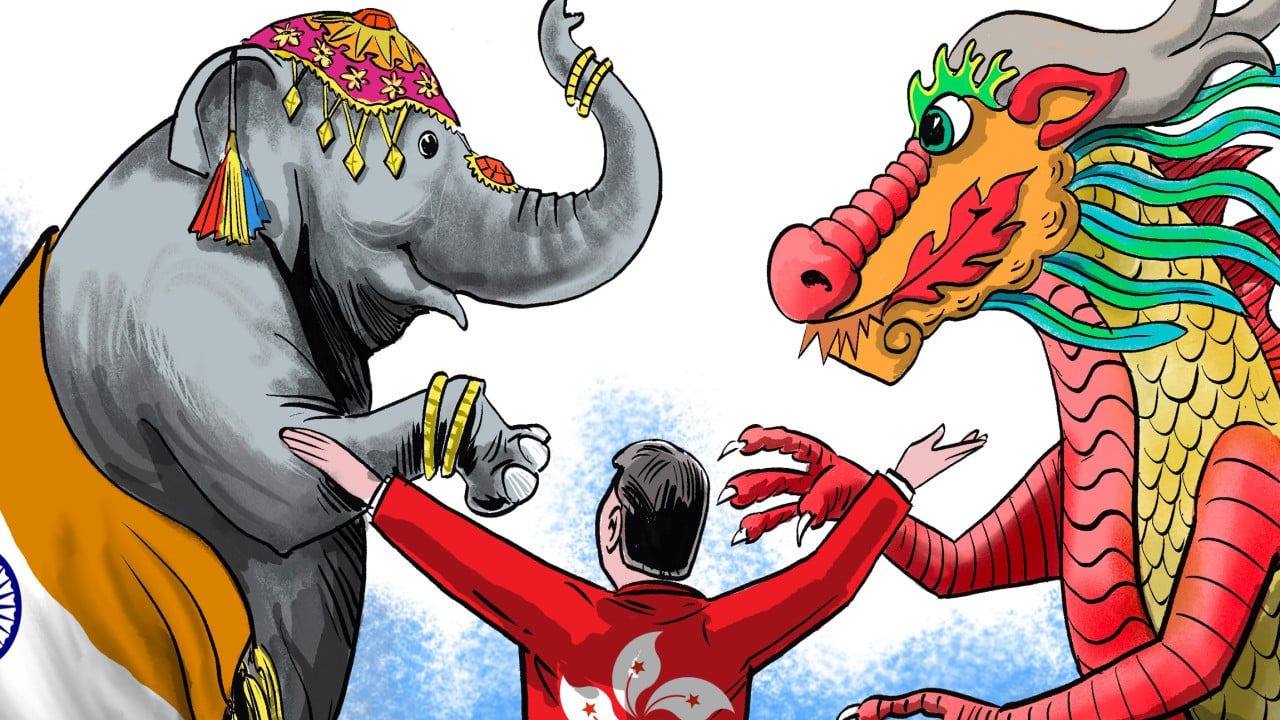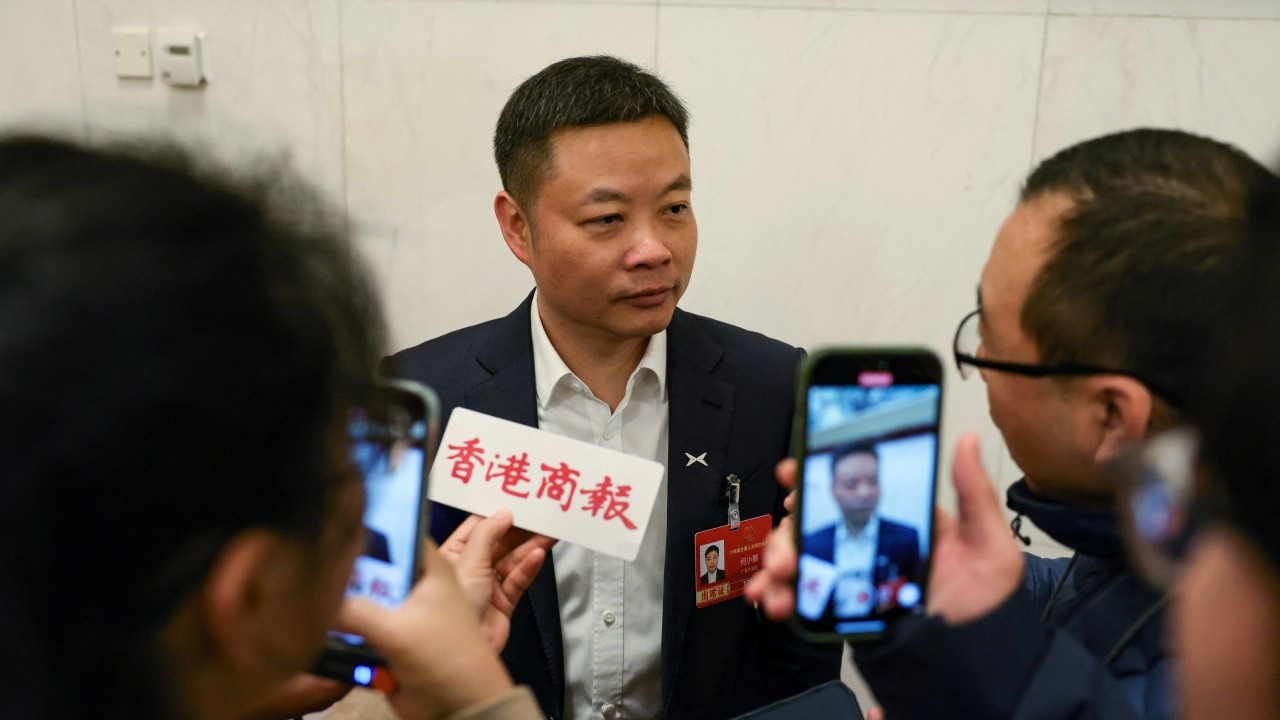
The annual pilgrimage to the "two sessions" in Beijing has become a theater of the absurd for Hong Kong’s elite. Every year, a delegation of tycoons and career bureaucrats returns with a suitcase full of "spirit" and "directives," acting as if a few lines in a work report will magically resuscitate a flagging stock market. They are looking for a rescue package. They should be looking in the mirror.
The consensus is lazy and dangerous: that Hong Kong’s path forward depends on how well it integrates into the Greater Bay Area (GBA) or how many policy "gifts" it can extract from the central government. This is a fundamental misunderstanding of why this city exists. Hong Kong didn't become a global financial titan by being a compliant cog in a regional machine. It succeeded by being the friction-free alternative to the mainland’s rigid structure.
If Hong Kong continues to wait for Beijing to define its "next steps," it will eventually find itself walking off a cliff of irrelevance.
The Integration Trap
The loudest voices in the room are obsessed with "synergy." They want to link our high-speed rail, our digital payment systems, and our talent pools until the border is a mere formality.
I have spent twenty years watching markets react to policy shifts. Markets do not reward sameness; they reward arbitrage. The moment Hong Kong becomes "just another Chinese city," its unique value proposition—the Common Law system, the $HKD$ peg, and the free flow of capital—evaporates.
By obsessing over GBA integration, Hong Kong is voluntarily surrendering its moat. Why would a global hedge fund pay Hong Kong rents if they can get the same regulatory "flavor" in Shenzhen for a third of the price? Integration isn't a strategy; it’s a slow-motion liquidation of our competitive advantage.
The Delusion of High-Tech Manufacturing
The competitor narrative suggests Hong Kong should pivot toward "new quality productive forces," a buzzword-heavy mandate for high-end manufacturing and tech R&D.
This is a hallucination.
- Space Constraints: We are a city of vertical density, not horizontal industrial parks.
- Labor Costs: Our median wage makes assembly or even localized high-tech fabrication economically illiterate.
- The "Singapore Envy": We try to mimic Singapore’s state-led industrial policy without having a state that operates with the same sovereign agility.
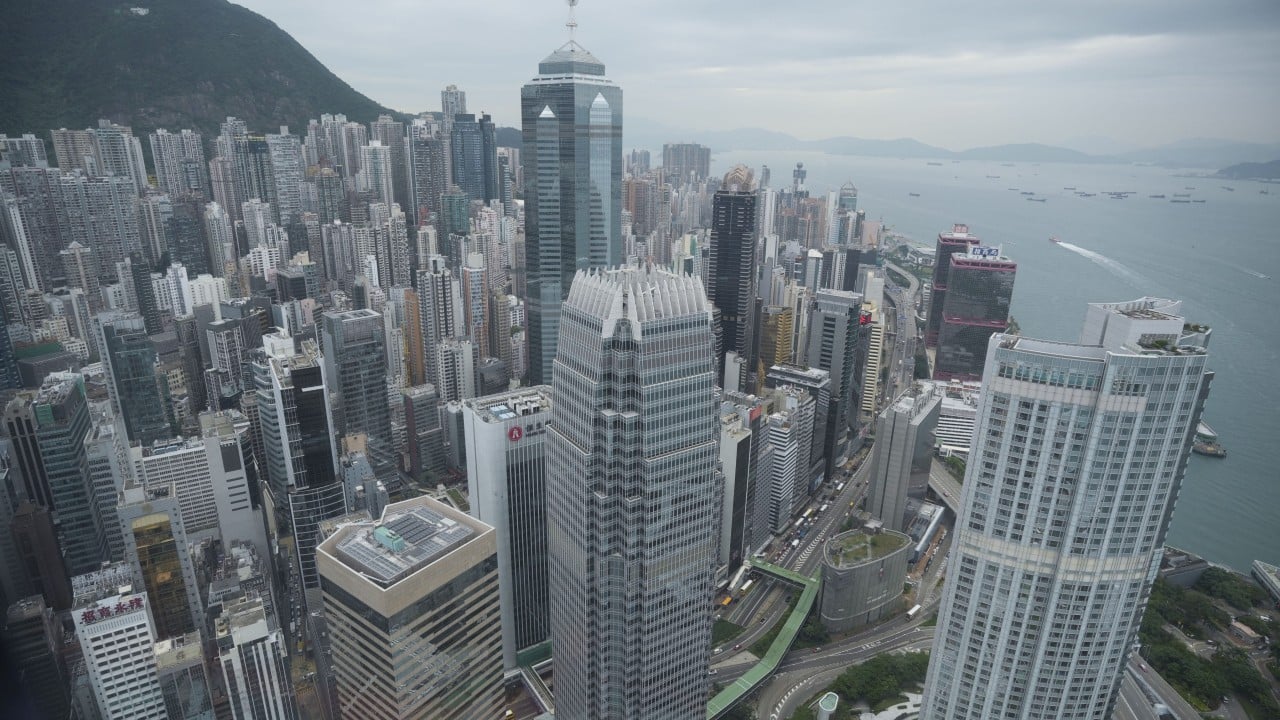
Hong Kong’s DNA is in services, finance, and trade. Attempting to build a silicon valley in the Northern Metropolis is a sunk-cost fallacy in the making. We are chasing a ghost while our core competency—the sophisticated management of global risk—is being poached by Dubai and Singapore.
The Capital Flight Nobody Wants to Name
While the "two sessions" delegates talk about stability, the data tells a story of nervous capital. It isn’t just about political shifts; it’s about the erosion of the "middleman" premium.
In the past, you paid the Hong Kong tax because you needed a gateway to China that operated under Western rules of engagement. Now, the gate is wide open on the mainland side for those who don’t mind the risk, and the Western rules in Hong Kong are looking increasingly thin.
To fix this, we don't need more "patriotic education" or GBA seminars. We need to double down on the very things that make the mainland uncomfortable.
Radical Deregulation is the Only Vaccine
If Hong Kong wants to survive, it must become a laboratory for things Beijing cannot or will not do.
- Crypto and Digital Assets: Don't just "allow" them. Create a tax-free, hyper-regulated environment for the world’s liquidity to settle here. Beijing hates the volatility of crypto; Hong Kong should embrace it as the new frontier of capital flow.
- Family Office Autonomy: Stop asking where the money comes from if it meets global AML standards. The current "wealth management" push is bogged down in bureaucracy. We need a "don't ask, just invest" infrastructure that mirrors the Cayman Islands with the infrastructure of Zurich.
- Abolish Corporate Tax for Startups: If you want a tech hub, stop building office buildings and start eliminating the cost of failure.
The False Promise of "Policy Gifts"
Every year, Hong Kong begs for more mainland tourists or a higher duty-free allowance. This is poverty-mindset thinking. Relying on a "gift" from the central government is a confession of weakness.
When you ask for a gift, you grant the giver the power to take it away.
The most successful periods in Hong Kong’s history were when the colonial administration was too distracted to interfere and Beijing was too closed to participate. Prosperity grew in the gaps. Today, those gaps are being filled with "coordination committees."
Coordination is the enemy of innovation. Every time a Hong Kong official says we are "aligning" our goals with the national 14th Five-Year Plan, a portfolio manager in London closes a tab.
The Talent War is Being Lost on Purpose
People ask: "How do we attract global talent?"
The answer is simple: Give them a reason to be here that isn't just "proximity to China."
Currently, our talent schemes are heavily skewed toward mainland professionals. While these individuals are highly skilled, they do not provide the diversity of capital or the global connectivity that a world-class city requires. We are creating an echo chamber.
If everyone in the room has the same educational background, the same cultural touchstones, and the same boss in Beijing, you don't have a global financial center. You have a regional branch office.
What No One Admits About the Brain Drain
The "battle scars" of the last five years aren't just the empty desks in Mid-Levels; it’s the loss of institutional memory. When a senior compliance officer or a top-tier litigator leaves for Singapore, they take decades of "how things actually work" with them. You cannot replace a 50-year-old partner at a global law firm with two 25-year-old graduates from Tsinghua and expect the same results.
The status quo says: "They will be replaced."
The reality is: "They are being replaced by people who don't understand why the Common Law matters."
The Counter-Intuitive Path Forward
Stop trying to be China’s "best friend." Be China’s most useful, slightly annoying, and completely different outlier.
The central government doesn't actually need another Shanghai. They have a perfectly good one already. They need a place that functions as an "offshore" pressure valve. By trying to please Beijing through imitation, Hong Kong is failing its primary duty to the nation.
The Action Plan for a Disruptive Hong Kong:
- Unpeg from the Consensus: Stop sending delegations to ask for favors. Start sending white papers on how Hong Kong is going to break global records in decentralized finance.
- Re-Internationalize: Shift the marketing budget from mainland provincial tours to New York, London, and Tokyo. If the West thinks Hong Kong is "over," prove them wrong by being more "Western" in business practice than they are.
- Internal Competition: Allow the different districts of Hong Kong to compete on tax and regulation. Let Sham Shui Po be a tech-anarchy zone while Central remains a traditional banking fortress.
The "two sessions" provide a roadmap for China. They should not be the roadmap for Hong Kong. If we follow their trail, we are just a passenger on someone else’s bus. It’s time to get off at the next stop and start driving our own vehicle, even if the destination makes the "integrationists" nervous.
Hong Kong is either a global exception or it is nothing. There is no middle ground.
Stop asking for permission to be great. Just be it.