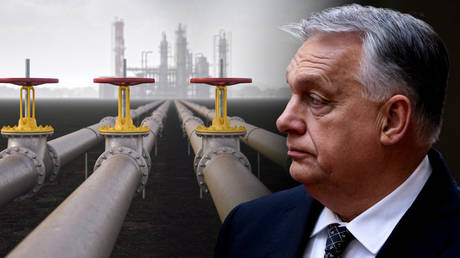
Viktor Orban just threw another wrench into the European energy machine. Hungary is moving to halt gas deliveries to Ukraine, a move that feels less like a technical necessity and more like a high-stakes poker play. If you've been following the shifting alliances in Central Europe, this shouldn't come as a total shock, but the timing is brutal. Ukraine is bracing for a difficult winter, and losing a key transit partner like Hungary complicates an already fragile energy grid.
The reality is that energy has become the ultimate weapon in this conflict. While other EU nations are scrambling to decouple from Russian influence, Budapest is leaning into its existing relationship with Gazprom. Orban argues he's protecting Hungarian households from soaring prices. Critics see it differently. They see a leader using Ukraine’s energy security as leverage to extract concessions from Brussels. It's a messy, complicated situation that goes far beyond simple pipeline mechanics. You might also find this connected article useful: The $2 Billion Pause and the High Stakes of Silence.
The Broken Link in the Pipeline
For years, Ukraine relied on "reverse flow" shipments. This basically means they bought gas from European neighbors that originally came from Russia but was technically sold back to Ukraine from EU soil. Hungary was a vital part of this loop. By cutting this off, Orban isn't just stopping a physical flow of gas; he's cutting a lifeline that kept Kyiv's heating systems running without direct contracts with Moscow.
Don't believe the narrative that this is purely about infrastructure maintenance. Infrastructure doesn't usually "fail" right when political tensions hit a boiling point. The Hungarian government claims their domestic storage needs must come first. Sure, every country wants a full tank before December. But Hungary's storage levels have consistently been among the highest in the region thanks to their long-term deals with Russia. This isn't a shortage problem. It's a policy choice. As extensively documented in recent reports by The Washington Post, the implications are notable.
Why Orban Is Doubling Down on Russia
You have to look at the numbers to see why Budapest plays this game. Hungary gets roughly 80% of its gas and 65% of its oil from Russia. While the rest of the continent is building LNG terminals and solar farms, Hungary signed a 15-year deal with Gazprom in 2021. They’ve tied their shoes to the Kremlin’s porch, and they don't seem interested in untying them.
Orban's "Peace Mission" or whatever he calls his frequent trips to Moscow and Mar-a-Lago paints a clear picture. He wants to be the mediator. By halting gas to Ukraine, he signals to Putin that Hungary remains a "reliable" partner while showing the EU that he can disrupt their unified front whenever he feels squeezed. It's frustrating for Kyiv, but for Orban, it’s a survival strategy. He bets that being the odd man out in the EU will eventually pay off when the dust settles.
The Impact on Ukraine’s Winter Survival
Ukraine isn't defenseless, but they're hurting. Their energy infrastructure has been hammered by constant strikes. Losing the Hungarian route means they have to rely more heavily on Slovakia and Poland. That’s doable, but it’s more expensive. Higher costs for gas mean less money for the front lines and more pressure on a civilian population that’s already exhausted.
- Storage capacity in Ukraine is actually massive, but it's under-utilized because traders are scared of the risks.
- Slovakian transit remains the primary artery now, but it's a bottleneck if anything goes wrong.
- Domestic production in Ukraine is surprisingly resilient, yet it can't cover the peak demand of a freezing January.
Basically, Orban is forcing Ukraine to pay a "hassle tax." He's making it harder and more expensive for them to stay warm, hoping that the cumulative pressure will force a ceasefire on terms that favor his allies. It's a cold calculation.
Brussels Is Losing Its Patience
The European Commission isn't sitting idly by. There’s been talk of stripping Hungary’s voting rights or freezing even more funds. But here’s the kicker: the EU needs unanimity for the biggest moves, and Orban often finds a friend in Slovakia’s Robert Fico to block the harshest penalties.
Energy solidarity is a founding principle of the modern EU, yet Hungary’s actions suggest that "solidarity" is a flexible term. When Budapest halts gas to a candidate member like Ukraine, they're essentially telling the Commission that national interests—or at least the interests of the current ruling party—trump the collective security of the bloc. It creates a dangerous precedent. If one country can opt out of the energy defense line, the whole line is compromised.
What This Means for Your Energy Bills
You might think a spat between Budapest and Kyiv won't affect you, but the energy market is a giant, interconnected web. Any time a major transit route is threatened, speculators get nervous. Nervous speculators drive prices up. Even if you live in London, Berlin, or Paris, the instability caused by Hungary’s pivot can lead to spikes in the global gas price.
We’re seeing a shift from a globalized energy market to a fragmented one. In this new world, geography is destiny again. Countries that sit on the pipes, like Hungary, have an outsized influence on the neighbors who don't.
Actionable Steps for the Energy Crisis
If you're worried about how these geopolitical shifts will hit your wallet or your business, you can't just wait for the politicians to fix it. They won't.
- Audit your exposure. If you run a business, check your energy contracts now. Fixed rates are becoming a relic of the past, but some providers still offer hedges against winter volatility.
- Support decentralization. The reason Hungary has this power is because the grid is centralized and dependent on massive pipelines. Moving toward local solar or heat pump systems isn't just "green"—it's a move for national and personal security.
- Watch the Slovakian border. Keep an eye on gas flow data through the Velke Kapusany entry point. That’s the new "canary in the coal mine." If flows drop there after the Hungarian halt, we're in for a very expensive year.
Orban’s move is a reminder that pipes are political. Ukraine will likely find a workaround, but the trust between Budapest and the rest of Europe is at an all-time low. This isn't just about gas. It's about who gets to decide the future of the continent's borders and its thermostat. Stay informed, diversify your energy sources, and don't expect a quick resolution to this pipeline drama.