The regional friction in South Asia just hit another boiling point, and it's not just about what's happening on the ground. When Pakistan launched its recent intelligence-based operations inside Afghanistan, it wasn't just a military move; it was a loud signal to the Taliban regime in Kabul. But when New Delhi stepped in with a critique, Islamabad didn't hold back. The Foreign Office (FO) effectively told India to stay in its lane, calling their comments "absurd and unwarranted."
If you're following the headlines, you might think this is just the usual back-and-forth. It's not. We’re looking at a massive shift in how Pakistan handles its western border. For years, there was a sense of "strategic depth" regarding Afghanistan. That’s gone. Now, it’s about survival and stopping the Tehreek-e-Taliban Pakistan (TTP) from using Afghan soil as a launchpad. When India weighs in on these strikes, Pakistan sees it as an attempt to protect a proxy rather than a genuine concern for sovereignty.
The core of the dispute over cross border actions
India's Ministry of External Affairs (MEA) recently criticized Pakistan's military actions, citing concerns over "civilian casualties" and "territorial integrity." On the surface, that sounds like standard diplomatic concern. However, the Pakistani FO pointed out a glaring double standard. They argued that India has no business lecturing others on territorial integrity while its own record in the region remains a point of intense contention.
Honestly, the timing of India's statement felt like a strategic poke. Pakistan is currently dealing with a surge in terror attacks—specifically the recent suicide bombings in Islamabad, Bajaur, and Bannu. These weren't random acts. Islamabad claims it has "conclusive evidence" that these attacks were orchestrated by handlers sitting safely in Afghanistan.
The "absurdity" Pakistan is talking about stems from the fact that India remains silent when Pakistani civilians are targeted by groups operating from Afghan hideouts. But the moment Pakistan retaliates against those specific militant nodes, New Delhi finds its voice. It’s a classic case of "the enemy of my enemy is my friend," and Pakistan isn't buying the humanitarian angle.
Why the TTP is the red line for Islamabad
You've got to understand the gravity of the TTP threat to see why Pakistan is willing to risk "open war" with the Taliban. Since the Afghan Taliban took over in 2021, TTP attacks in Pakistan have jumped by over 60%. We aren't talking about small skirmishes. We're talking about sophisticated, coordinated strikes on military posts and urban centers.
- The Buffer is Gone: Pakistan expected the Afghan Taliban to keep their word on the Doha Agreement—specifically, not letting their soil be used for terrorism. Instead, the TTP seems to have more freedom than ever.
- Modern Weaponry: There’s a lot of chatter about high-end gear left behind by withdrawing forces now ending up in TTP hands. This makes them a much more lethal threat than they were a decade ago.
- The "Indian Hand" Allegation: This is where it gets messy. Islamabad has frequently accused India of funding and supporting the TTP and Baloch separatist groups through "consulates" and covert networks in Afghanistan. While New Delhi denies this, the perception in Islamabad is that India is using the Taliban’s rise to squeeze Pakistan from both sides.
India and the Taliban are getting surprisingly close
If you haven't been paying attention, the relationship between New Delhi and the Taliban is actually warming up. This is a huge shift from the 1990s when India supported the Northern Alliance against them. Today, India has a "technical team" in Kabul and is providing humanitarian aid and infrastructure support.
Why does this matter? Because Pakistan sees this rapprochement as a direct threat. If the Taliban feels they have a reliable partner in India, they’re less likely to listen to Pakistan’s demands to rein in the TTP. India’s statement on the border strikes wasn't just about Afghanistan; it was a message to the Taliban that "we have your back."
From an SEO and strategy perspective, the "hidden story" here is the battle for influence in a post-US Afghanistan. Pakistan used to be the primary player. Now, they're the one conducting airstrikes while India is the one sending wheat and building hospitals. It’s a total reversal of the roles we saw twenty years ago.
The reality of the military strikes
Let’s look at the facts of the operations that sparked this latest row. The strikes targeted the "Fitna al-Khawarij" (the term Pakistan now officially uses for the TTP) in the Paktika and Khost provinces.
- Targeting: Pakistan insists these were precision strikes on militant hideouts.
- Casualties: Kabul claimed civilians were killed. Islamabad countered that the targets were militants responsible for the deaths of Pakistani soldiers.
- Escalation: Following these strikes, the Afghan Taliban responded with heavy artillery fire on Pakistani border posts in Kurram and North Waziristan.
This isn't just a "border skirmish" anymore. When the Pakistani Defense Minister Khawaja Asif mentions "open war," he’s acknowledging that the old era of brotherly relations with the Afghan Taliban is dead. The gloves are off.
What this means for regional stability in 2026
The world is distracted by the Middle East and Ukraine, but the Af-Pak border is a tinderbox. If Pakistan continues its strikes and India continues to embolden Kabul's stance, we could see a broader regional conflict.
Pakistan's message to the international community is clear: don't tell us how to defend our borders if you aren't willing to stop the terrorists crossing them. They view India's commentary as an attempt to "internationalize" a bilateral security issue to score points.
Honestly, the smartest move for the Taliban would be to realize that a stable Pakistan is in their interest. But with India whispering in their ear and the TTP providing them with ideological muscle, they’re playing a dangerous game of chicken with a nuclear-armed neighbor.
What to watch for next
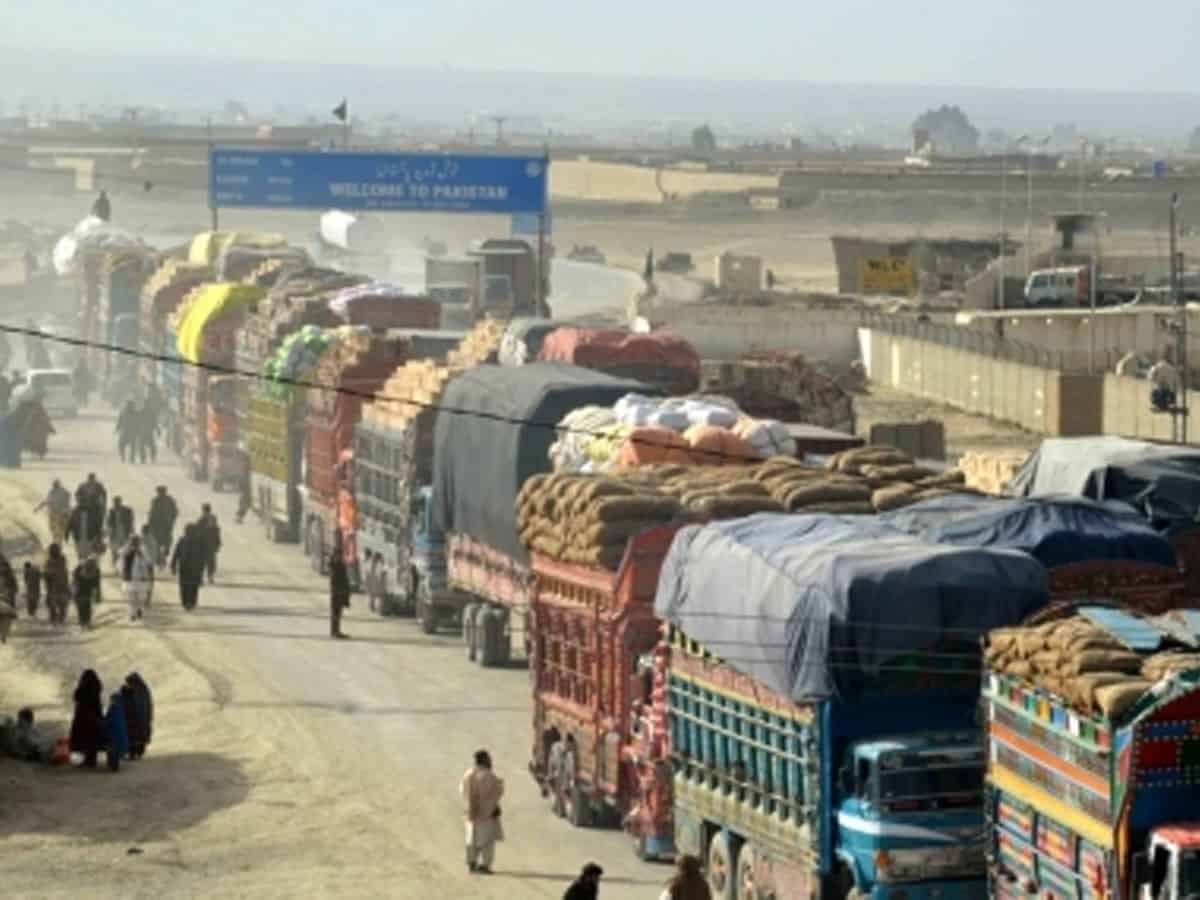
If you're tracking this, keep your eyes on the border crossings. When the Torkham or Chaman borders close, it's a sign that diplomacy has completely failed. Pakistan has already started repatriating undocumented Afghans as a form of "soft" pressure. If that doesn't work, expect the airstrikes to become more frequent and move deeper into Afghan territory.
You should also watch the "India-Afghanistan" trade route via Iran's Chabahar port. As Pakistan tightens the screws on overland trade, this maritime route becomes Kabul’s lifeline, further cementing the New Delhi-Kabul axis. The FO’s rejection of India’s statement isn't just a press release—it’s a declaration that the old rules of engagement are gone for good.